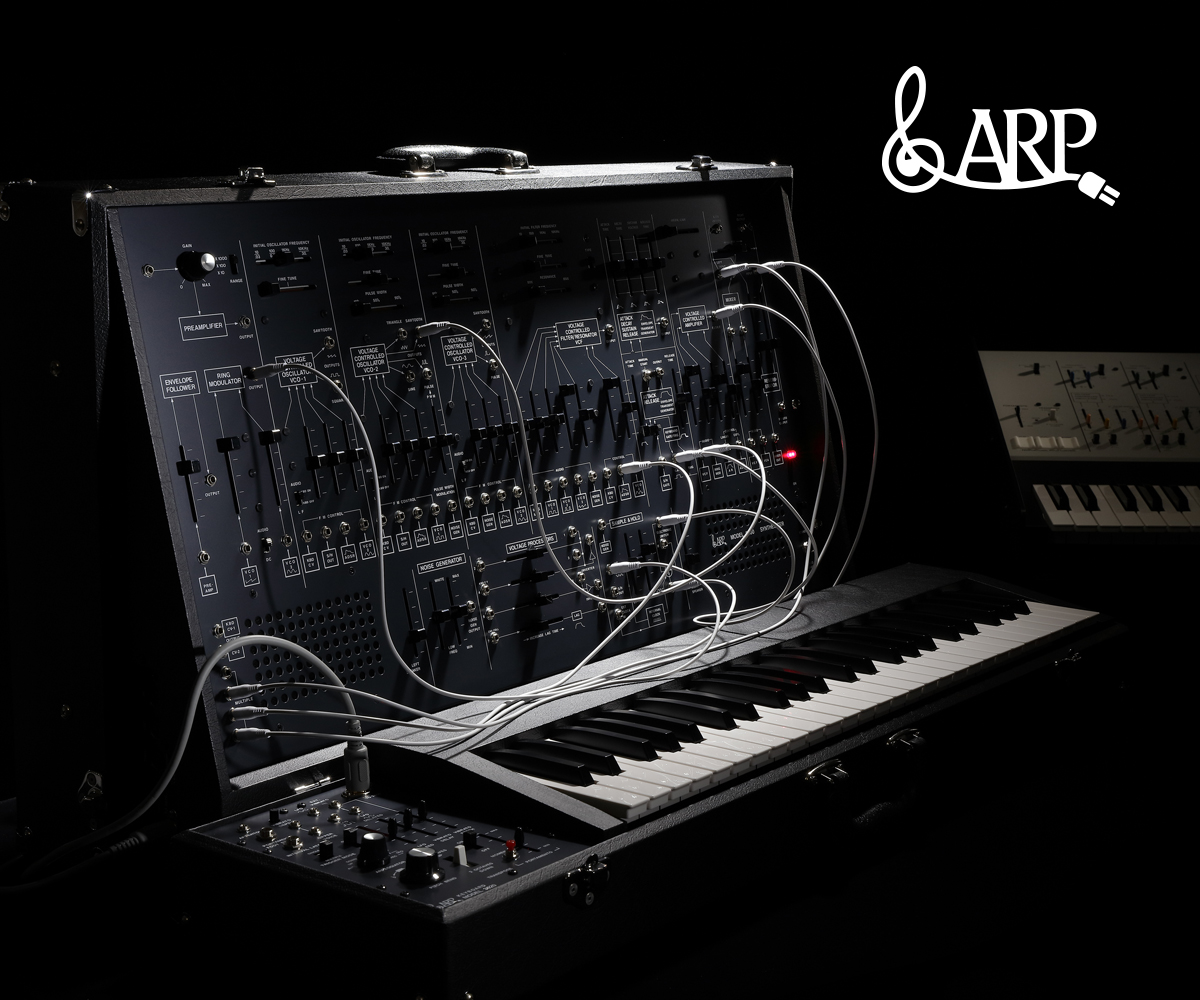
The Arp 2600, a hardware synth that was built between 1971 and 1980, quickly became one of the most revered and highly sought-after synths of the era. In fact, it was so popular and influential during that time period that its sounds are still sought after by many producers; both in affordable emulations of the synth and pricey original models.
The Arp 2600’s complex routing process and limitless patching options made it ideal for building sounds completely from the ground up. There were so saving presets on this beast, which many hardware synths can do these days. And while starting from scratch was commonplace in all hardware back in the 70s and 80s, diving through presets and doing minimal sound design is more common than ever in the production community.
So if you’re looking to ditch preset diving and start making more of your sounds from scratch, but don’t have many thousands of dollars to afford an original Arp 2600, here are our five favorite alternatives that will feel right at home in your studio.
Behringer 2600
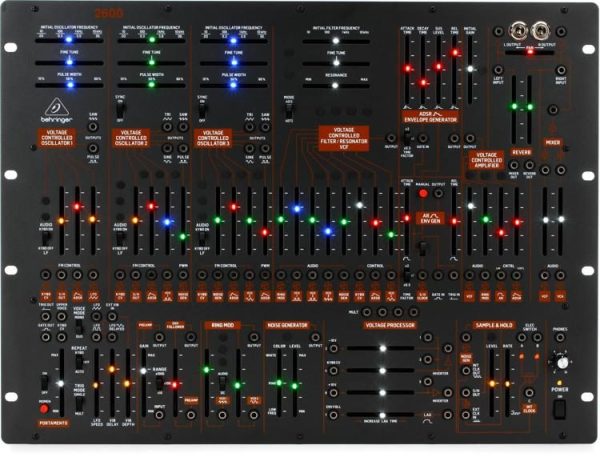
The Behringer’s emulation of the 2600 is the easiest recommendation I can think of for this list. Behringer’s clone of the iconic modular synth is teeming with that old-school analog flavor and is not meant for preset hunters. Leaning heavily on signal path and patching, the Behringer 2600 aims to create each and all of its sounds from the ground up with amazing results.
How I Use The Behringer 2600
The Behringer 2600 is an amazing synth for capturing the classic sounds 70s and 80s, which means recapturing the sonic palettes of old-school synth leads and arpeggiators in this synth’s breath and butter. This synth can be heard across many of my more recent records, usually providing the rhythmic arpeggiator sequences that create the ear candy and supporting elements in my records.
But that’s not all…
I’ve always seen the Behringer 2600 as the gateway to modular setups and offers a streamlined way to learn patching and signal routing. If you are looking to get into modular synthesis and want to break the habit of only relying on presets to achieve your signature sound, this synth is an easy recommendation.
Learn More About The Behringer 2600 While Supporting Our Small Team Of Writers Through Our Partnership With Sweetwater Here
Moog Mother-32
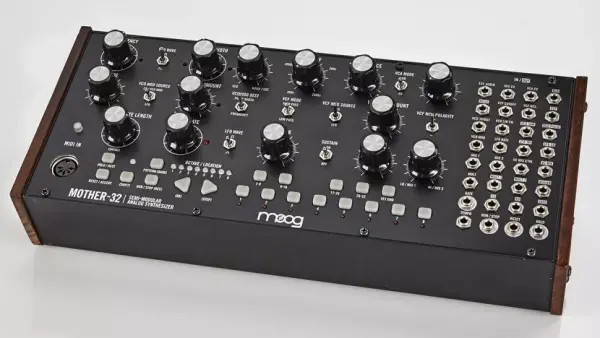
With just one oscillator and an extensive patch bay, the Moog Mother-32 offers some of the most complex routing and sound design functionality I have seen in a desktop (or eurorack-compatible) synth. Where this little budget-friendly Moog shines over even the original Arp 2600 is its heightened ability to play better with more common modular units, allowing this to be a more impactful piece of a larger puzzle instead of just a great synth in its own right.
How I Use The Moog Mother-32
When I first used the Arp 2600, I wasn’t familiar enough with it to do anymore more than a single-note sequence from which I just made interesting modular sequences from the single note to add a bit of rhythm to the track I was working on. Recreating these similar one-note modular-like sequences with the Moog Mother-32 has become an essential part of my own workflow.
Sure, the Arp 2600 will have a ton more patachability, but both synths can achieve the same level of sequences and modulation (and the Moog comes at a fraction of the price). Sure, it takes some getting used to and familiarizing yourself with the ecosystem of the synth. But that is exactly what most people looking to ditch presets and build sounds from the ground up are all about.
Learn More About The Moog Mother-32 While Supporting Our Small Team Of Writers Through Our Partnership With Sweetwater Here
Korg MS-20
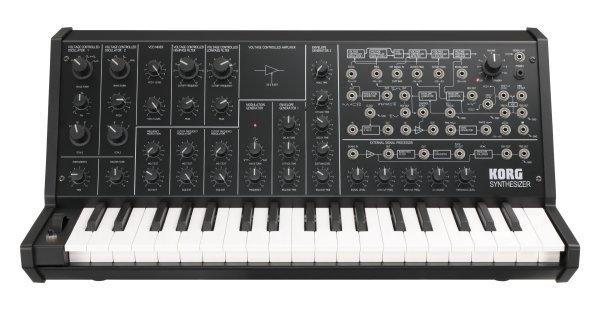
The Korg MS-20 is a powerhouse synth that packs a ton of functionality and incredibly unique hardware into a smaller full-sized synth. What makes this synth specifically so powerful is its filters and resonance on those filters. The seemingly complex patch bay allows you to make almost any monophonic sound that you’d like, which is a key component of this synth as well.
The unique filter sweeping resonance, which is this synth’s strongest asset, might not be for everything. But it can be an incredibly powerful tool for making FX, leads, and bass patches from the ground up.
How I Use The Korg MS-20
When I first used the 2600, the complex patch bay made it the perfect synth for creating unique FX for my tracks, as this makes the 2600 incredibly easy to get lost in the sound design process.
And the Korg MS-20 is the same way.
This beefy synth is not meant for presets, and the best results you can get from it actually come from diving deep into the patch bay while building the sounds from the ground up; leading to interesting and unique patches every time you dive into the synth.
Learn More About The Korg MS-20 While Supporting Our Small Team Of Writers Through Our Partnership With Sweetwater Here
Arturia MiniBrute 2
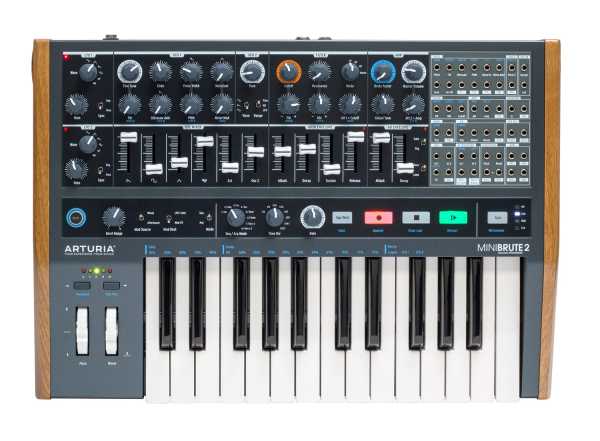
While the MiniBrute’s aesthetic and playability may vary wildly from the Arp 2600, after using it heavily in the studio for about a year, I would argue that the tonality and sound of this synth aren’t that far off from the Arp 2600.
It also brings a level of versatility that rivals that of the Arp 2600. That is to say; this synth can do almost anything (once you figure out how it works). Whether you want to create ripping leads, authentic woodwind sounds, or gritty bass lines, this synth can see it done.
HOW I USE THE MINIBRUTE
I often used this synth as a workhorse piece of hardware. Its semi-modular nature made it great for experimentation, which made me reach for this synth first and foremost when I had an empty canvas or project. Often it would morph into a completely new and inspiring instrument that I would use to kickstart an entire project.
Few synths can carry a song and be as versatile as the MiniBrute (save for the Minimoog, of course), which is why this is an easy recommendation for producers of any level.
Learn More About The Mini Brute 2 While Supporting Our Small Team Of Writers Through Our Partnership With Sweetwater Here
ARP 2600 M

This is probably the easiest recommendation on this list, as this Arp 2600 clone is made by Korg. This time around, the Arp 2600m features a more compact build, saving valuable space on your desk and studio space.
Revamped for the modern age as well, the Arp 2600m comes packed with features such as silky-smooth sliders, improved attack and release time ratios, and plug-and-play USB/MIDI connectivity. It’s pricey, which is why it’s lower on this list, as I can imagine you’re here for more budget-friendly synths, but if you have the $2k to fork out for a new studio toy then this synth is an easy recommendation.
Learn More About The ARP 2600 M While Supporting Our Small Team Of Writers Through Our Partnership With Sweetwater Here

Will Vance is a professional music producer who has been involved in the industry for the better part of a decade and has been the managing editor at Magnetic Magazine since mid-2022. In that time period, he has published thousands of articles on music production, industry think pieces and educational articles about the music industry. Over the last decade as a professional music producer, Will Vance has also ran multiple successful and highly respected record labels in the industry, including Where The Heart Is Records as well as having launched a new label with a focus on community through Magnetic Magazine. When not running these labels or producing his own music, Vance is likely writing for other top industry sites like Waves or the Hyperbits Masterclass or working on his upcoming book on mindfulness in music production. On the rare chance he's not thinking about music production, he's probably running a game of Dungeons and Dragons with his friends which he has been the dungeon master for for many years.