Remakes of fan-favorite video games have been steadily increasing in popularity over the years, and with releases like Dead Space(2023) and Demon’s Souls(2020), it’s easy to see why. Technological methods of development and artistic standards have evolved over the years, and many classic titles have been reworked with today’s advanced tools to add to the fullness of the original intended experience.
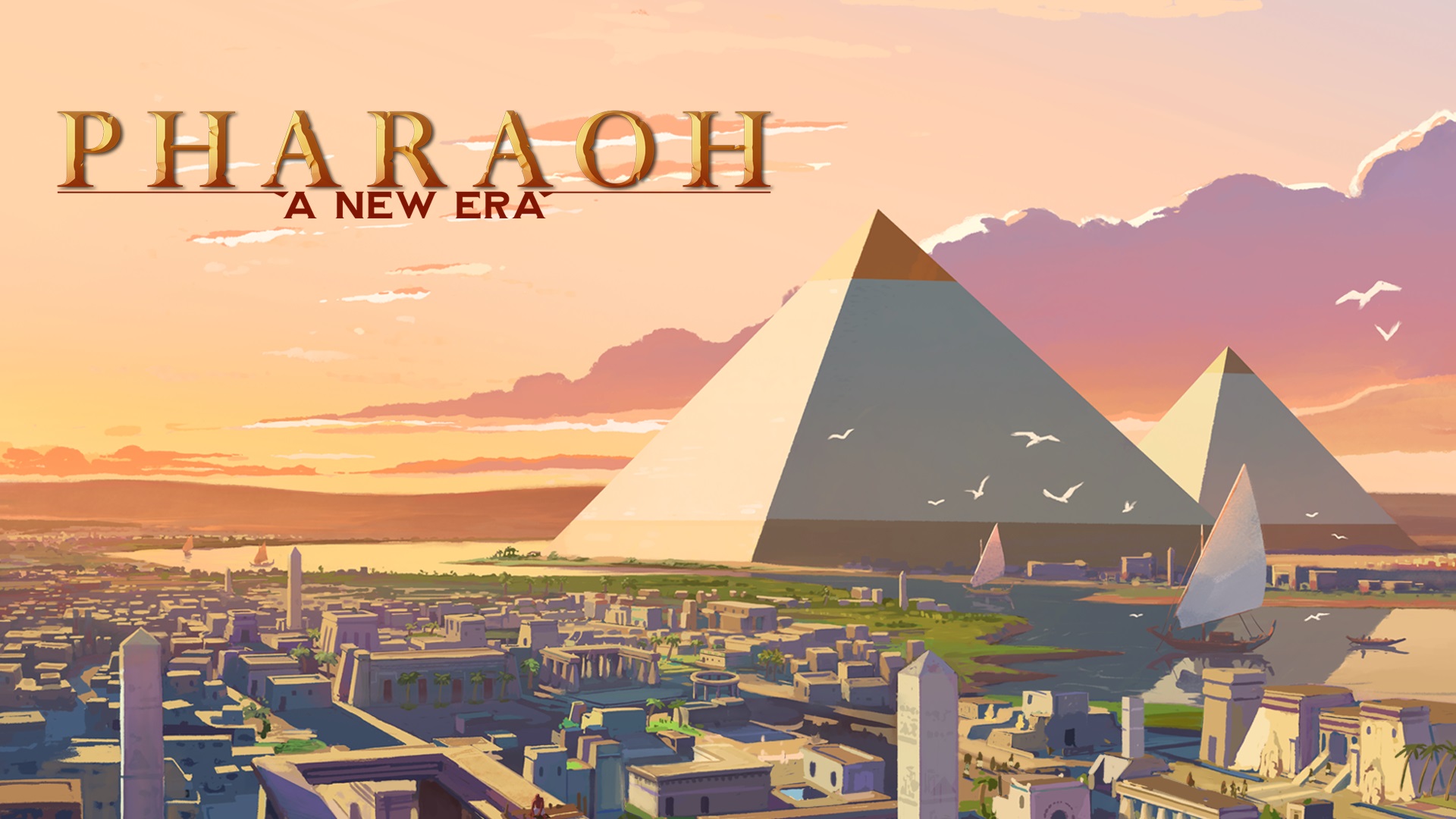
The development studio Triskell Interactive has partnered with DotEmu, a publisher known for retro remakes, to combine forces and craft a remake of the classic retro city-building game Pharaoh(1999). Triskell Interactive’s previous work on their game Lethis: Path of Progress and its sequel show they have experience in the city-building genre, making their partnership with DotEmu a natural decision.
In Pharaoh: A New Era, Triskell Interactive has paid its dues to Egyptian culture and history by representing it as accurately as it could. In our conversation, director Théophile Noiré discussed some challenges in determining what it even means to stay true to a culture we still don’t fully understand and some of the lengths his team went to do so. A whole world of work goes on behind the scenes, sometimes even for features that don’t end up garnering much attention from the audience upon playing the game. Read on to hear more insights into the development of Pharaoh: A New Era!
What are some of the most prominent differences between the remake and the original Pharaoh game regarding historical accuracy?
The biggest thing we wanted was to make sure that the hieroglyphs on each building made sense. So, an example of the questions we’d ask ourselves would be: “What kind of hieroglyphs would be on the wall of a mortuary, if any?”

How did your team determine your standards for historical accuracy in the development of Pharaoh: A New Era?
Our approach was that Pharaoh: A New Era should succeed as a game first, meaning that we were not going to shift gameplay for the sake of historical accuracy completely – but at the same time, we don’t want to perpetuate false information.
It is evident though, that additional expertise would help with this challenge, so we worked with an actual Egyptologist to create Pharaoh: A New Era. We know that the original game was documented with and informed by books, but having access to an actual human with evolving knowledge of the region’s history seemed like the best next step.
How did your team’s strong commitment to historical accuracy in Pharaoh: A New Era strengthen the quality of the game?
We believe it’s essential to show respect to the material – In this case, the work of thousands of scholars worldwide and, more importantly, Egyptian culture. It’s challenging to do everything perfectly, but we think players will be able to tell that this remake was created with care and deep respect for the series. Most of our efforts may be invisible to most people, but we’re pretty happy it’s there.
How did your team research the historical material for Pharaoh: A New Era?
The material already existed in the original game, so we updated that rather than starting again with a blank page. Once again, we saw the benefit of directly consulting with an expert rather than trying to achieve this independently. We also closely worked with a certified Egyptologist named Brianna Jackson to ensure the game’s depiction of ancient Egypt is as authentic as possible.
Were there any surprising or unexpected lengths that your team went to in order to maintain historical accuracy?
What’s still surprising is the number of things we don’t know for certain about that period. You can guess based on the facts available, but there are scenarios where you have to say “I don’t know the definitive answer,” even if you can reject some hypotheses. So there is room for interpretation there – but we balanced a double legacy because the original game made choices that we ultimately decided to keep. Some aspects from these choices aren’t technically accurate, but in these difficult decisions, we were always going to be “game first” with our vision for this remake.
Did your team encounter any exciting or unexpected challenges while recording Pharaoh: A New Era’s soundtrack with regionally authentic musical instruments?
Research provides a vague idea of music in ancient Egypt, but we do know which other musical cultures it influenced, so we drew inspiration from those spaces. Our composer Louis Godart did a lot of research and picked the perfect musicians for the job.
Were there any unexpected ways your team’s commitment to historical accuracy affected the development of Pharaoh: A New Era?
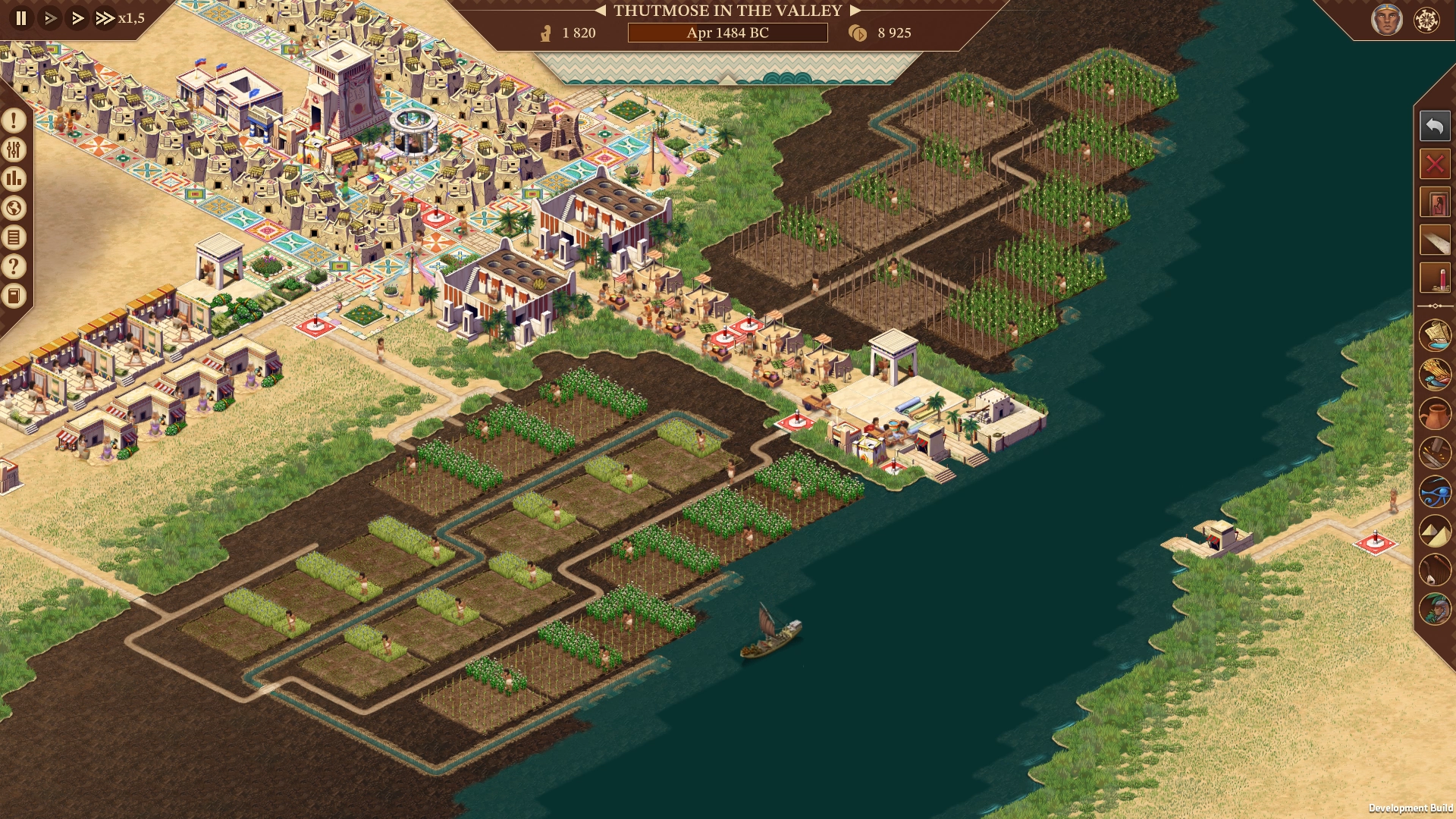
While working on the hieroglyphs, Brianna, the Egyptologist, pointed out to us that the palace building was a temple, and that a true-to-life palace didn’t look like that at all. Evidently, the temples in the game are not real temples. This is one of the instances where we decided to enhance what the original team envisioned instead of fully redesigning temples based on history. This was not an easy choice, but it goes back to our devotion to the original game’s legacy.
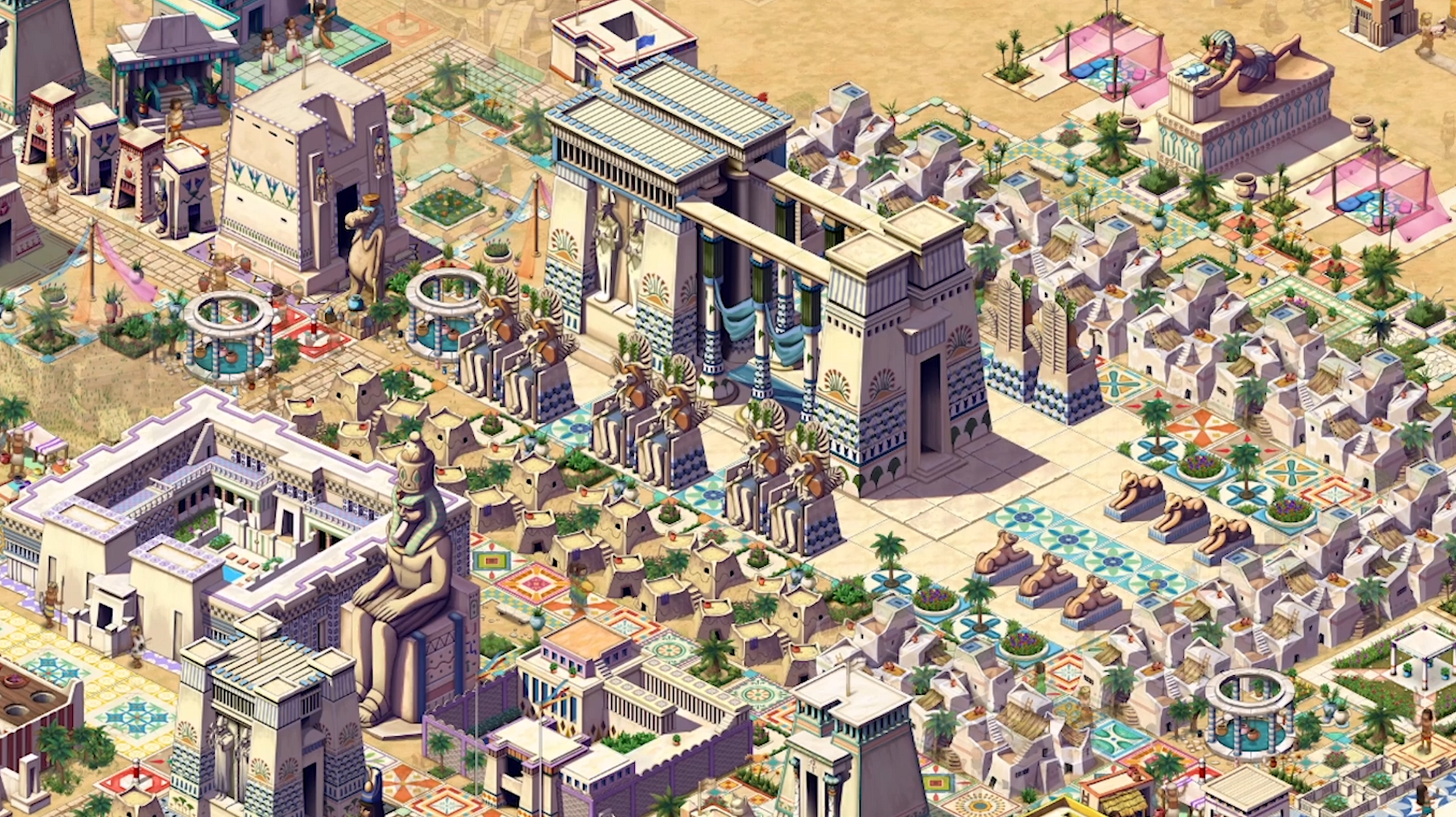
Pharaoh: A New Era is available now on Steam and Good Old Games. Give it a try if you’re a fan of the genre!