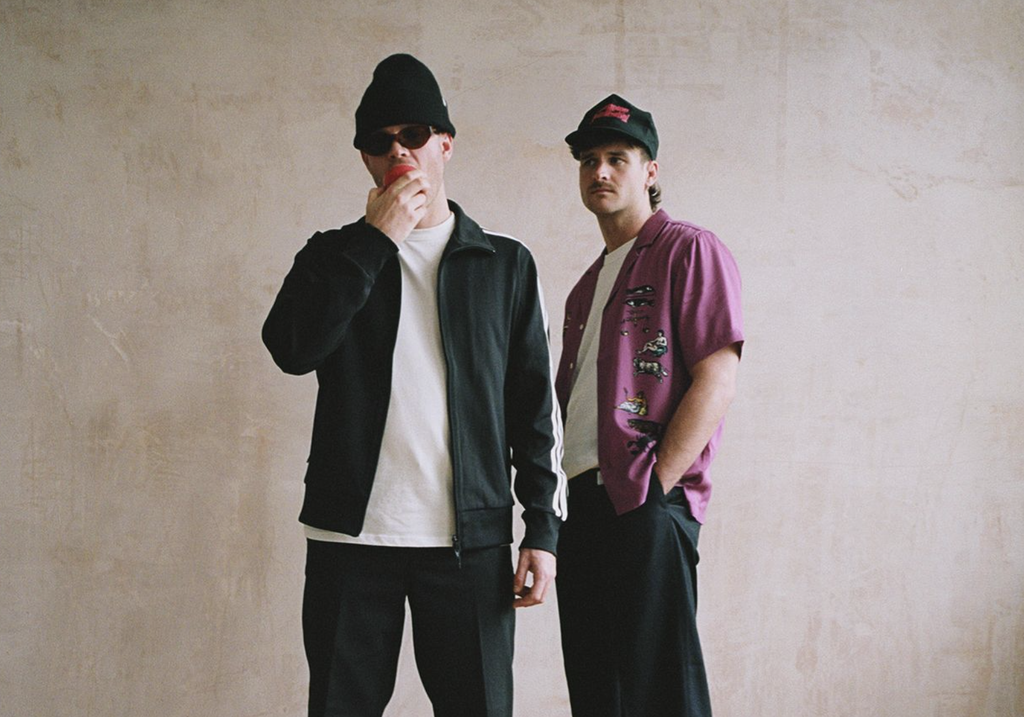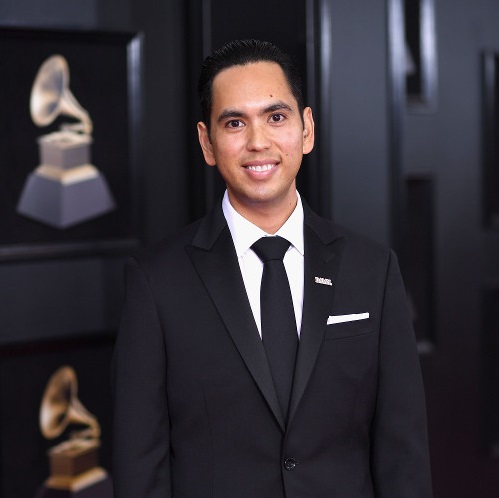
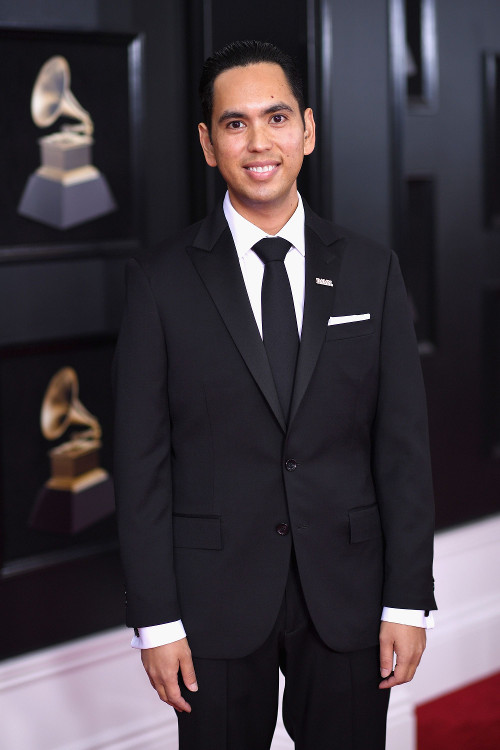
Los Angeles based producer Jason Baum has received a slate of honors for the production work he’s done in the fields of film and television, and for good reason. Jason has made a life out of working to bring the visions and dreams of the artists he works with into the realm of reality. His talent lies in his ability to understand an artist’s vision, and to identify the skills and resources needed to form that vision into something that can be shared with the world.
To Jason, an important part of the work he does as a producer involves being able to share with an audience the experience of stepping into the shoes of another person. Being able to understand and authentically represent the wide variety of artistic ideas and experiences he’s tasked with bringing to life through the medium of art is no small feat, and it’s a process Jason has worked hard on. He’s worked with a diverse range of artists, including musicians Kendrick Lamar, Sia and Arcade Fire, and directors Spike Jonze, Ava DuVernay, and Hiro Murai.
Hearing Jason speak about his work and what drives him was interesting, and offered a perspective into a process many people only see the end result of. Whether you’re an aspiring producer yourself, or haven’t ever heard of Jason or the kind of work he does, you’ll learn something new from what he has to say on his process.
What are some of the most prominent joys of sharing an artist’s vision with the world?
I like working with artists who really have something to say and a unique worldview. The beauty of art is it allows you to feel something outside your own lived experience. So, the joy of producing is really about being a part of that exchange between an artist and their audience.
How do you know when you and an artist have landed on the right concept for bringing the artist’s vision to life?
I don’t think you ever know what the right concept is. The best ideas are risky and you don’t know if it’s going to work. That unknown is exciting and I’d like to think if it feels right to you, then it will translate for others.
How much has your personal work process been influenced by the artists you collaborate with?
I’m always fascinated by how any artist works because everyone is so different. I nerd out on the different apps and disciplines that people use to organize their mind and create. However, I think the artists that always impresses me the most are the ones that are very normal. They are kind to others, listen to people’s opinions, respect the craft that people bring to a conversation, and care about the people working for them. It’s such a simple philosophy, but not all artists are like that so I try to lead by that example.
Do you ever have to tone down an artist’s vision to fit the reality of what you and your production team can provide? If so, how do you decide what to change?
I think there have been very few times where an artist has said they have had enough time and money to do what they wanted. The act of creation is always tempered by those realities. The unfortunate thing is film and video production is inherently expensive because it rarely can be done with under five people. And until you get into very large budgets, there is also rarely one thing that you can cut that will solve your monetary problems. All costs are usually spread throughout which makes it frustrating for someone trying to make creative sacrifices. So, peeling back an idea forces one to ask themselves– what is the core of your idea and how can it be expressed in a more simple AKA a cheaper or easier way?
As you’ve begun to move from producing shorter format projects like music videos, to longer features like the Beastie Boys Story or The Seven Faces of Jane, has anything about your process changed?
The process is pretty much the same. The commitment and timeline is just longer with features. Whereas I can maybe complete a music video from start to finish in a month, a feature takes at least a year so it becomes about stamina of the mind to complete it.
As you’ve expanded the range of content you produce, has your view of your role as the bridge between the artist and the production company changed at all?
It’s always fundamentally the same. A producer is the connector between the director, their production company, the artist, and their label. You want everyone to walk away from the experience happy. So, it starts with at least the director and artist feeling confident in the final product, but ultimately with the production company and label having a return on their investment.
If you had to choose, could you highlight a favorite part of what you do as a producer to share with our readers?
My favorite part is always the release of a project and having it be out in the world. But, there is always a joy when you’re on set and there’s a feeling you can’t exactly quantify – like something working in front of you on the monitor. Production is grueling work so successes like that make it all worthwhile.
It was a privilege to speak with Jason Baum about what it means to produce. Check out the music video to Kendrick Lamar’s Count Me Out for a recent example of his work.