All producers are obsessive audio enthusiasts, but not all obsessive audio enthusiasts are music producers. But suppose both audio engineers and audiophiles focus solely on the fidelity and accuracy of the noise from their listening environment. In that case, you’d think audiophile speakers and studio monitors would be the same thing… right?

Well, you’re not too far from the truth, at least from the perspective of our friends at Amphion, a world-renown manufacturer of high-end studio monitors and listening systems. But it’s still a common enough myth that when Amphion told us this simple fact, we had to dive deeper into the topic of “Audiophile Vs. Studio Monitors.” So we invited Anssi from Amphion for a quick chat to clear for the music production community and the audiophile industry.
Learn More About Their Collection Of Speakers While Supporting Our Team Of Writers Through Our Partnership With Sweetwater Here
How would you describe the difference between Audiophile speakers and studio monitors to somebody just getting into music production?
It’s a question of seeing the honest picture in a manner that is pleasant to work with. I don’t think there is a real rigid line between home and studio sound as there used to be. We don’t see a significant difference between the two. We feel that both studio monitors and home loudspeakers should open a large clear window and create an emotional connection between you and your music. Speakers especially are highly personal, so the decision should always occur after hearing or preferably working with a speaker in one´s room. While you can use whatever works for you, we believe that all monitors are not created equal.
Some have qualities that will boost your confidence and allow you to focus on the essentials and therefore help you achieve the wanted results more accessible and quicker with less guesswork.
Especially for mixing/mastering, using a monitor that is as revealing and transparent as possible tends to be beneficial, leading to time savings and better results. Many audiophile products tend to beautify things and are not, therefore, best suited for spotting mistakes.
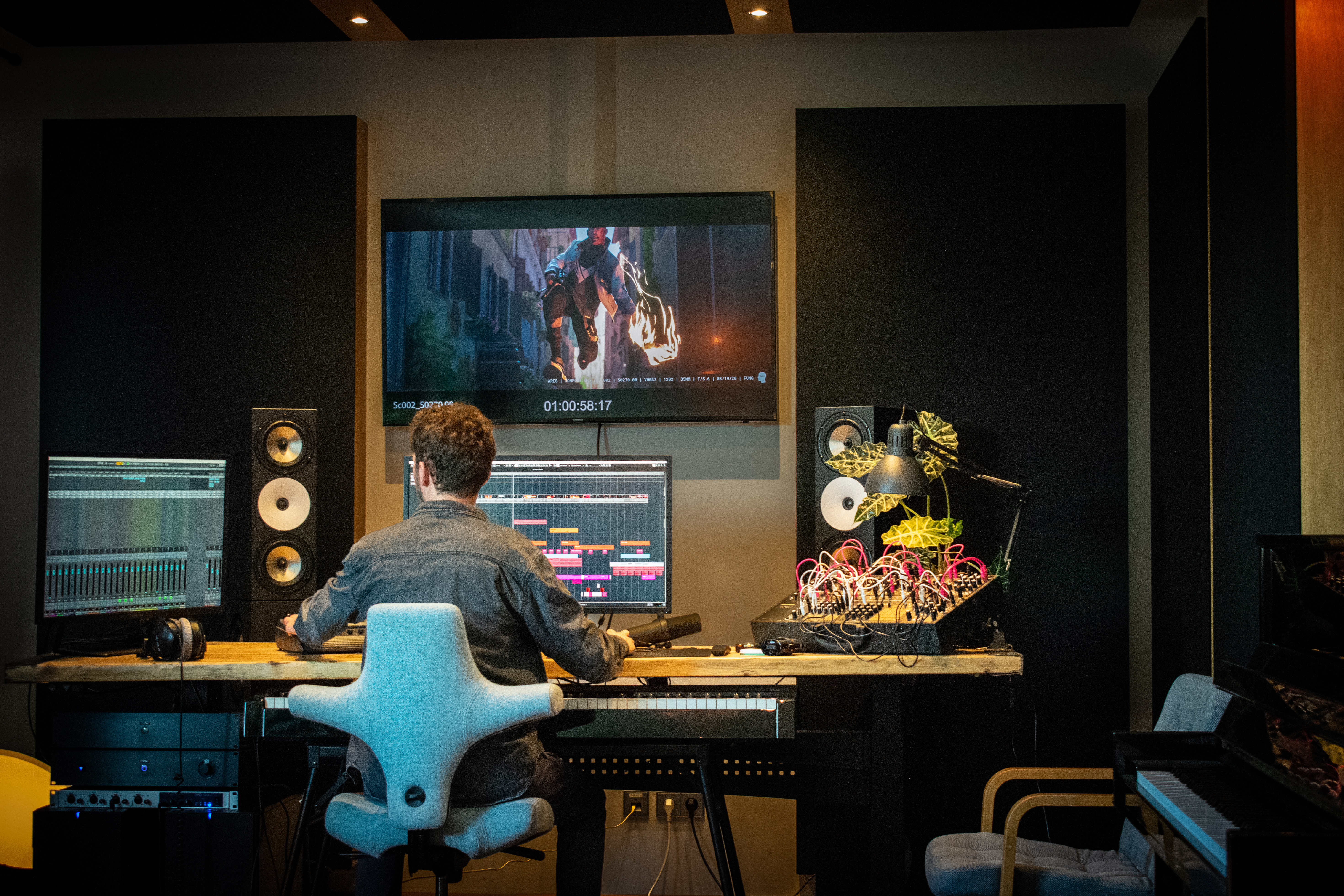
Can you use Audiophile speakers in a music studio to get pro-quality mixdowns?
You can, and some do. But use a Hi-Fi speaker, which is relatively neutral in terms of balance. Other than the balance, there are a few things to focus on. When comparing listening environments at home and studio, the most significant difference tends to be the listening distance.
On average, audiophile speakers are optimized for longer listening distances. In a typical nearfield music-making placement, you must ensure the drivers also integrate on short listening distance. To ensure driver integration, ensure the speakers are made with a low tweeter crossover point or co-axial drivers.
Using a speaker with controlled dispersion and even off-axis responses leads to better results, even in untreated rooms. DSP room correction software can be used for finetuning, but we strongly recommend doing everything possible acoustically first. The big advantage for the top pros is their professional and fully treated rooms. This should not disappoint you, as achieving top results is possible with inexpensive DIY acoustic treatment or even relatively untreated rooms.
The number one rule is never to buy a speaker without listening to it. After listening to your mixes or reference tracks and getting a feel for the overall performance, check the speaker’s dispersion qualities. This will give you a good idea of how they will perform in rooms with different acoustics. Move to the side of the speaker to where the first wall reflection takes place to check the balance, also off-axis, and walk around the room to get a feel for the evenness of sound and balance in the space. If possible, trying the loudspeakers in your room is even better.
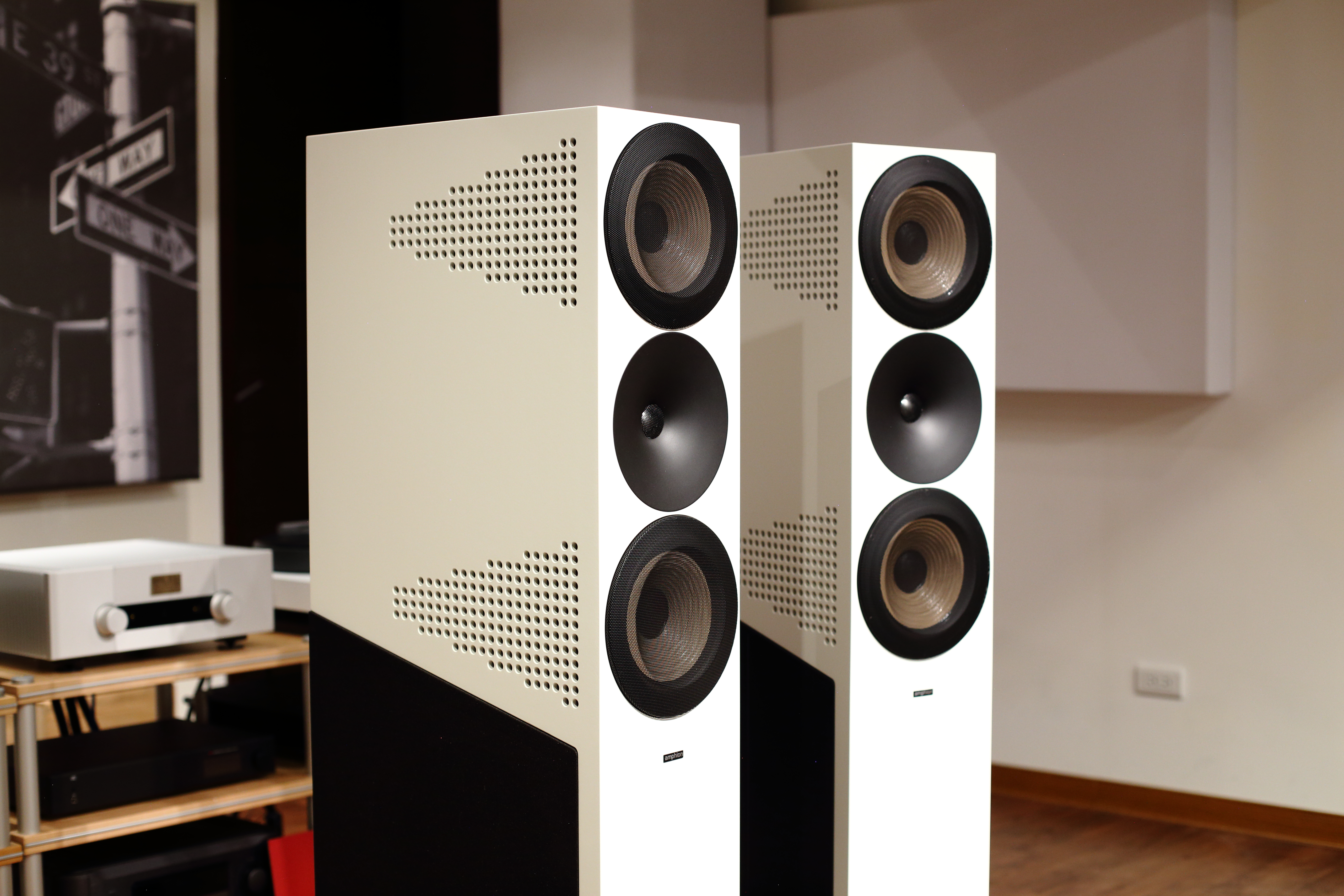
What should you NOT use studio speakers for? Is there anything you should avoid?
Seasoned audiophiles have always been gravitating toward professional gear. When ease of use is not a decisive factor, you can focus on performance alone if studio monitors can be used for enjoying music and making it. Someone still learning the ropes may benefit from avoiding those studio monitors with a harsh and overly neutral character, as that will focus on the mistakes and not the overall performance.
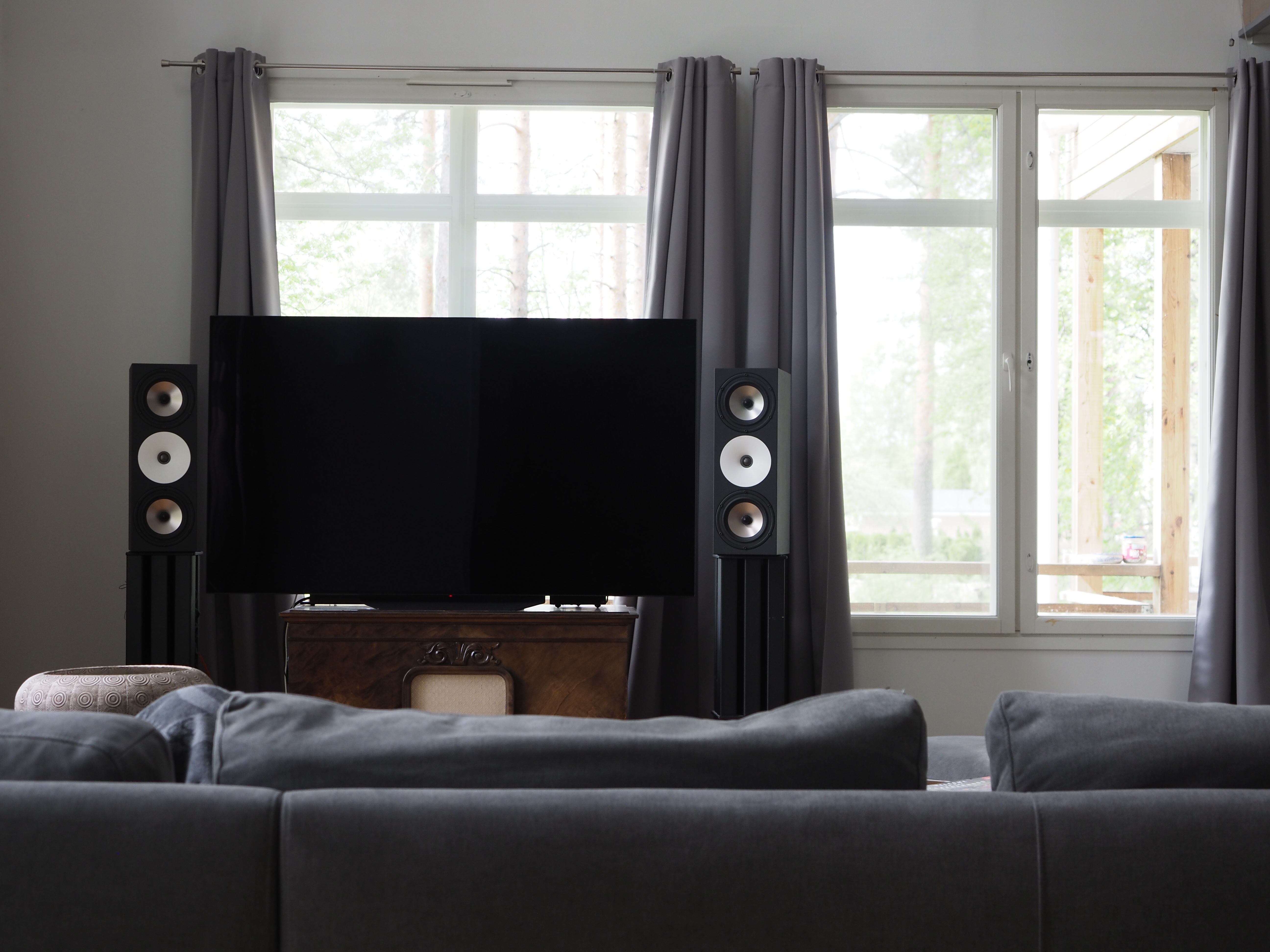
Audiophile speakers are often far more expensive than studio monitors. Why is this, and what warrants the price difference?
A higher price does not automatically mean higher performance. A large portion of the price in audiophile products comes from fit and finish or the use of branded and well-marketed components. This may be a source of pride for the owner, but it will not improve the sound.
Studio monitors are sounder- and performance-oriented, and their pricing tends to be more tied to what the maker can make with it, how it benefits the work, and the results.
Retail and advertising costs play a part also. Hifi tends to be more marketing oriented, whereas pros get their tips on products primarily from their peers and trusted dealers. Marketing and dealer/distribution margins are naturally reflected in the product’s price. As the average cumulative purchase amount of a single customer is higher in pro side the dealers can operate on slimmer margins as in Hifi.
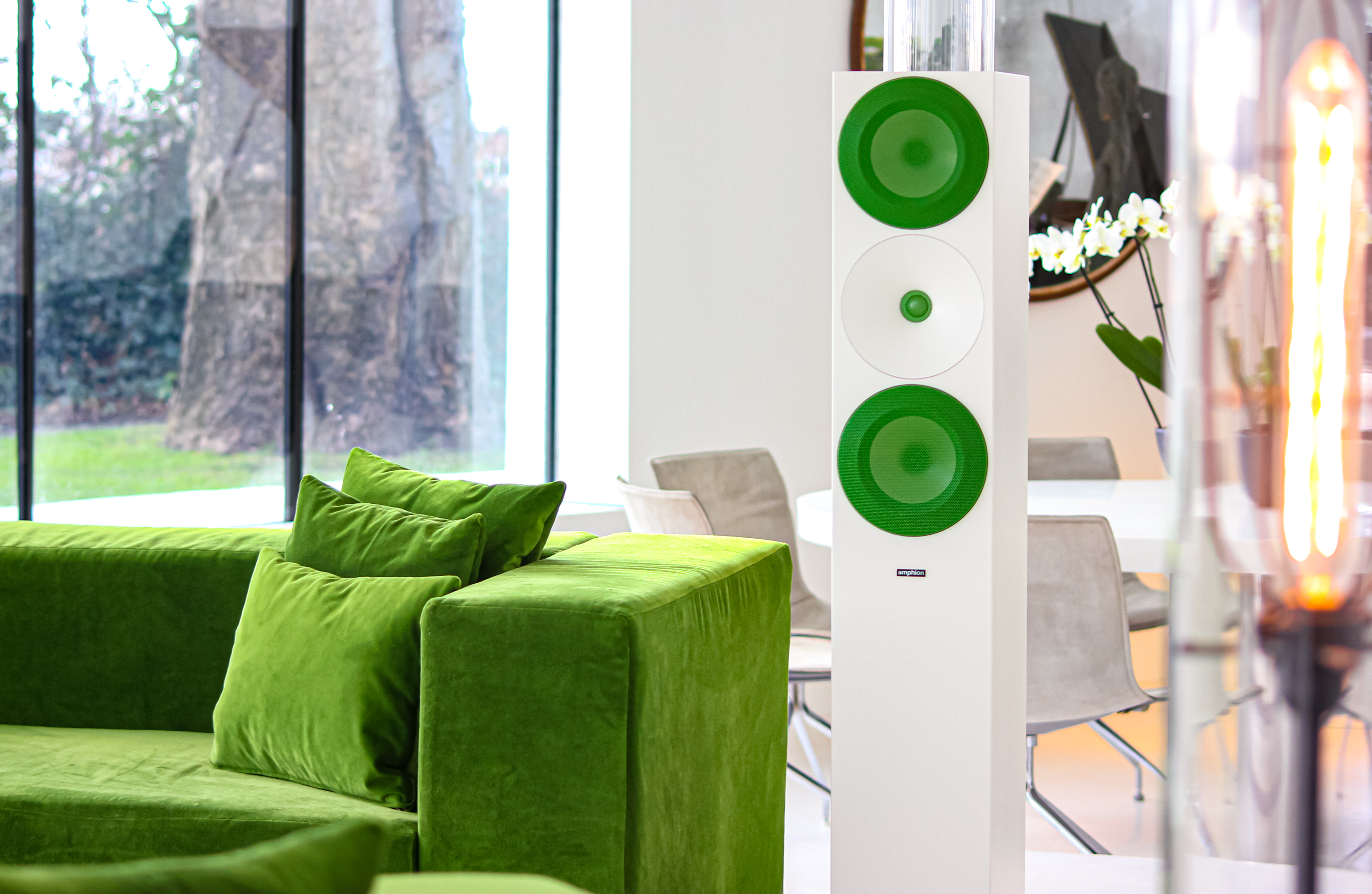
Is speaker placement different in Audiophile Speakers vs. Studio monitors when trying to get the optimal sound in a room or studio?
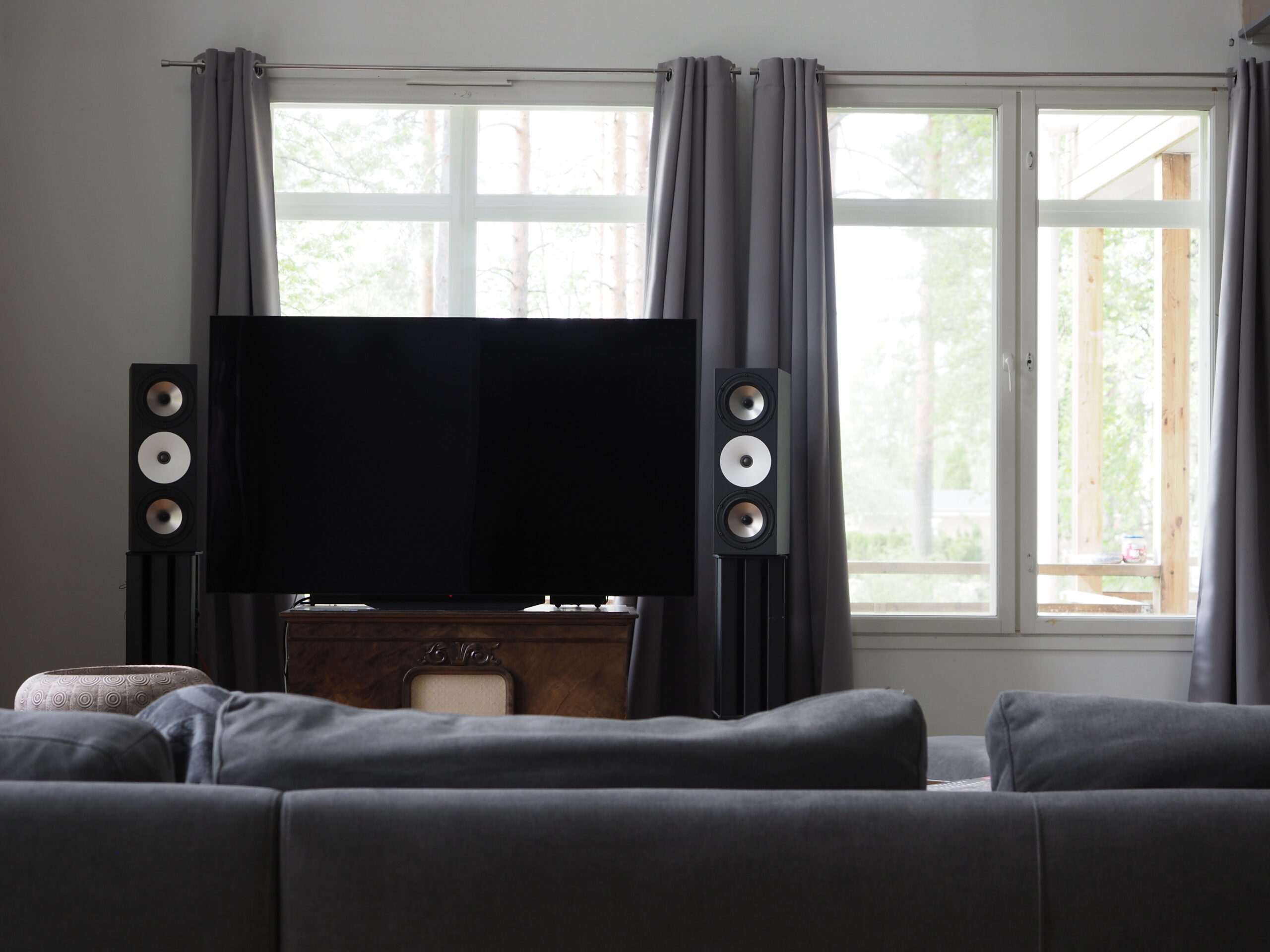
Both should have an equilateral triangle formation; an easy-to-use setup stencil can be downloaded from the link below.
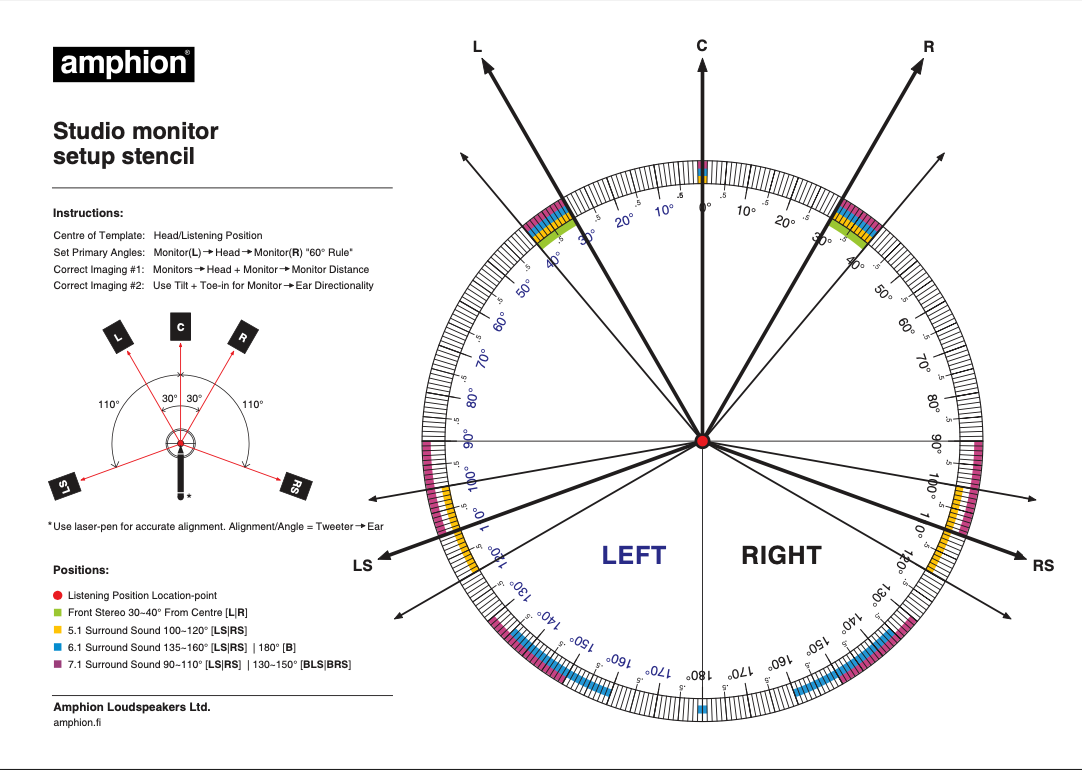
A correct imaging is only possible when the speakers are placed symmetrically about the listening place. Especially in the studio, precise speaker positioning is essential. As the stencil shows, the acoustic center point of the speaker should be pointing to the ears so that you can hear all the frequencies correctly (the highest treble is always directive, which means that you will miss some of it in case you do not aim the speakers directly to your ears).

Magnetic byline note: This byline is used for staff produced updates and short announcements, often based on press materials and official release information. Editorial responsibility: David Ireland (Editor in Chief) and Will Vance (Managing Editor). About: https://magneticmag.com/about/ Masthead: https://magneticmag.com/masthead/ Contact: https://magneticmag.com/contact/