Getting ready to take the plunge into music production?
With just a few simple tips, you can begin your journey and improve your sound in no time.
Whether you’re an aspiring producer, musician, or DJ curious about making your own tracks, these beginner production secrets are essential knowledge that will help build a strong foundation for creating unique sounds and killer grooves.
By learning a few basics of production and mastering key techniques such as compression and EQing, you’ll be well on your way to crafting powerful tracks that truly stand out from the crowd!
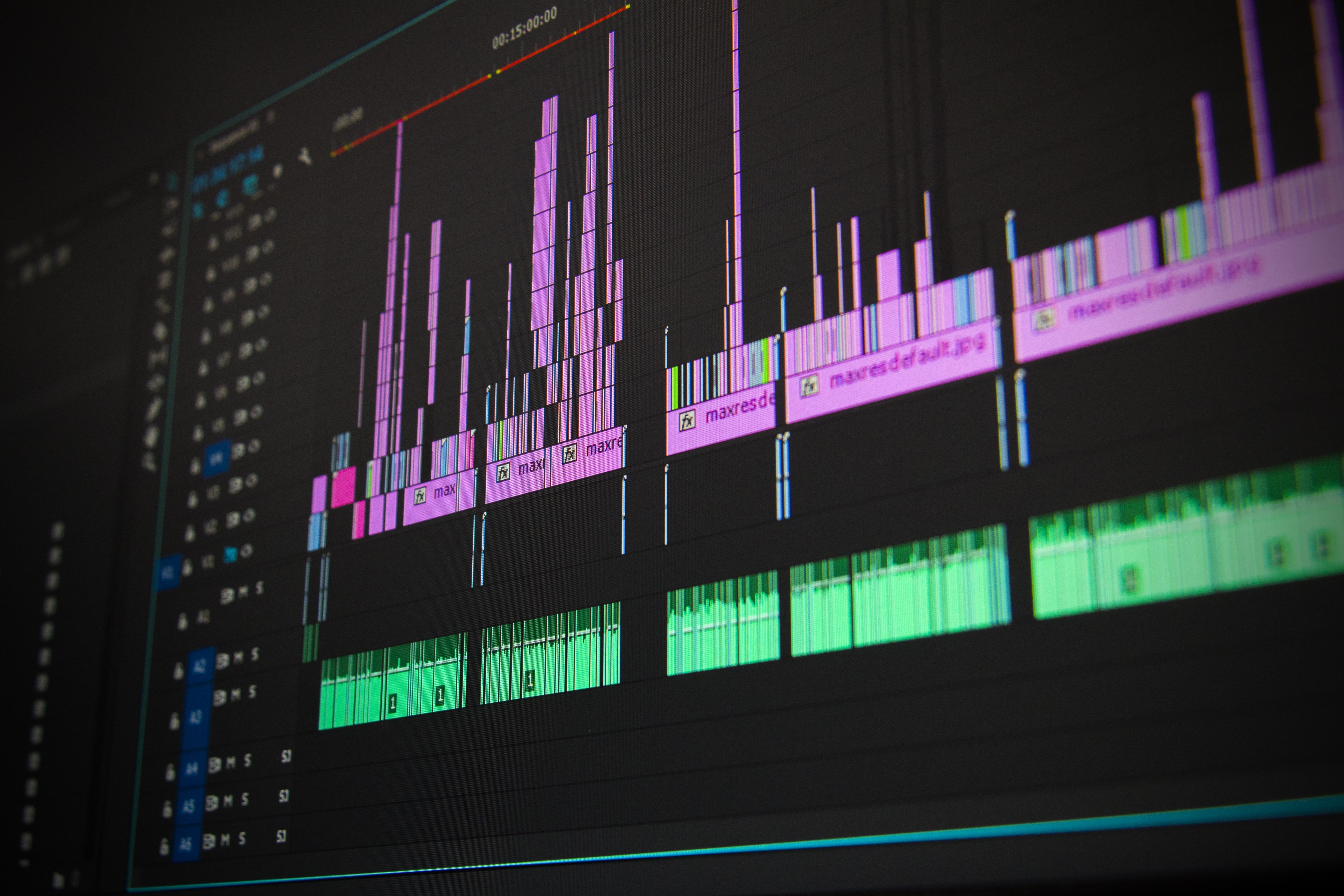
Understand the basics of audio recording, such as frequency and waveforms
Audio recording is a fascinating art form, and if you want to pursue your passion of producing music professionally, then understanding the basics of recording is essential.
No matter how experienced of a musician you are, taking a course on audio recording can provide you with the confidence that can help you create booming tracks.
For learning in-depth about music production and audio engineering, consider Point Blank Music School which offers online courses you can take from home.
I took an Ableton Music production course with them and it was a great experience that I highly recommend to those getting started.
Having a course outline, teacher and consistent classes helped me get the foundation of knowledge that I never would have gotten by just watching some YouTube videos occasionally.
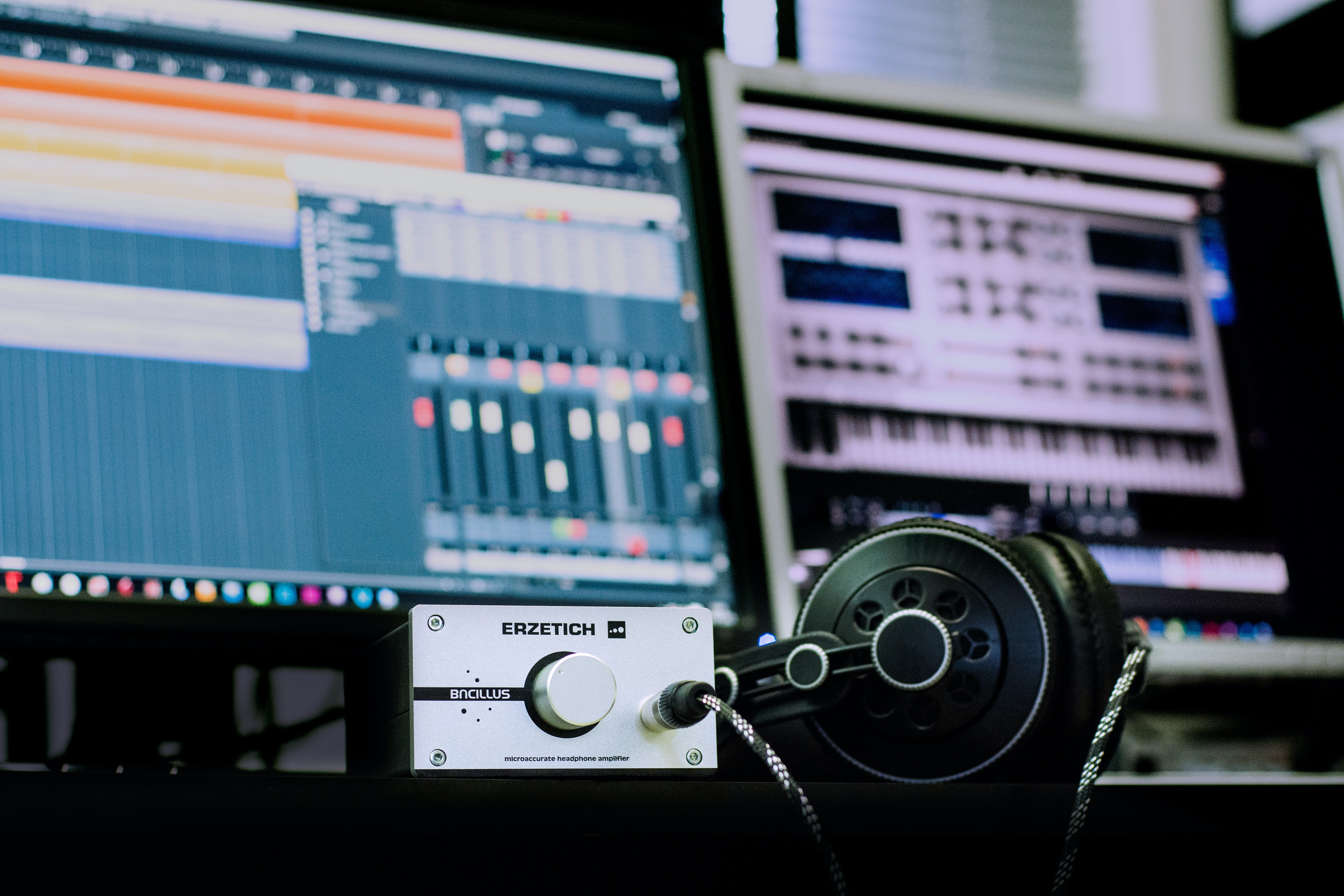
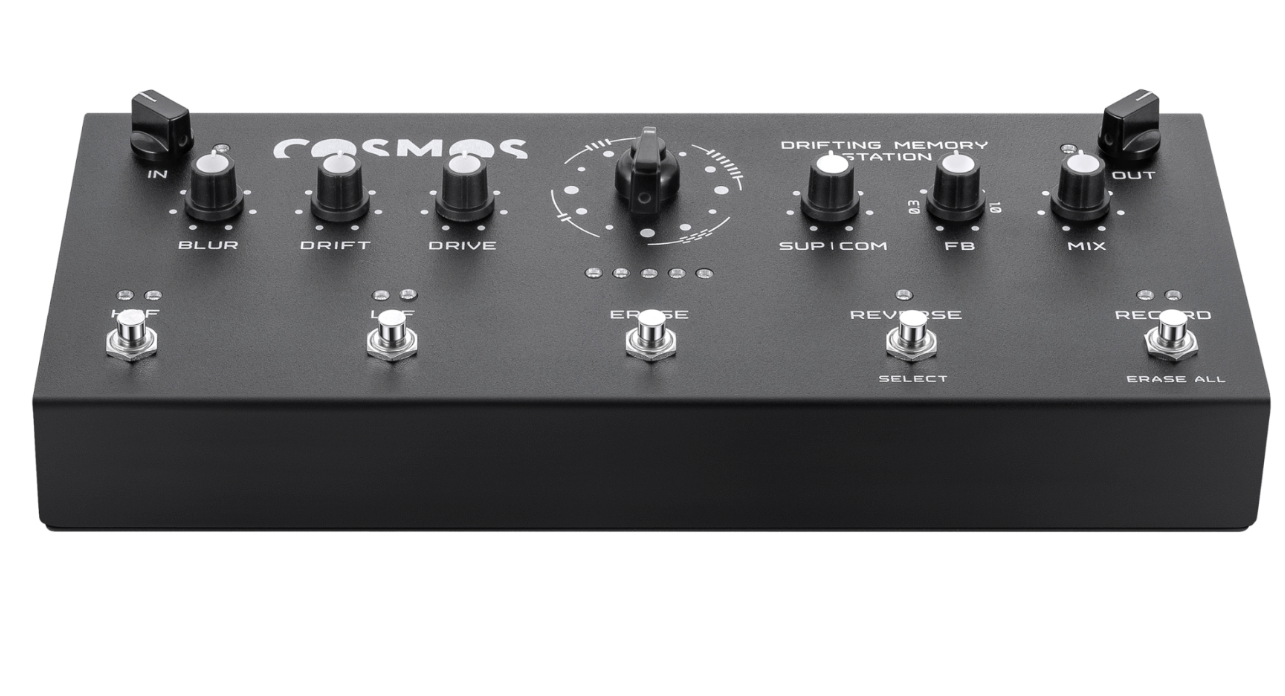
Get some quality gear without breaking the bank
If you want to make your sound production projects top quality, investing in the right equipment is a big help.
With the right tools, you can take your audio recordings from ordinary to extraordinary in no time.
Investing in a dependable microphone and quality monitoring setup is worth it for the results that come with well-produced sound.
With the proper resources, transforming noise into beautiful music can be easy and enjoyable and it might not cost as much as you think. There are plenty of great deals out there and you might not need as much equipment as you expect.
A simple setup is all it takes to start pumping out some tunes, trust me, I didn’t break the bank and yet I’ve got what I need to make the music I want to make.
Utilize EQ to fine-tune your recordings
If you’ve ever created a track and wished it had more clarity, reach, or punch then using equalization is the answer.
When you first start making beats you may notice the sound just doesn’t quite hit the same as your favorite artists. A lot of times a simple visit to the EQ can help you get the sonic impact you are looking for.
Learning to manipulate the frequencies of your track so that each instrument shines is a skill worth it’s weight in producer gold.
Having full control over the frequency spectrum allows you to achieve a professional sound that really stands out from the crowd.

Use compression to bring out certain elements and tame extreme dynamics
Define the “dynamic range” and tame extreme audio transients in order to emphasize certain elements like drums and basslines.
Using a compressor allows you to tame the loud peaks of a sound so that you can boost the overall volume without causing distortion.
It takes a keen ear and know-how but mastering compression tools can give any producer an upper hand in creating that big sound you may be looking for.
By enhancing the strength of your tracks and soundscapes with compression you will notice a big difference in the mix and when your track’s loudness begins to stand up next to some of your favorite tunes, you will feel more inspired to keep creating.

Give your mix a sense of space with panning and reverb
Creating a great mix in your tracks can be daunting and often requires an experienced ear.
But beyond using EQ, compression, and other effects to shape the sound, one of the simplest and most useful techniques is adding panning and reverb.
By balancing the reverb effect levels you can give your track a sense of space, focus attention on certain elements, or create unique musical textures.
Using the pan controls to move your elements around from left to right can give your track a more interesting dynamic than with everything mixed directly in the middle.
With only a few tweaks of these simple mixing tools, you can give your project much more space and texture. So don’t be intimidated – grab a set of headphones, dive deep into your mix, and get creative with some panning and reverb!
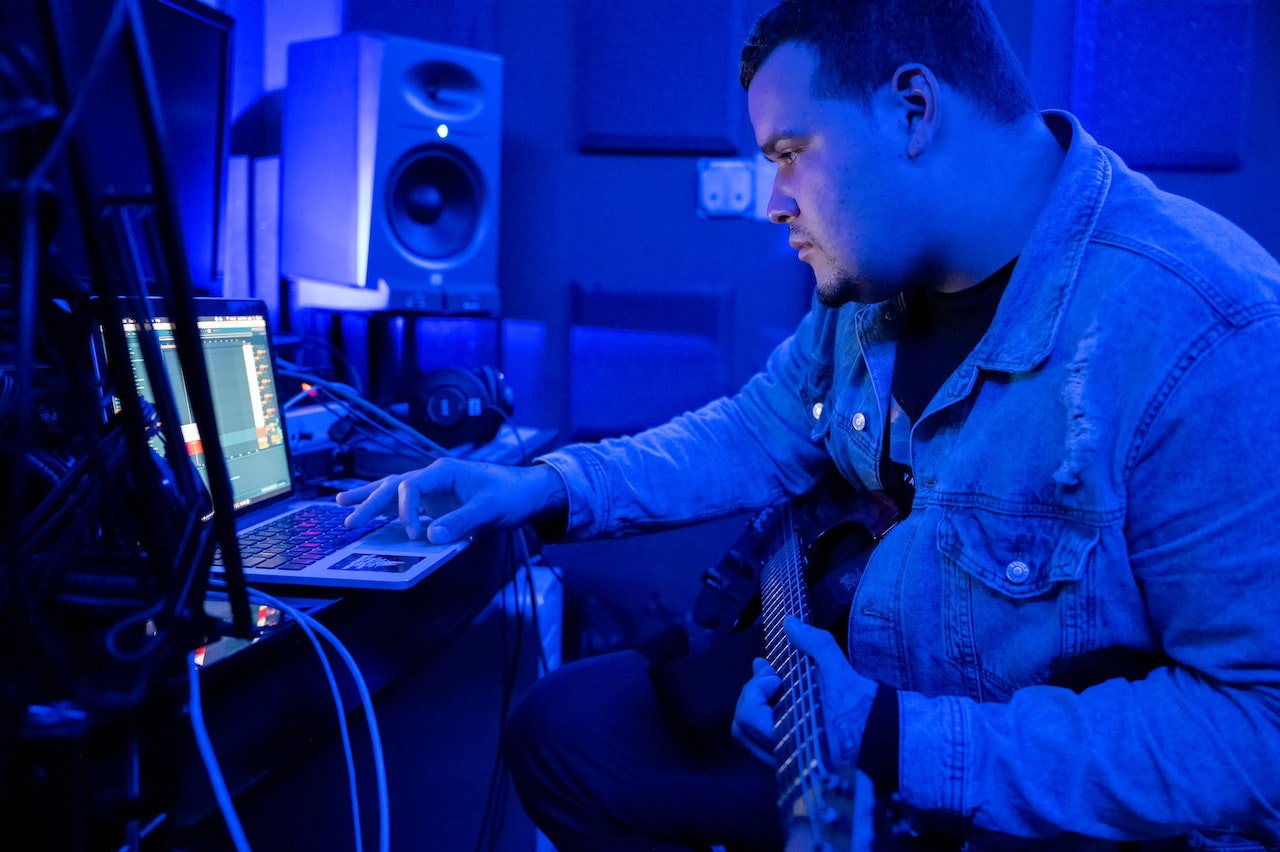
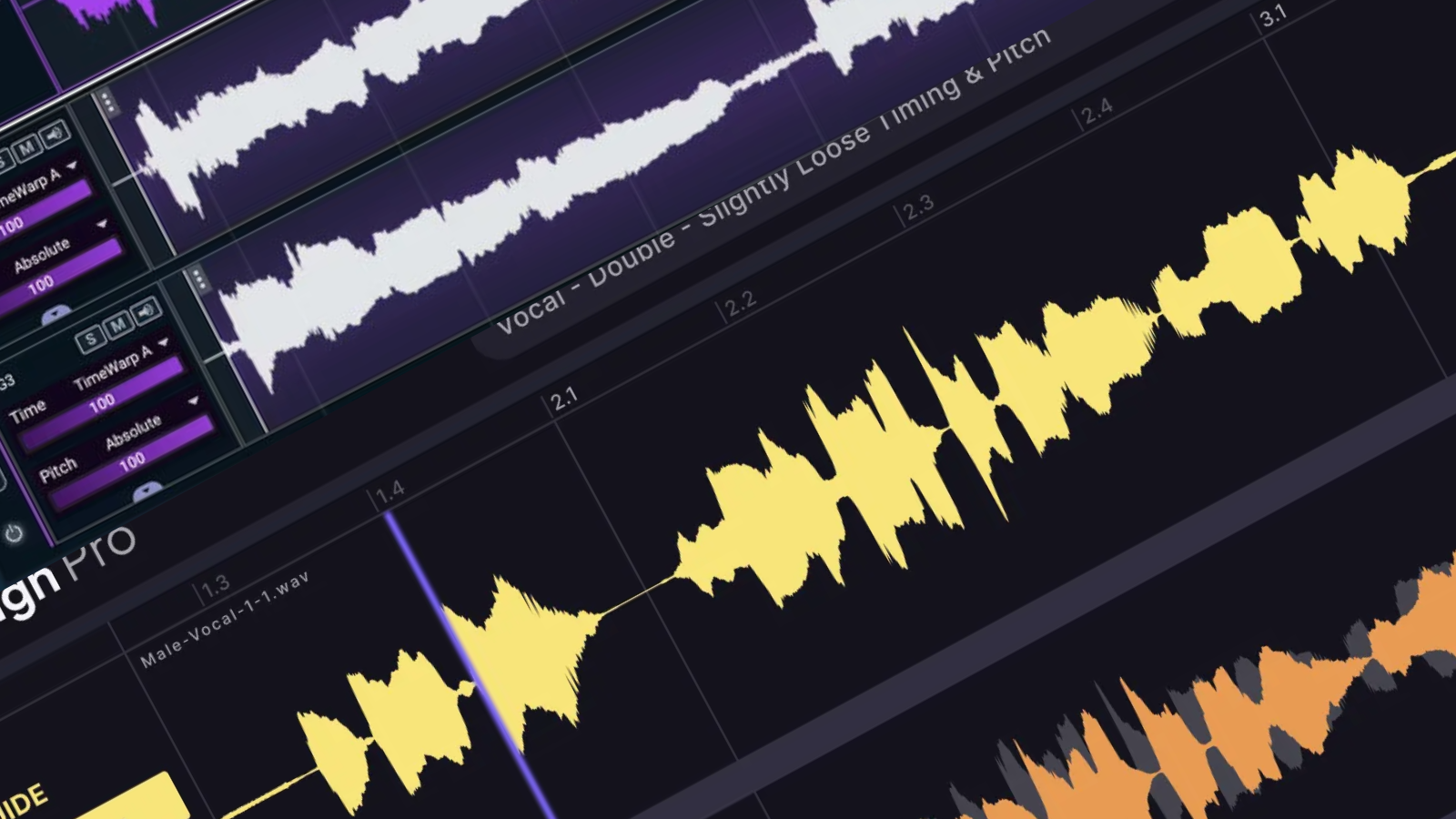
Learn how to adjust timing and pitch for a more professional sound
When honing your recording skills, learning how to adjust timing and pitch can make a major difference in the sound of your recordings.
Not only will this give you a more professional outcome, but it is also an incredibly useful tool that allows you to tweak each track until it meets the exact vision you have in mind.
Learning how to master these changes may seem difficult at first, but with focus and commitment, you’ll soon be able to make use of them like a seasoned pro.
Once you’ve gained confidence, it’s possible to achieve stunning results with just a few simple adjustments.
In Conclusion
To conclude, audio recording is an incredibly complex and rewarding process that’s an important skill for anyone looking to make a career in music in 2023 and beyond.
These days it takes a combination of technical knowledge and creative vision to create truly memorable soundscapes and music.
You don’t have to be a pro to get started: a basic understanding of frequency, waveforms, and EQ are all you need to begin taking your sound to the next level. Investing in quality equipment is also essential for making great-sounding recordings. Utilize compression, panning, reverb, and timing/pitch adjustment to take your mix from good to great.
Also taking a course helps to expedite the learning process. I had a great experience with Point Blank Music School where I was able to pick up the confidence I needed to make tracks in just a couple of months.
Before that, I was struggling to put the pieces together. Learning a few bits and pieces here and there through YouTube videos. Once I committed to the course everything started to change. Learning became more fun because I was free to just follow the guidance from a qualified teacher instead of trying to find my own way blindly. The best part is Point Blank offers different programs depending on what specific area you are looking to specialize in.
The most important thing is to remember to have fun with it!
Every artist has their own unique sonic fingerprint so don’t be afraid to try something new or experiment with different techniques. That’s where the fun is and where you will eventually find your own unique sound.