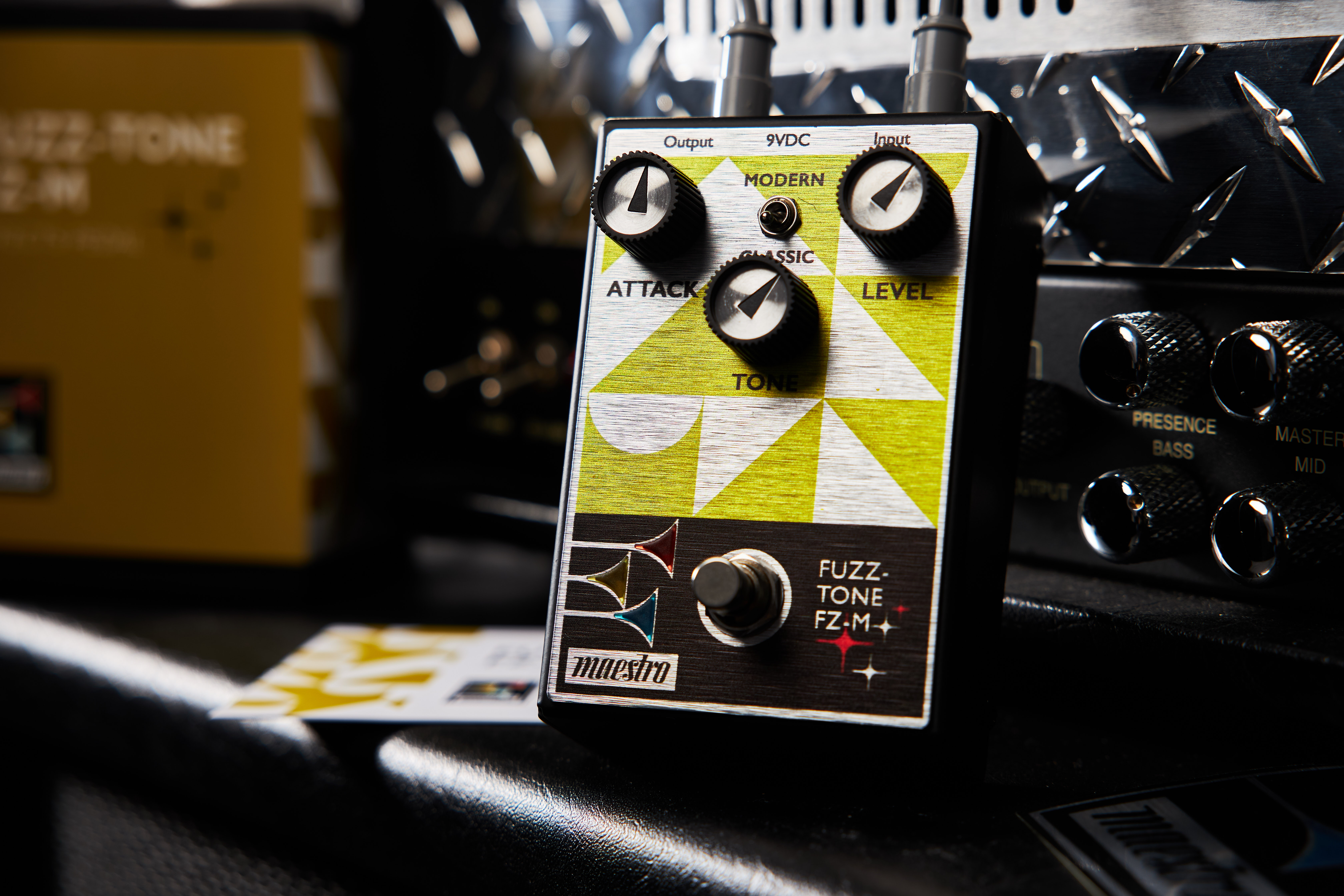
The Fuzz-Tone FZ-M is another of Maestro’s classically-inspired effects pedals brought to the market with a modern makeover. And while the other pedals in the line – like the Arcas Compressor Sustainer or the Discover Delay pedal – are great in their own, the Fuzz-Tone FZ-M can only boast that it’s the one inspired by the pedal that started it all…
The original Maestro Fuzz-Tone FZ-1A singled-handedly defined an entire generation of electric guitars. In the 1960s and 70s, the pedal could be heard on almost every Rock & Roll guitar solo, including “(I Can’t Get No) Satisfaction” and many others. Back then, the pedal added a crisp brightness to the upper harmonics, making the sound cut through the mix in a way that could still be described as “modern” even by today’s standards.
Learn More About This Pedal While Supporting Our Small Team Of Writers Through Out Affiliate Partnership With Sweetwater Here
Today, the Maestro Fuzz-Tone FZ-M taps into that same quality of sound. While it does feature a modern facelift such as different transistors and an even sturdier build the pedal manages to recreate everything that made its predecessor unique and coveted. So let’s dive deeper into how this thing sounds, performs and looks in the studio.
What I Liked Most About The Maestro Fuzz-Tone FZ-M

After researching the Fuzz-Tone FZ-M and using it in the studio on my synths, drum channels, and guitars, I found much to like. While its ease of use and the streamlined user interface is on par with the rest of the three-pots-and-a-toggle switch design seen on all of the new Maestro pedals, there were a couple of extra features that made this specific pedal stand out from the sea of other fuzz and distortion pedals on the market today.
It Makes Things POP!
The Fuzz-ToneFZ-M has a specific quality to its sound (which I’ll be discussing here shortly) that makes elements super bright and present in the mix. After using the pedal on various instruments and situations over the past month, seeing how it shined (pun intended) no matter what you threw it on was impressive.
The most obvious use for this pedal would be for lead synths and guitars. The modern brightness and warmth in the upper harmonics made the mono synths jump out of the speakers. My Stratocaster felt like it was soaring on a bright-and-brittle cloud. But the less obvious choices yielded equally as impressive results. By running a variety of percussion loops through the pedal, from shakers and bongos to everything in between (save for kick drums, which didn’t take kindly to the fuzz at all), the sounds were instantly made crisper and more analog. In some cases even seemed further enhance the width of loops and samples that had previously been affected by stereo-altering effects like imaging and delays.
That is not too bad for a small and affordable fuzz pedal!
It’s Unique
In every producer’s quest to stand out from the sea of other artists using the same plug-ins, VSTs, DAWs, and samples, any device that sounds nothing like the rest is worth its weight in gold. While the hyper-uniqueness in a device’s sound is often simultaneously its greatest asset and weakness, the Fuzz ToneFZ-M’s signature tonality and coloration are evident when you fire it up and scratch at the surface of its potential.
Usually, this type of gear is seen as a one-trick pony that might sound great on guitar solos from the ’60s and ’70s and only works in that narrow field of focus. But this is where the most important of the FZ-M’s three knobs come into play: the ‘Tone’ knob allows you to shape and manipulate the tone and coloration of the sound, it packs so much more sound altering capability into a single dial, which allows you to quickly and easily sculpt and mold the sound into the style and vibe of the track you’re working on.
It’s An Affordable Way To Get The Iconic Sound
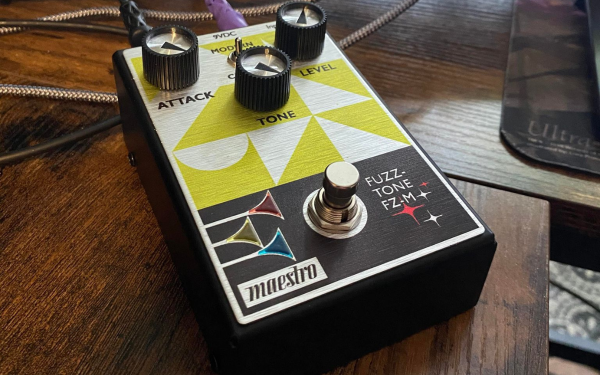
This bucket item can be kept short and sweet cause there isn’t much detail that needs to be expressed. But know that the original pedal from which the FZ-M is designed will run you upwards of $700 these days. This Maestro Fuzz pedal is a near-exact recreation of the original iteration, so you can’t beat the value.
Listen, we entirely understand those collectors who want to have their hands on “the real thing,” but for music makers who want to tap into the modern brightness of a generation gone by, this $159 pedal is an easy sell.
What I Wasn’t Crazy About
It wouldn’t be an honest review unless we chatted more about what we weren’t crazy about with the FZ-M. While we know this next item might be evident to many more seasoned guitarists, we wanted to share our opinions with the newer guitarists who might be curious or hesitant.
It Won’t Be Your Only One
I had mentioned earlier that this pedal’s greatest strength is also its greatest weakness, and now is the time to unpack that a little more. The thing about the Fuzz Tone FZ-M is that its particular sound varies just enough from the classic Fuzz Sound that so many producers are players might expect the FM-Z to sit in a category of its own. While this sound allows it to make leads pop with a modern brightness, adds bright analog warmth to percussions, and more, it also isn’t a catch-all fuzz pedal.
So for those looking for a standard, on-par fuzz pedal, you might be better off reaching for an iteration of the Big Muff pedal or a Boss FZ-5 pedal. These pedals are within a similar price range and, despite their shortcomings (the Muff has few customization options and the FZ-5 uses fuzz modeling instead of being truly analog) act more as workhorse fuzz pedals than a super unique-sounding take on the sound.
Final Thoughts
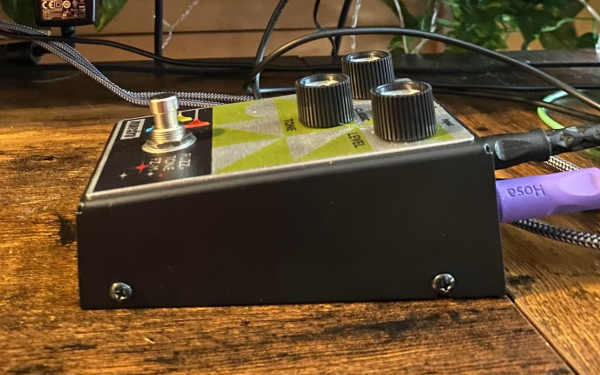
The Maestro Fuzz-Tone FZ-M pedal offers guitar players a raspy, grizzled sound that delivers a unique analog drive. While it may not be a ‘jack of all trades’ fuzz pedal, it is exceptional at adding high-end content that makes your sound pop out of the mix. This pedal’s tonal control provides an additional layer of flexibility, allowing you to dial in your tone and ensure it fits perfectly into the context of your music. The ability to flip between the pedal’s two modes opens up even more creative doors to dial in your sound so that it’s exactly where you want it to be.
The Maestro Fuzz-Tone FZ-M is a must-have for guitarists and producers who appreciate vintage-inspired gear with a modern twist. Its crispy analog drive is as retro as it is stylish, making it a versatile tool for various genres and playing styles. Whether you want to add some grit to your tone or elevate your sound, this pedal delivers on all fronts.
Learn More About This Pedal While Supporting Our Small Team Of Writers Through Out Affiliate Partnership With Sweetwater Here

Will Vance is a professional music producer who has been involved in the industry for the better part of a decade and has been the managing editor at Magnetic Magazine since mid-2022. In that time period, he has published thousands of articles on music production, industry think pieces and educational articles about the music industry. Over the last decade as a professional music producer, Will Vance has also ran multiple successful and highly respected record labels in the industry, including Where The Heart Is Records as well as having launched a new label with a focus on community through Magnetic Magazine. When not running these labels or producing his own music, Vance is likely writing for other top industry sites like Waves or the Hyperbits Masterclass or working on his upcoming book on mindfulness in music production. On the rare chance he's not thinking about music production, he's probably running a game of Dungeons and Dragons with his friends which he has been the dungeon master for for many years.