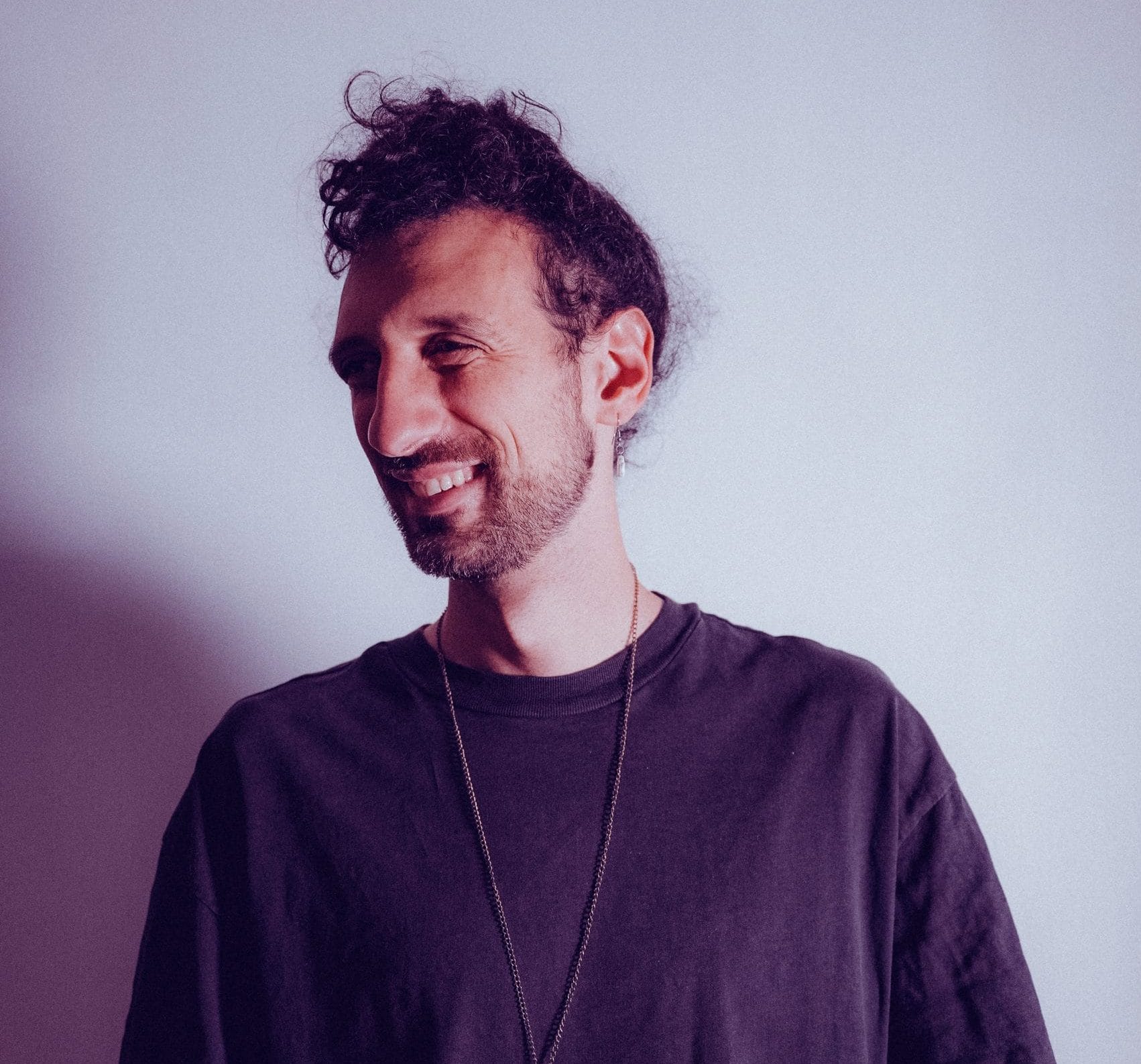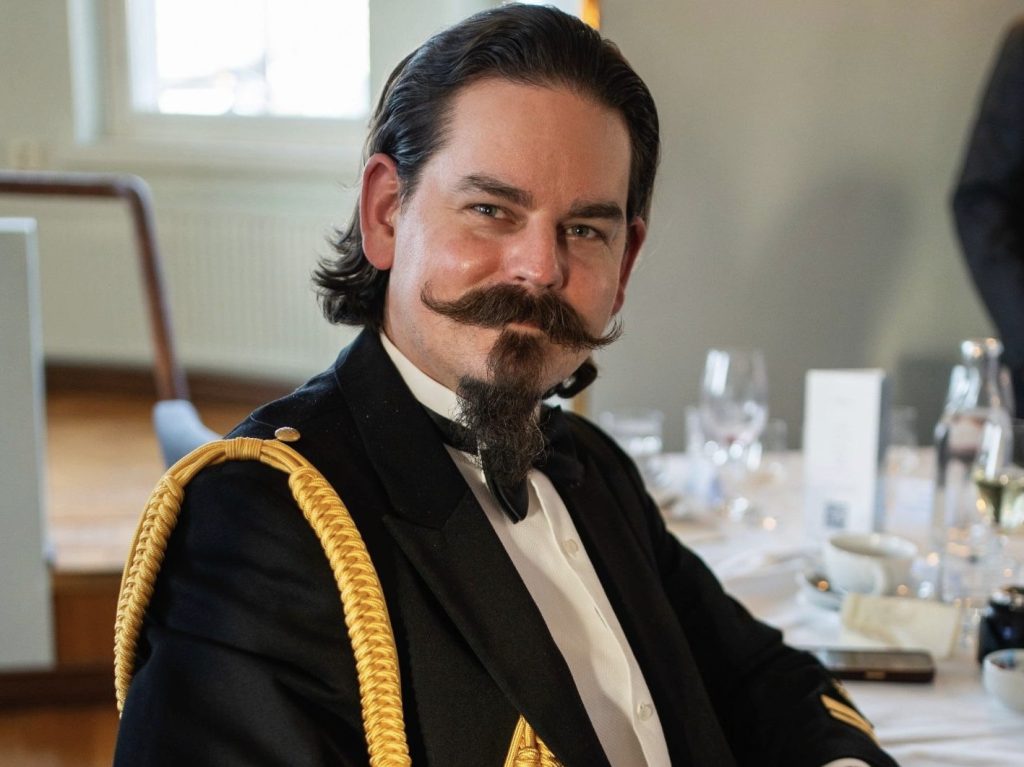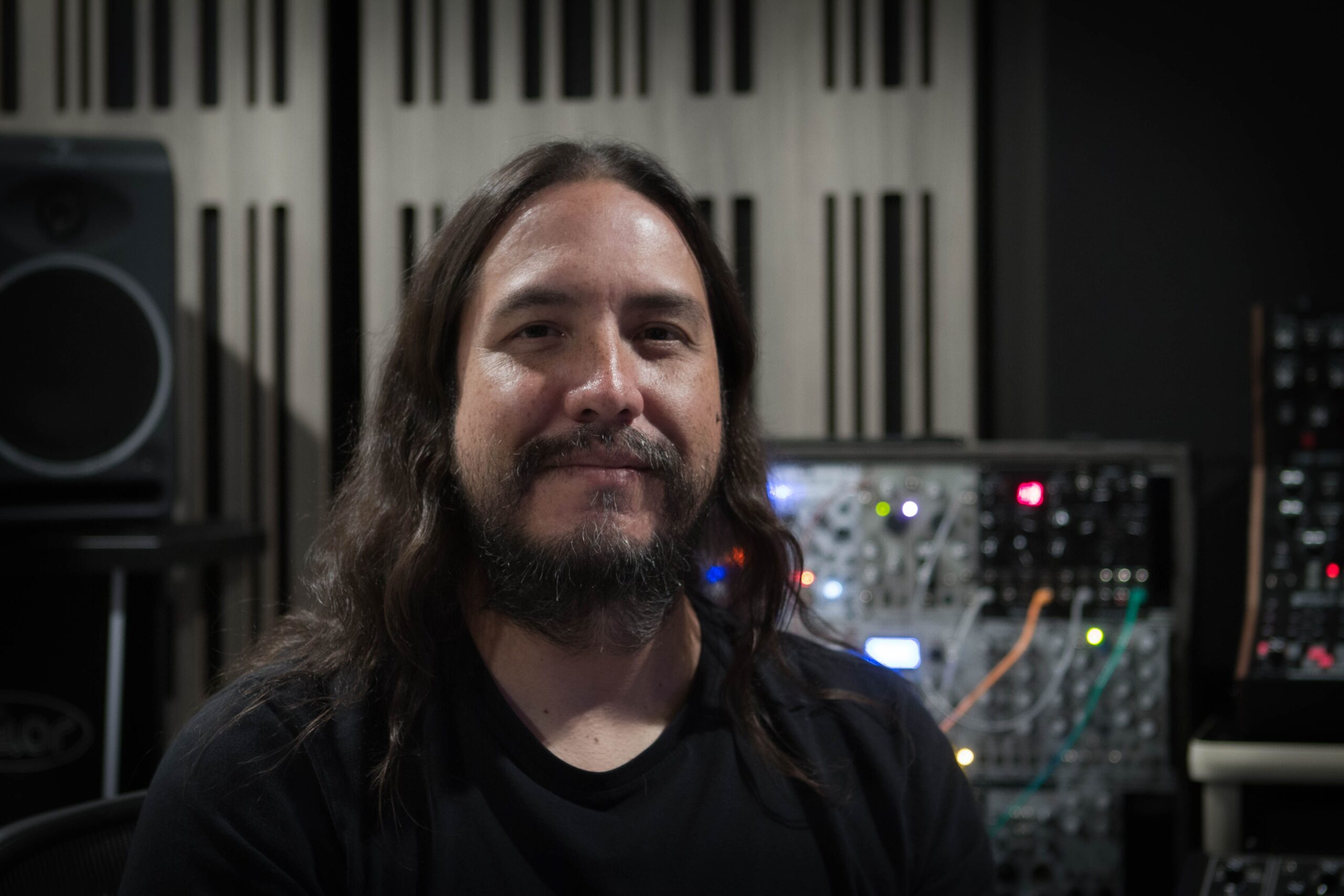
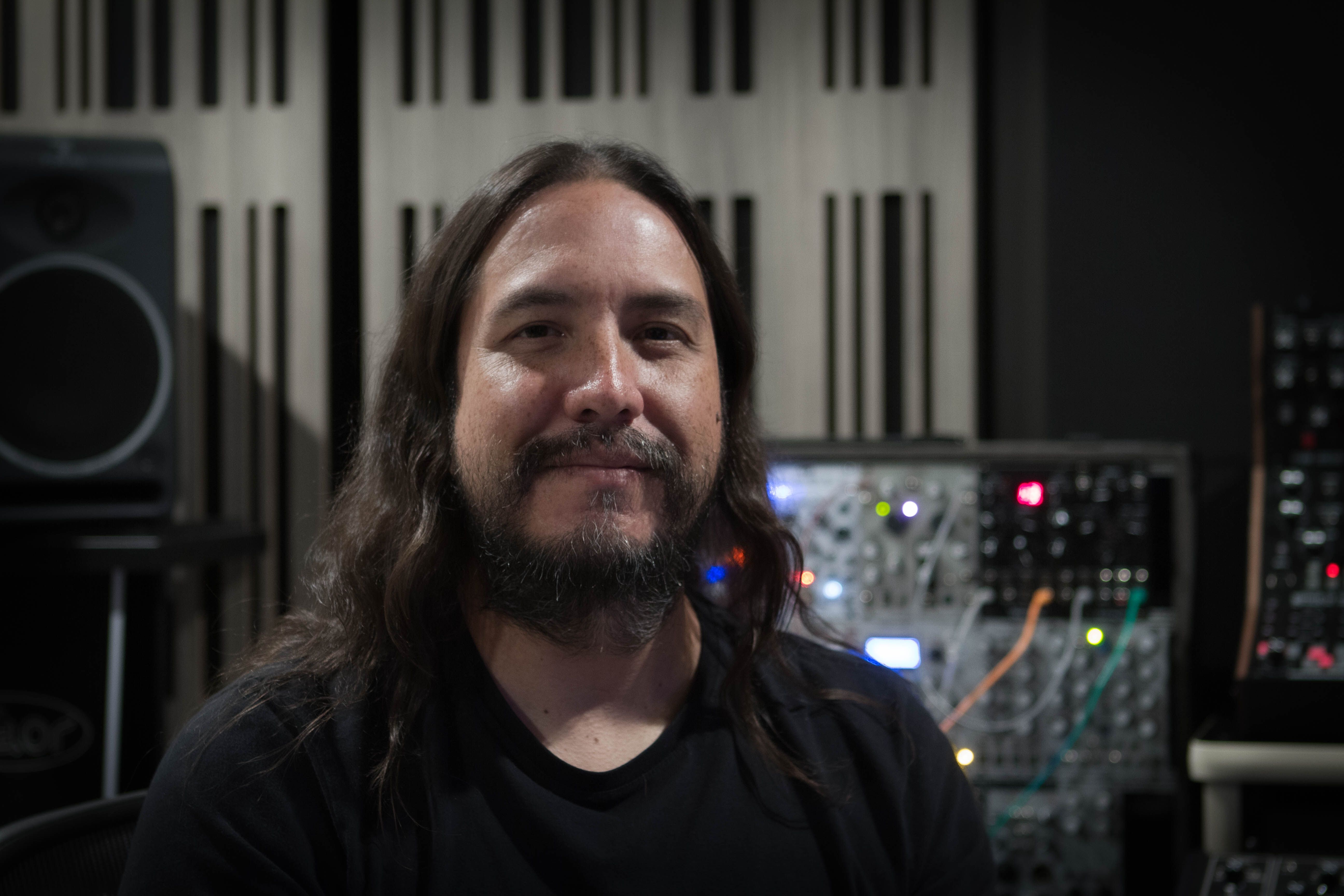
Gary Miranda has a wealth of passion, experience and talent to draw from when it comes to his work in the field of Audio Design. Helming his company, Injected Senses Audio, his work has landed him nominations for awards with the Game Audio Network Guild. Lately he’s been applying his talents to multiple Marvel video game projects like Marvel’s Midnight Suns, Spider-Man: Miles Morales, and Fortnite’s Marvel character cameos. That’s not even mentioning the numerous other classic video game titles you’ve heard his work in.
The genuine engagement Gary has for his craft becomes apparent when you listen to him speak about the work he does. He brings a personal touch to all of the audio projects he helms, using foley techniques and his own specialized equipment to conceptualize and bring to life the right sound for any given situation. Gary has been kind enough to share with us insights into what inspires him, and the kind of production methods he employs to bring his ideas to life. The information he’s offered will be valuable to anybody looking to step up their game in their own audio production projects.
Gary was kind enough to share some truly valuable advice on how to take your audio production to the next level at the end of our discussion. Make sure to read all the way through, you won’t want to miss what he has to offer!
What do you enjoy the most about bringing popular worlds like Marvel’s Midnight Suns and Spider Man: Miles Morales to life with sound?
I really enjoy the creativity and the challenge. Every project has its unique sonic character. Exploring and discovering what that is always feels very rewarding. But then we get to take that discovery and shape and mold it into something that we can share with others. Hopefully, we convey the emotions that we want the listeners to experience. It both baffles and excites me that we can do this with sound and that I can do this as a career!
Can you share any personal touches you bring to your work that elevate your audio design to the next level?
I love to try to work in something custom or personally recorded to just about everything I create. If I’m working on an energy pulse or sci-fi drone, I’ll absolutely fire up the Moog or my Eurorack to come up with a tone that I can use, even if it’s just a layer that gets blended in. If I’m working on gunshots, the general shot and tail might come from a library, but then I’ll work in a custom mech from various tools and gadgets or even a slide or bolt action from firearms I’ve recorded.
I also love recording and performing Foley. Any time I can do a custom performance to an animation or action I feel like that personal touch just fits in so much better than anything straight from a library.
How do you find inspiration for each new audio design project you begin?
First off, it’s a team effort. The visual aesthetic as well as the tone of the narrative within the game is so important in helping us find inspiration. Typically, we have at least one, if not several meetings with writers, creative directors, and our own team of sound designers early on to discuss what they intend, what their inspirations are, etc. We toss ideas around and eventually merge inspirations to help give us a concept of what the audio experience might be.
Personally, I’m a very “visual” audio person (synesthesia) so the game’s visuals and style help me a lot with capturing tones I want to hear and match with those visuals. When a game is vibrant, I search for sounds and tones that elicit a vibrant response (usually in colors) to me.
What are some of the biggest challenges you face when setting out to design a soundscape for a new character or game?
Time! Time seems to be our greatest pushback. It forces us to prioritize and possibly scale back or even lose some great ideas or features that we had planned. I don’t think I’ve ever been on a project where something great didn’t get lost because of the timeline. Eventually, we try to employ those techniques, ideas, or feature sets into the next project. There’s always next time!
What sort of quality standards do you adhere to when working on projects involving well known characters like the ones found in the Marvel universe?
With any major IP, the first thing we ask is, “What is established?” What’s been shown to the public and has now been embedded as a part of that character? The next part of that sound is, “Can we stray from that?” Do we have to adhere strictly to those sounds, or do we have some play? Can we start from scratch? Sometimes we might get a directive from the IP owner to either directly use the established sound from the movies or it might be just to make it sound similar to them.
Can you share any advice for people learning how to engineer the audio for their own video game projects?
I have a couple of things.
Never stop learning. Whether you are one, five, or 20 years in, there’s always knowledge to pick up. Not only does software and equipment evolve, but so do techniques and the cultures for the media we consume day-to-day. So much is driven by inspirations and references (“make it sound like <insert latest soundtrack or sound design>) that you need to keep up on what people are reacting to. Learning also inspires creativity. Thinking about accomplishing a task from several angles or methods might help you to see a new angle or method. It might help you to create new inspiration for everyone else.
Don’t search for perfection. Too often, in creative roles/professions, we can get bogged down trying to achieve the perfect sound, the perfect melody. Get your sounds out there into the world. Let people listen to your art! You will always be your worst critic. There will always be some tiny little piece that feels incomplete or not up to your “perfect” sound. Learn from it (see #1). Save It for later. There won’t be a next time if you never finish the first time.
For sound design, try not to think too literally about what the sound is. So much of the audio we hear in movies and games is not what it is in real life. Try to think of what needs to be conveyed with those sounds. A light switch for a bright kitchen getting ready to prepare a meal and a light switch for a dark, dank basement that might house a sinister clown are going to sound VERY different. They need to represent those emotions and imagery.
Similarly, not everything needs sounds. Silence is just as important as sound. Think about what needs to be heard but also think about what doesn’t need to be heard. The best sound design has focus. It draws you to what is the intended response or emotion. It’s not about putting the highest quality sounds on everything that would make a sound in a level or scene.
It was wonderful hearing all that Gary had to offer. I’m very grateful for the amount of knowledge he shared with us. Check out Marvel’s Midnight Suns or Spider-Man: Miles Morales for some recent examples of his work!