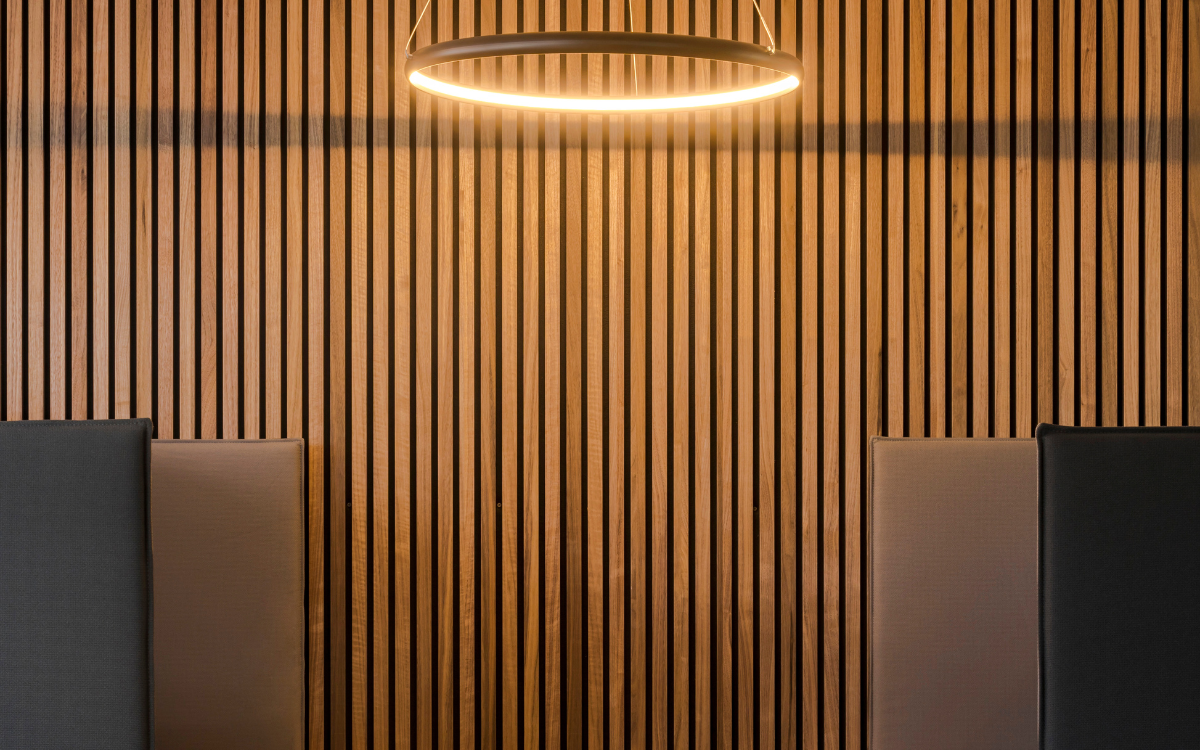
In a world where crisp sound quality and excellent acoustics are crucial for creating professional music, The Wood Veneer Hub’s acoustic paneling has become a great choice for musicians and studio owners. These beautifully crafted wooden panels enhance the visual aesthetics of any space and significantly improve the acoustics, making them a must-have addition to any music studio. Designed to control sound reflections and reduce unwanted noise, these panels are perfect for optimizing the audio experience within your creative space.
The Wood Veneer Hub’s acoustic paneling is specially engineered for use in music studios, where precise sound control is paramount. These panels are created from various wood species, each with unique sonic properties, providing an array of options for users based on their specific needs. As a result, this versatile product has gained popularity among professionals in the industry for delivering exceptional sound quality and a visually appealing studio environment. With their easy-to-install design and multiple customization options, these panels cater to various acoustic requirements, allowing users to create the perfect ambiance for their recording sessions.
To ensure that our readers get the most out of this innovative product, we had the opportunity to interview The Wood Veneer Hub’s team of experts for their insights on installing the acoustic paneling in your music studio. Their invaluable knowledge and experience in the field will help guide you through transforming your studio’s acoustics, enabling you to achieve the best possible sound quality. Stay tuned as we delve into installation specifics, panel placement, and other essential tips the experts share.
Learn More About These Panels On The Wood Veneer’s Website Here
How important is the ease of installation when it comes to designing and treating the acoustics of a music studio? How do the Wooden Veener panels help?

Ease of installation is crucial when it comes to designing and treating the acoustics of a music studio. In a recording studio or music production environment, the sound quality of the space is paramount, and any acoustic treatments that are difficult or time-consuming to install can negatively impact the workflow and productivity of the studio.
The SLATPANEL® Range has been designed with ease of installation in mind. The panels are lightweight and can be easily mounted onto walls or ceilings using screws which can be applied through the acoustic felt or with construction glue. This means that the installation process is quick and straightforward, allowing for minimal downtime in the studio.
Can you discuss any challenges encountered during the installation process in a music studio and how to overcome them?
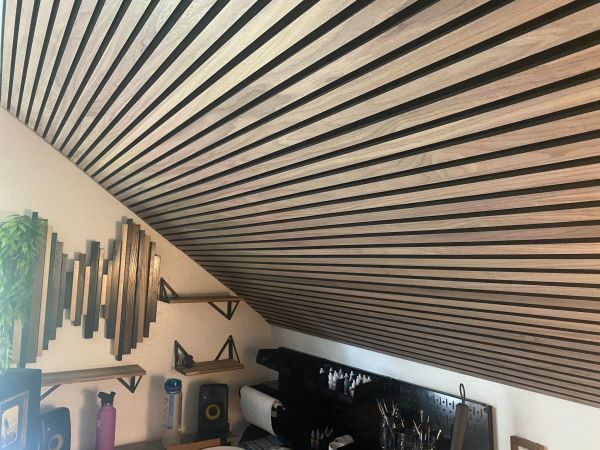
One of the main challenges encountered during the installation process in a music studio is ensuring that the acoustic treatments are installed correctly and in suitable locations. This requires careful planning and measurement and a good understanding of the acoustic properties of the space.
To overcome this challenge, we recommend working with an experienced acoustic consultant or installer who can provide guidance on the best locations for the panels and ensure that they are installed correctly. It’s also important to carefully follow the installation instructions supplied with the SLATPANEL® Range and to use the recommended tools and hardware.
Are there any specific environmental factors, like humidity or temperature, that can affect the performance or durability of the wood panels?

Wood usually is affected by changes in humidity and temperature which can cause things like bowing and cracking to occur. Our panels use a backing made of recycled plastic, and the slats are made from a moisture-resistant MDF, meaning that it is very stable in areas of high humidity and moisture.
We only recommend adding a finish to the veneer on the front of the slats, but apart from that, the panels will have no problem in any music studio environment.
Can you provide tips for cutting and trimming the wood panels for a perfect fit and getting the best acoustic treatment in a music studio?
When cutting and trimming the SLATPANEL®, it’s essential to use the right tools and techniques to ensure a perfect fit. We recommend using a table saw with a fine-toothed blade to make precise cuts and a jigsaw or coping saw for curved or irregular cuts.
It’s also important to measure carefully and mark the panels before cutting to avoid any mistakes or errors. We recommend leaving a minimal gap between the panels and the wall to allow for any potential expansion and contraction. However, the likelihood of this happening is minimal with these particular panels.
How can I ensure that the wood panels are installed in a way that maximizes their acoustic benefits?
To ensure that the SLATPANEL® is installed in a way that maximizes its acoustic benefits, it’s essential to follow a few fundamental principles:
- We recommend screwing 45mm timber batons to the wall to achieve optimum sound absorption and then screwing the panels directly into the batons through the acoustic felt. Combined with something like Rockwool behind the panels in between the batons this will achieve Class A sound absorption.
- Determine the areas of the room that require acoustic treatment and identify the best locations for the panels based on the acoustic properties of the space.
- Install the panels at the correct height and angle to achieve the desired sound absorption and diffusion.
- Use a combination of absorption and diffusion panels to create a balanced and natural sound in the room.
- Ensure that the panels are adequately spaced and installed in a way that minimizes sound reflections and standing waves.
- Consider using bass traps or other specialized acoustic treatments in areas with problematic low-frequency sound buildup.
How can I effectively integrate electrical outlets, switches, or other wall-mounted elements common in music studios with wood paneling?
When installing the SLATPANEL® in a music studio, it’s essential to consider how to integrate electrical outlets, switches, or other wall-mounted elements common in these types of spaces. One way to do this is to install the panels over a layer of drywall, leaving openings for the electrical components.
Another option is to use specialized outlet boxes that are designed to be mounted directly onto the panels. These outlet boxes can be cut to fit the size of the electrical elements and provide seamless integration with the paneling.
Can you share any examples or case studies of music studios or recording spaces that have successfully used your wood paneling products?
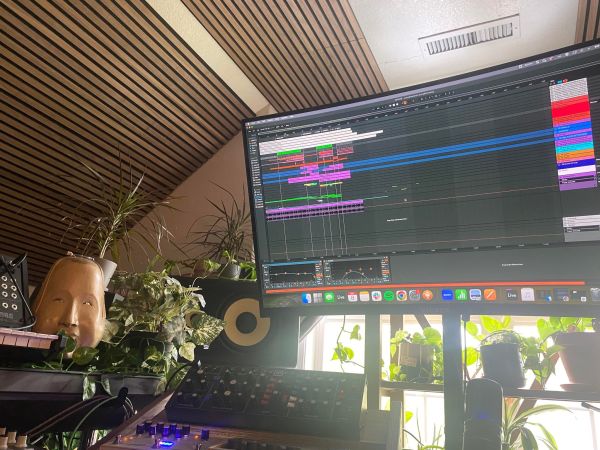
Over the years the SLATPANEL® has been used in a large number of home music studios as well as larger commercial studios such as Defected Records in London. We have also found that the panels have been hugely popular for podcast studios and YouTubers who want to create a better acoustic environment for their work.

Will Vance is a professional music producer who has been involved in the industry for the better part of a decade and has been the managing editor at Magnetic Magazine since mid-2022. In that time period, he has published thousands of articles on music production, industry think pieces and educational articles about the music industry. Over the last decade as a professional music producer, Will Vance has also ran multiple successful and highly respected record labels in the industry, including Where The Heart Is Records as well as having launched a new label with a focus on community through Magnetic Magazine. When not running these labels or producing his own music, Vance is likely writing for other top industry sites like Waves or the Hyperbits Masterclass or working on his upcoming book on mindfulness in music production. On the rare chance he's not thinking about music production, he's probably running a game of Dungeons and Dragons with his friends which he has been the dungeon master for for many years.








![How It Was Made: JOKESONYOU & DJ IP – OTTF [Teletech]](https://magneticmag.com/wp-content/uploads/2026/08/artwork-ottf-1024x1024.jpeg)