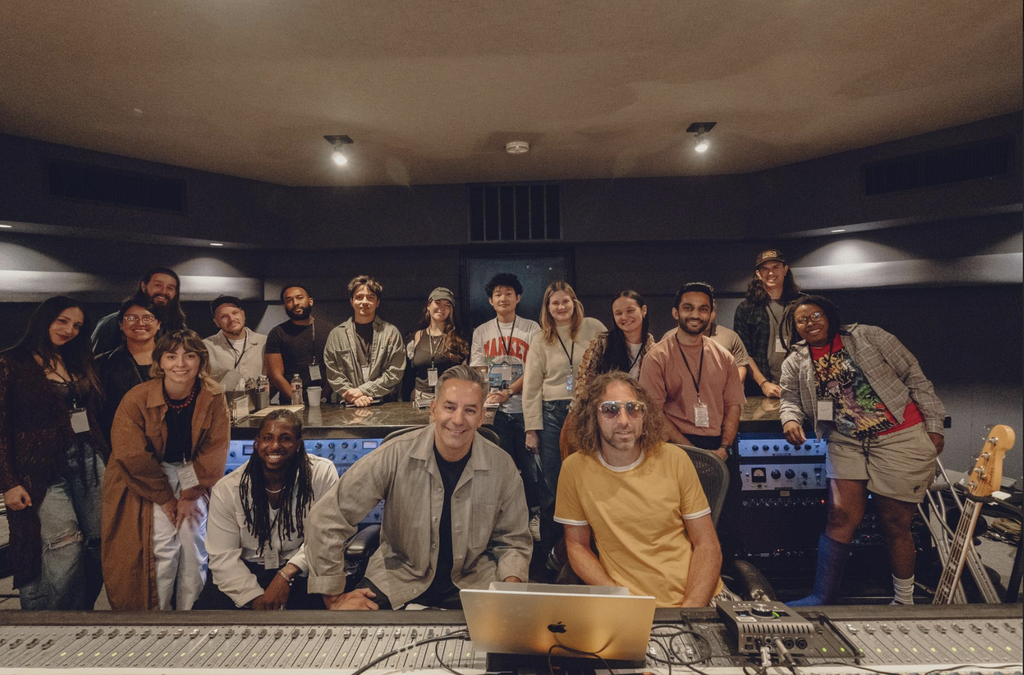
When supporting a friend’s musical journey, providing constructive feedback is a delicate task that requires a balance between honesty and empathy. It’s natural to encounter situations where you might question how to approach a friend and express your thoughts on their music. Offering feedback that encourages growth while preserving the friendship requires a thoughtful approach and a genuine desire to nurture their artistic development.
In these instances, the focus should be on creating a supportive environment that fosters open communication and mutual respect. Understanding that music is deeply personal to artists, it’s essential to approach the conversation with sensitivity and tact. By emphasizing constructive feedback, you can offer insights that help your friend improve their craft without discouraging their creative spirit. This article will explore strategies for providing honest and supportive feedback, ensuring your friend’s musical journey continues flourishing instead of sucking a**.
Encourage Them To Find Creative Solutions

In providing constructive criticism to your fellow music producers, it’s essential to encourage them to find creative solutions to the issues you identify in their work. When pointing out a problem, don’t just stop there; offer a potential solution, a reference track, or a helpful resource, such as a YouTube video, blog post, or plugin recommendation. Sharing these resources can inspire your friend to explore new techniques and ideas, ultimately elevating their music to new heights.
Sharing your production knowledge and tips is another crucial aspect of helping your peers improve their craft. By imparting the knowledge you’ve gained through your experiences, you can guide them toward finding practical solutions to the issues you’ve noticed in their music. This collaborative approach helps address specific problems and fosters an environment where everyone can learn from each other and grow as artists.
Need New DJ Software To Play Out Your Lateste WIPs? We Got You
Lastly, remember that music production involves experimentation and trial and error. It’s easy to lose objectivity when deeply immersed in a project, so offering out-of-the-box solutions can help your friends maintain a fresh perspective. By providing alternative ideas and approaches, you remind them of the importance of experimentation and encourage them to step outside their comfort zone. Ultimately, this will help them unlock their full potential and improve their music while nurturing a supportive and creative community.
Focus On The Specifics and The Positives
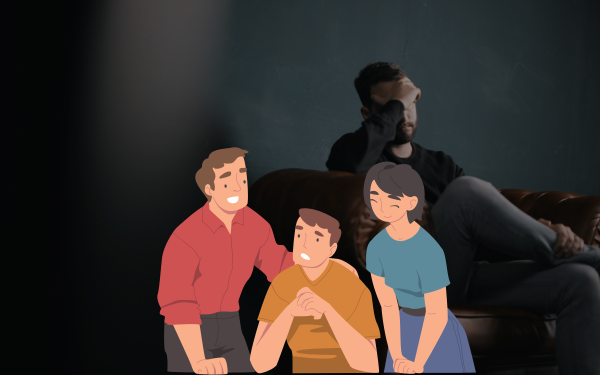
Here are some of the lamest things you can tell a producer when they show you their next song.
“This is fire, bro… “
“This is great… “
“Cool beat… “
These types of comments are half-assed and are a waste of everyone’s time (…yours and theirs alike).
When giving and asking for feedback, focus on specific qualities in the mix or production that could be improved. Mix details, minor arrangement specifics, tiny details in sample selection, and sound choice. The more minute the feedback you give and the pieces you lock in on that need to be changed, the more actionable that feedback will be.
It’s also essential when providing feedback to focus on being kind, honest, and empathetic. Instead of launching straight into the criticism, start by expressing genuine appreciation for the other person’s work. Understanding their perspective and acknowledging the effort that went into creating the piece is essential. This approach sets a positive tone and helps open the listener’s mind to your suggestions.
When offering criticism, ensure that your feedback is specific and actionable. Rather than generalizing or using vague language, be clear and concise about the areas that could use improvement. Offer suggestions for possible solutions or alternative approaches, and always emphasize the potential for growth and development. Everyone has different tastes and perspectives, so presenting your feedback as your opinion rather than an absolute truth is crucial. Doing so encourages a healthy exchange of ideas and fosters a collaborative environment.
Need More Melodic House Music? Check Out These Powerhouse Playlists
Lastly, it’s essential to be mindful of your tone and body language when giving criticism. By maintaining a calm, respectful demeanor and avoiding negative or accusatory language, you demonstrate that you intend to support and help the other person improve rather than demean or belittle them. Remember that the goal is to provide valuable insights and foster growth. Always create a comfortable atmosphere that encourages open communication and learning. This way, you and the person receiving the feedback can benefit from the exchange and continue developing as artists and producers.
Ask What Their Goals and Intentions With This Song Are
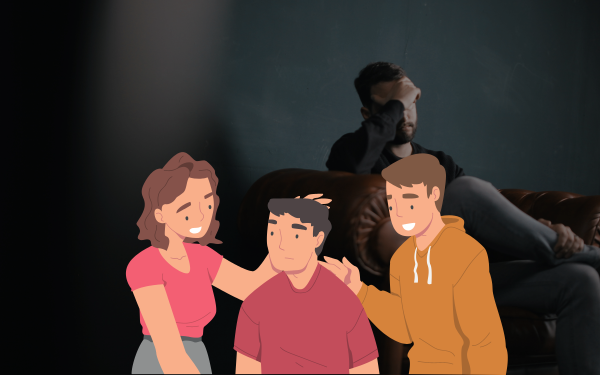
When providing constructive criticism to your fellow music producers, it’s vital to first understand their goals and intentions with the song in question. Recognize that every piece of music is never perfect or complete, and each creation serves as an opportunity to hone one’s skills. Ask your friends about their specific objectives or focus areas for each track or beat to align your feedback with their mindset. This approach will help you tailor your advice to their needs and support their growth as artists.
Before diving into your feedback, asking what your friends like and dislike about their work is also helpful. Understanding their perspective and struggles allows you to offer more relevant and targeted advice based on your experiences and skillset. This way, you can provide meaningful insights that address their concerns and help them overcome challenges in the creative process.
Remember that your friends may have created the track or beat to practice a technique or plugin they recently discovered. If that’s the case, focus your feedback on the new approach’s effectiveness while suggesting improvements or alternative methods to enhance their skills. Maintaining a supportive and understanding attitude can create an environment where constructive criticism leads to meaningful growth and development for everyone involved.
Have A Two Way Conversation

One effective approach to providing constructive criticism to a friend’s music is to listen to it together and engage in a thoughtful discussion. Doing so creates a supportive and collaborative environment that allows for open communication. Start by actively listening to the music and taking note of specific elements that stand out to you, such as the melody, arrangement, or production techniques. Rather than making immediate judgments or negative comments, focus on understanding the artist’s intent and creative choices.
Encourage your friend to share their thoughts and intentions behind the music during the discussion. Ask open-ended questions that prompt deeper reflection, such as, “What were you aiming to convey with this section?” or “How did you approach the production process for this track?” This way, you can gain valuable insights into their creative process and better understand their perspective. As the conversation progresses, offer your feedback constructively, highlighting both positive aspects and areas for improvement. Provide specific examples and suggestions, such as recommending adjustments to the mix balance or suggesting alternative chord progressions that could enhance the emotional impact of the music.
Here are some questions to kickstart these types of deeper conversations and dialogues around the track:
- “What was your inspiration behind this track? What emotions or ideas were you aiming to convey?”
- “Can you walk me through your creative process for this specific section? How did you approach the composition and production?”
- “How do you feel about the overall structure of the track? Are there any areas where you think it could be refined or enhanced?”
- “What elements of the mix do you feel particularly proud of? Are there any specific aspects that could benefit from further attention?”
- “Is there a specific audience or atmosphere you envision this music being enjoyed in? How does the track align with that vision?”
- “Were there any specific challenges you encountered during the production process? Are there any areas where you’d like some input or fresh ideas?”
- “What are your thoughts on balancing the different elements in the mix? Are there any adjustments you’d like to explore?”
Remember, the goal of listening and discussing the music together is not to impose your personal preferences but to provide objective feedback that helps your friend grow as an artist. By fostering a supportive and collaborative atmosphere, you can create a space where they feel comfortable exploring new ideas and techniques. Ultimately, the aim is to offer constructive criticism that respects their creative choices while providing insights that can elevate their music to the next level.
Honesty Is The Most Important Quality
This item is listed last because it summarizes all the previous four points wrapped into one. As a music producer or artist, one of the most challenging yet crucial skills you can develop is the ability to give brutally honest feedback. It’s important to remember that the creative process thrives on constructive criticism. When communicating with your peers about their work, you must be honest and sensitive to their creations’ nature. This includes being specific about what isn’t working in a song and why instead of giving blanket statements that are hard to interpret or apply. By offering detailed, actionable feedback, you give your friends the tools they need to improve.
When offering criticism, it’s crucial to consider artists’ emotional investment in their work. This means approaching feedback with empathy and understanding, recognizing that it can be tough to hear that a piece of music isn’t up to par. Always begin with positive observations about the work to set a supportive tone. Then, address the problematic aspects of the music tactfully, emphasizing the potential for growth and improvement. This balanced approach allows your peers to receive your feedback constructively, fostering an environment of mutual respect and open dialogue.
Need Advice On Drum Machines? Jope Has Got You Covered
Lastly, remember to create a dialogue rather than a monologue when giving feedback. Encourage your friends to respond to your observations and suggestions and discuss potential improvements. This exchange can lead to new insights and ideas, promoting creative growth for both parties. As a music producer or artist, your ability to give and receive brutally honest feedback is critical to your development and the progress of your creative community.
Final Thoughts
In conclusion, providing constructive feedback on a friend’s music is an art. It requires a delicate balance of honesty, empathy, and respect for their artistic journey. Creating a supportive environment and engaging in open dialogue can help your friends grow and develop as artists while maintaining strong and meaningful relationships.
Remember, offering feedback is not to impose your personal preferences or tear down their work but to provide valuable insights and guidance that inspire artistic improvement. Approach conversations with sensitivity, emphasizing the positive aspects of their music while addressing areas that could benefit from refinement. Encourage experimentation, share resources, and foster a collaborative atmosphere that promotes growth and learning.
You become an invaluable source of support and inspiration for your musician friends by mastering the art of providing constructive feedback. Your thoughtful input and genuine interest in their development will enhance their creative journey and strengthen the bonds of friendship within your musical community. Together, you can elevate each other’s skills and create a nurturing space where everyone thrives as artists.

Will Vance is a professional music producer who has been involved in the industry for the better part of a decade and has been the managing editor at Magnetic Magazine since mid-2022. In that time period, he has published thousands of articles on music production, industry think pieces and educational articles about the music industry. Over the last decade as a professional music producer, Will Vance has also ran multiple successful and highly respected record labels in the industry, including Where The Heart Is Records as well as having launched a new label with a focus on community through Magnetic Magazine. When not running these labels or producing his own music, Vance is likely writing for other top industry sites like Waves or the Hyperbits Masterclass or working on his upcoming book on mindfulness in music production. On the rare chance he's not thinking about music production, he's probably running a game of Dungeons and Dragons with his friends which he has been the dungeon master for for many years.