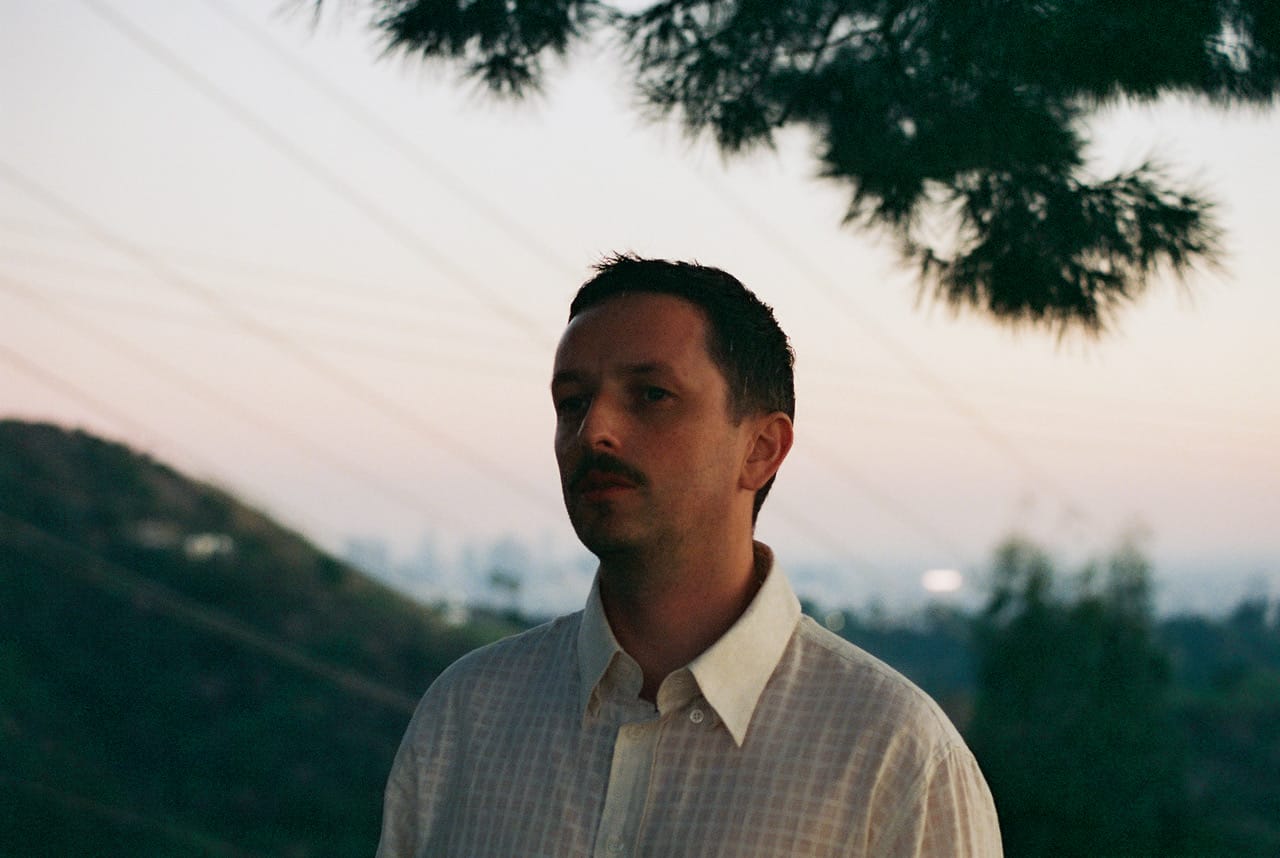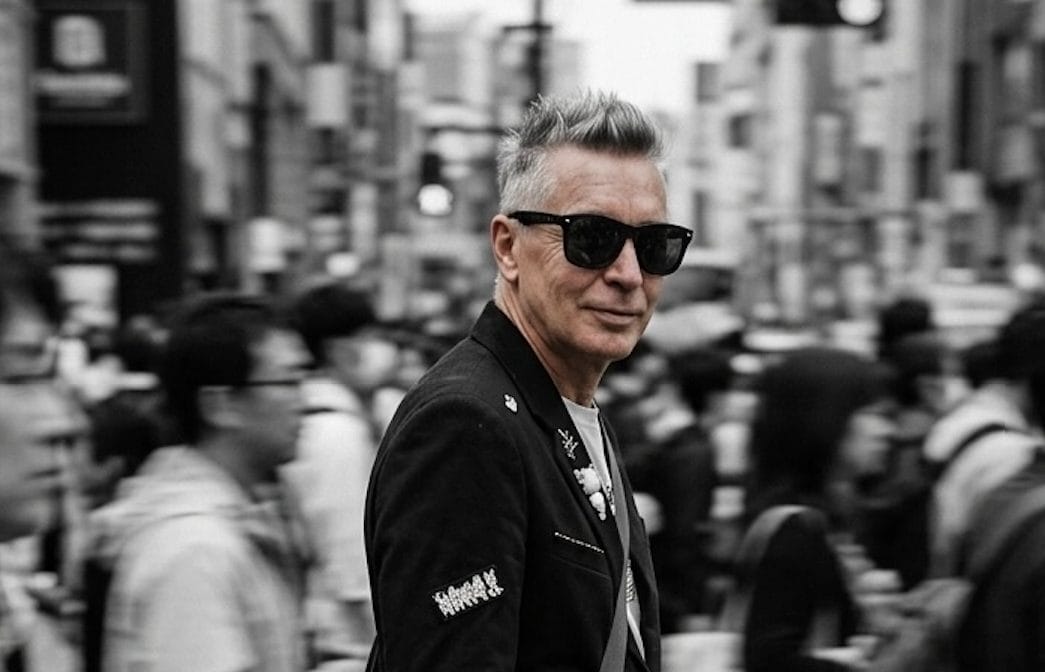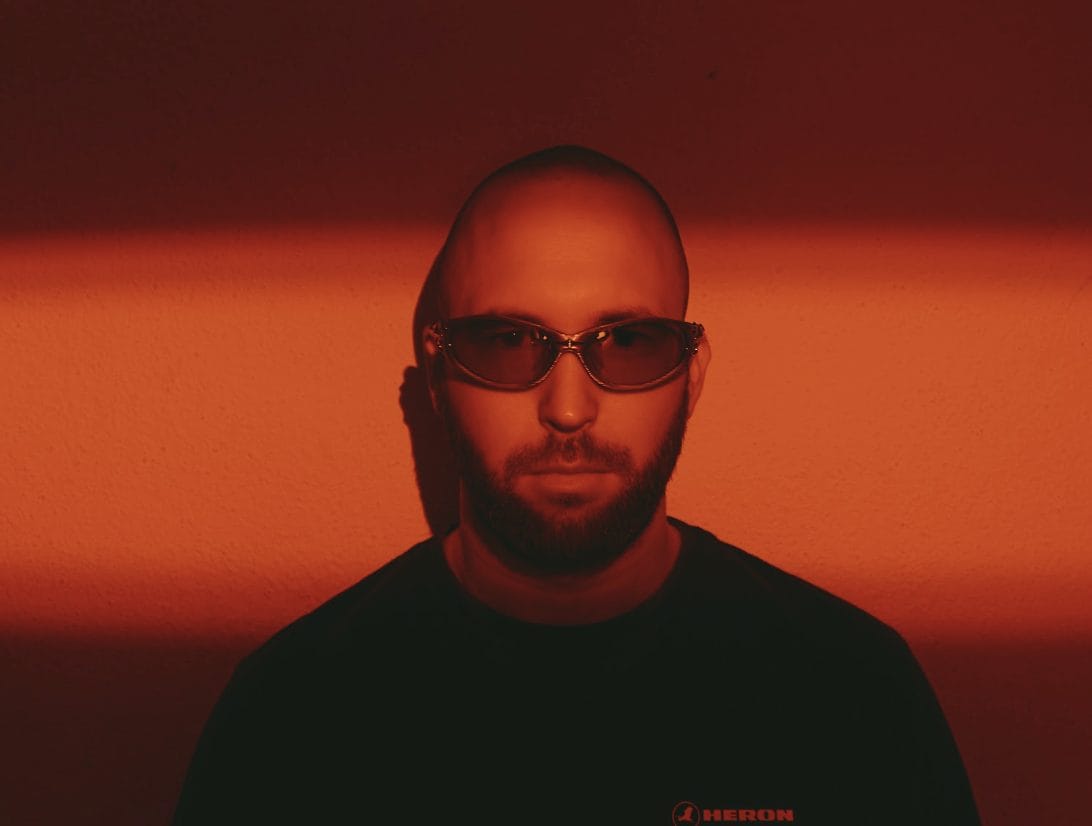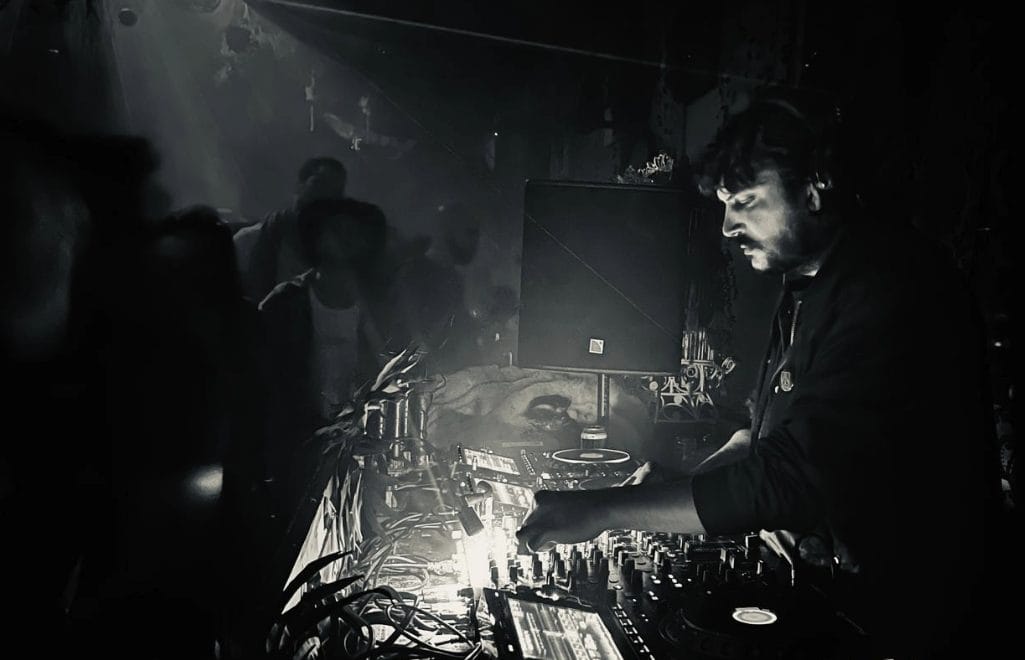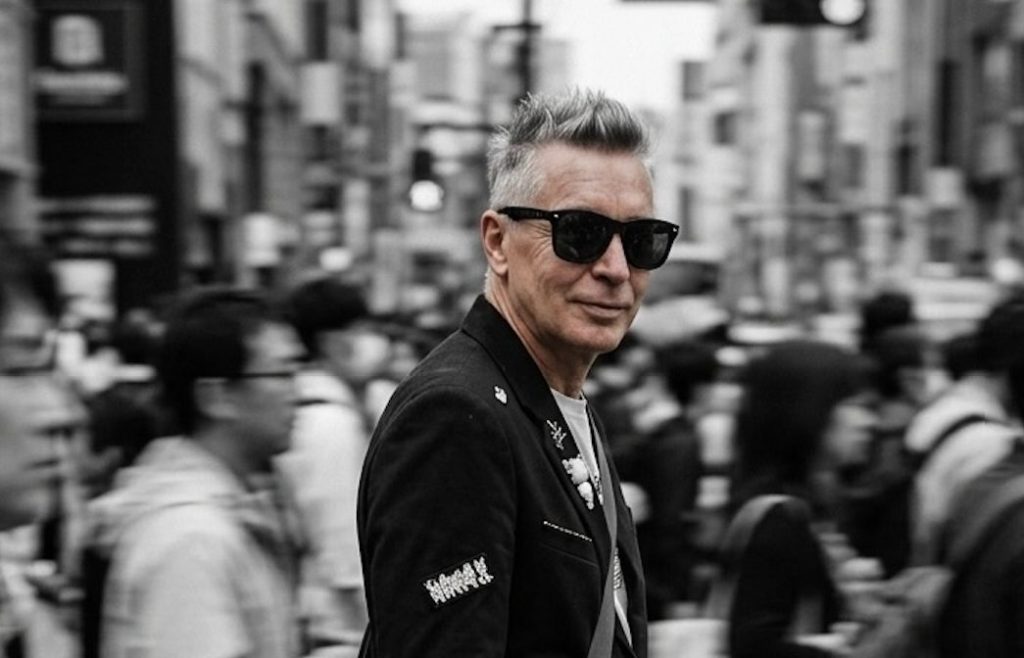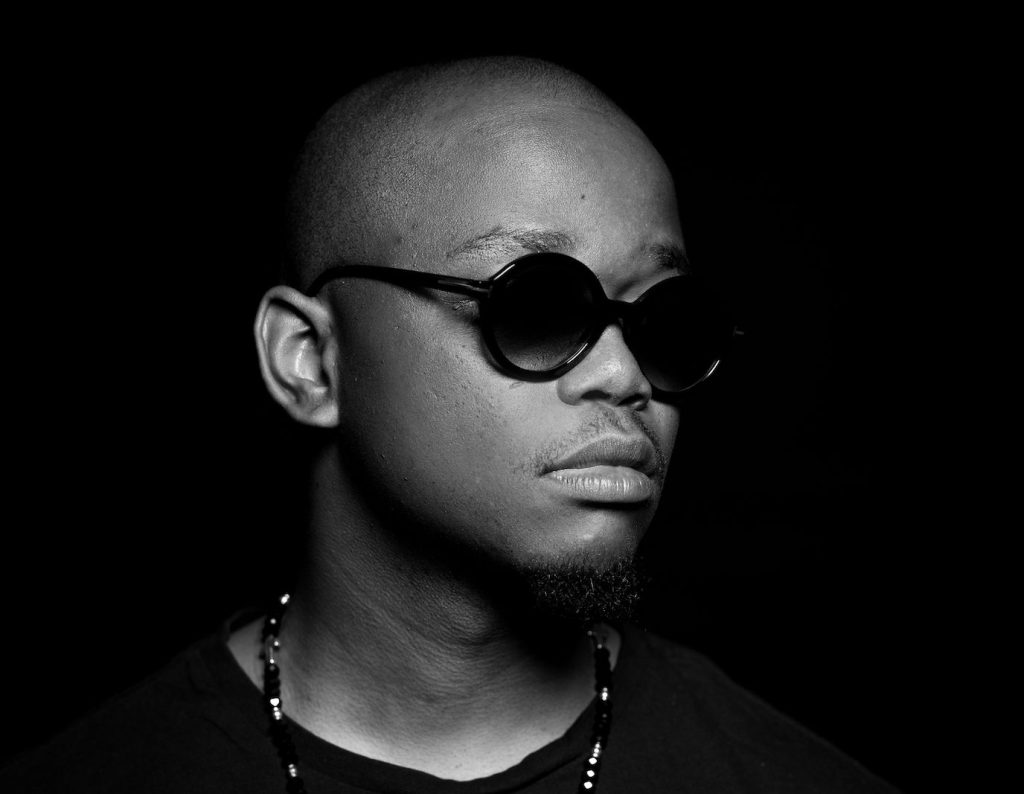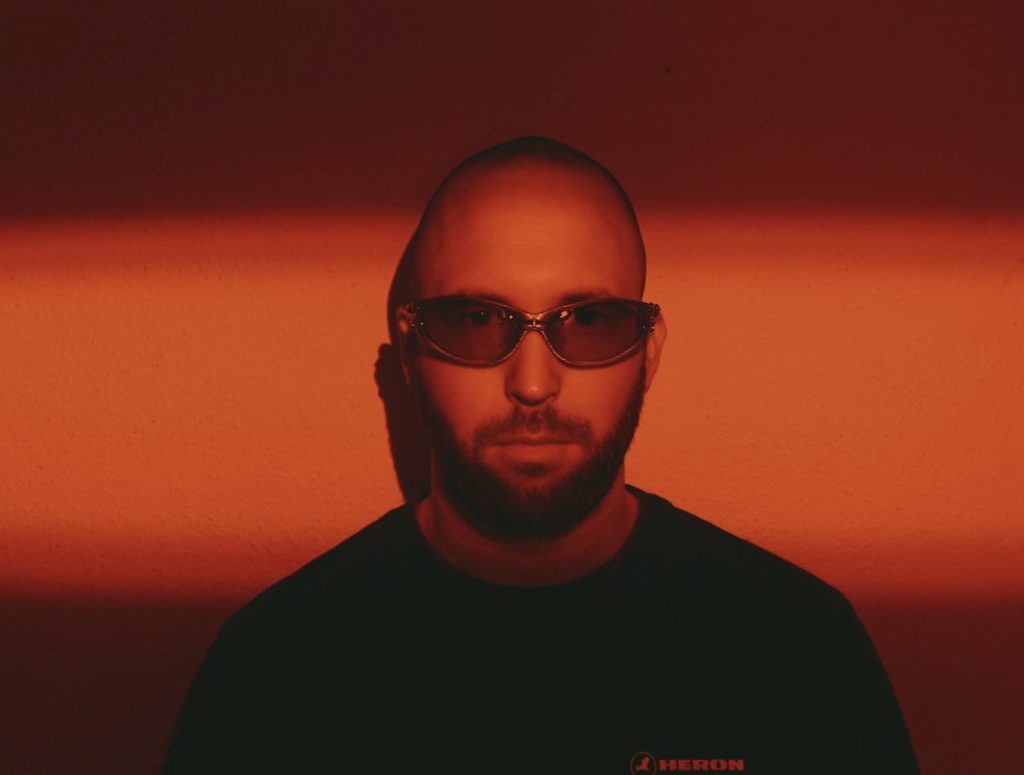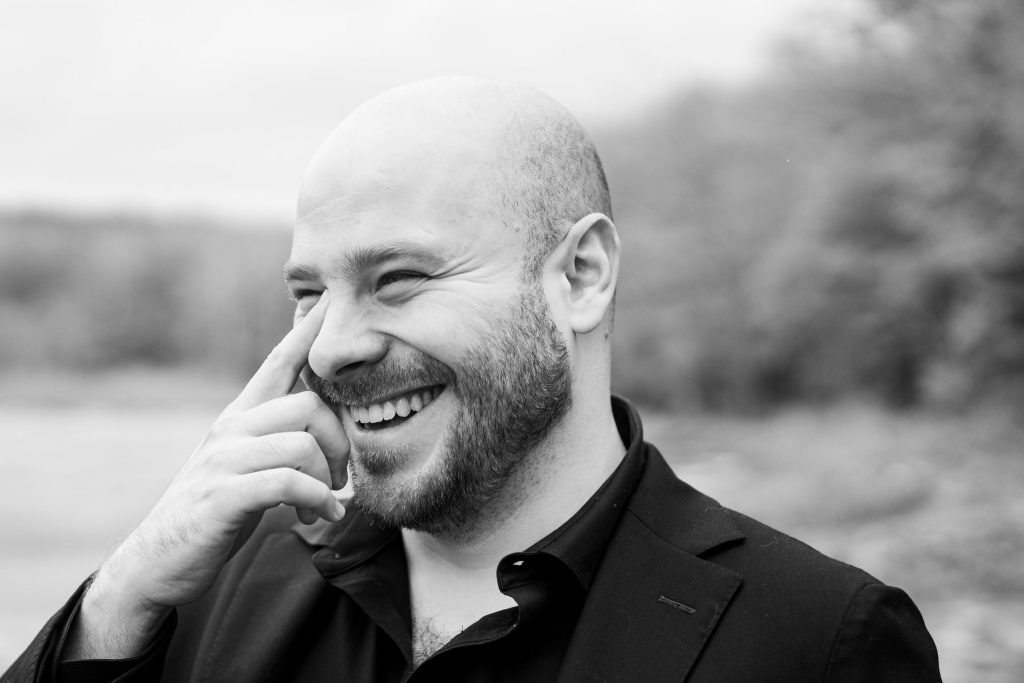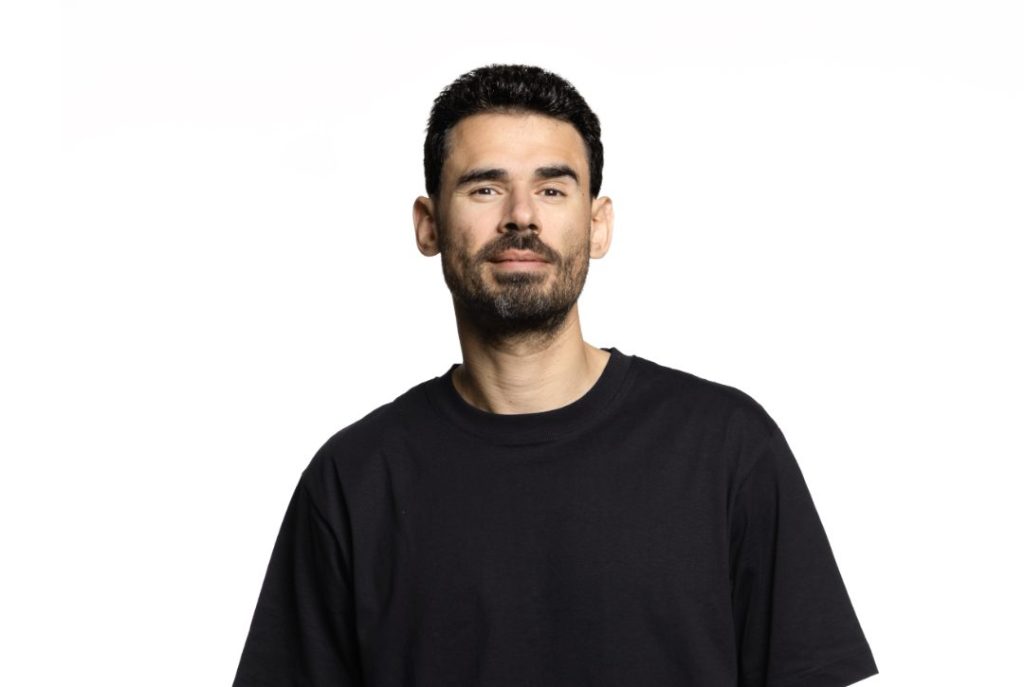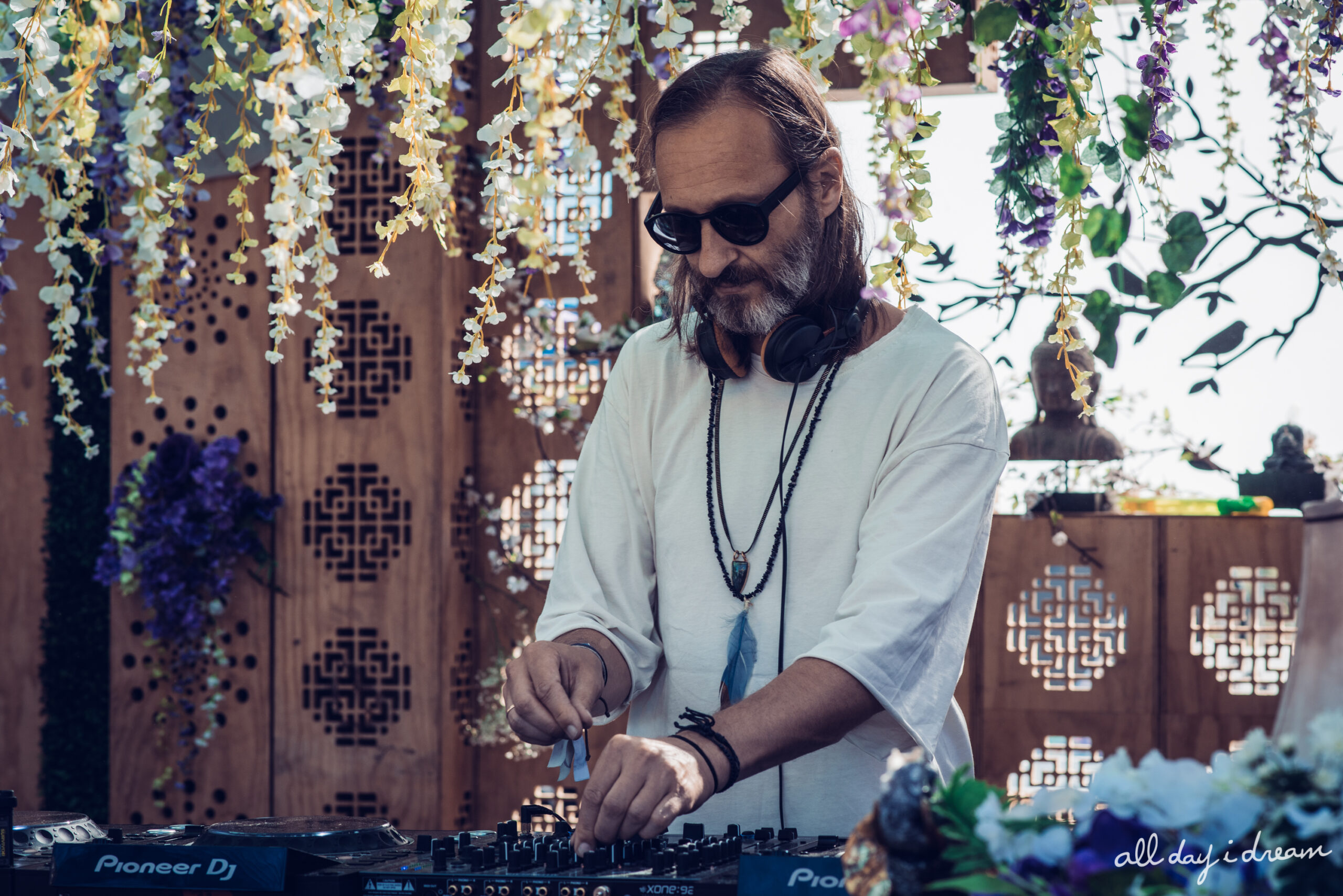
Hailing from Belgium, Lost Desert has emerged as one of the most alluring artists in the organic scene. His ability to harness natural soundscapes and magically fuse them with electronic music production is equally unprecedented and hypnotic. Lost Desert’s captivating stage presence, mixing skillset, and emotional creations paint pictures behind his listeners’ closed eyes.
Towards the end of 2022, while workshopping a variety of innovative releases, the artist was blindsinded with having to undergo open-heart surgery. The road to recovery has been one of many trials and tribulations for Lost Desert but he has prevailed and the momentum behind his project is now stronger than ever.
On top of finishing the third EP in his Lost Desert & Friends series, Lost Desert has started touring and forging mystifying ethnic house anthems again. We hopped on a video call with Lost Desert to discuss his inspiring return to music.
Eight months ago, you had to go under-go open-heart surgery and it was questionable if you would ever be able to record and perform music again. Did your passion for music play any role in your recovery process? What other influences in your life empowered you to fight to where you are today, completing your latest EP and now back on tour?
Music is my first love, always has been. It will continue to stay this way because I’ll be very unhappy if I cannot keep creating. After three months, I was back in the studio and slowly getting back into things. I started with one hour a day, which progressively built up with time.
Finishing the new EP was a goal that helped me get back on track and it also motivated me to focus more on my physique and train. It was a different atmosphere than before the open-heart surgery because I had to give up some vices that I know weren’t good for me, such as being in the studio for 14 hours on end.
My kids, wife, and extended family were extremely supportive and a big motivator for me as well. The people I worked and collaborated with on Lost Desert & Friends III played a substantial role in my recovery, too.
How has your open-heart surgery and recovery experience affected your view on life and the meaning behind Lost Desert?
Luckily, I didn’t have a heart attack, but it was certainly close. They found it just in time. The whole ordeal was a huge wake-up call and it also gives me a new perspective on life and music. Gigs are building up again and I really enjoy playing, however in regard to Lost Desert I am not as stressed about things as I was before. I have been enjoying the journey and treating every day as a blessing.
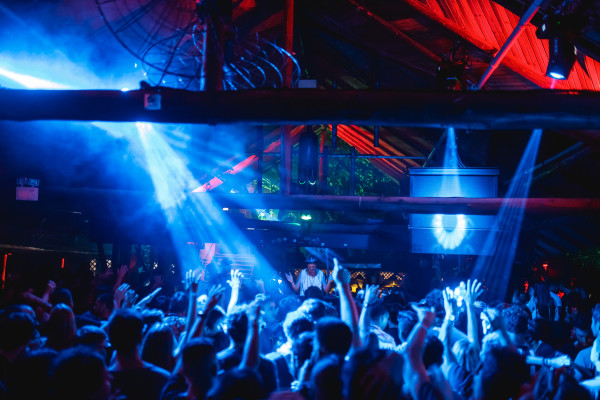
The last eight months have been somewhat of a struggle to get back on track but there were also some very high moments like playing at All Day I Dream‘s takeover at the Mirage. That venue and crowd was absolutely stunning, just unbelievable. The show was packed right from the beginning and the attendees danced the entire day into night.
In retrospect, I definitely enjoy the simple things in life more, like working out on my bike and playing rounds of golf. I cannot be in the studio like I was prior to the open-heart surgery, and I don’t want to. Taking breaks and looking out for my health actually allows me to be more focused and work faster.
Sometimes, if I start to lose focus, I will just take it easy for the rest of the day and hop back in the studio when I feel ready. Finding balance is the most important element to me right now. I have to keep healthy but make sure I am also productive.
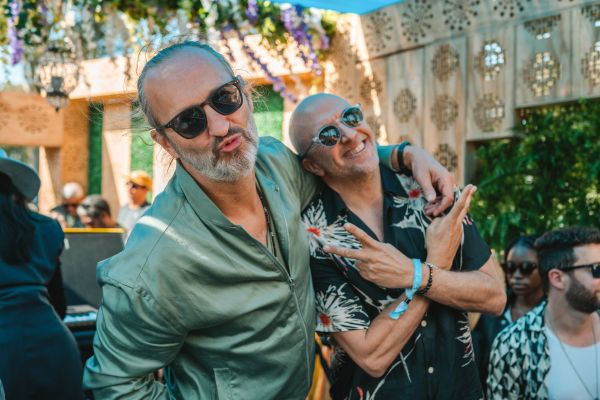
What inspired the overall idea for Lost Desert & Friends? Through the EP series, what kind of platform do you hope to provide for you and your collaborators when it comes to channeling your artistic visions?
It came together very organically; I had no intention of making it an EP series at first. I was simply just making music with my friends and ended up with four tracks that I thought sounded really nicely with one another. It made sense to call it exactly what it was: Lost Desert & Friends. The concept of the EP and soundscapes both fit well with that of All I Day I Dream. Both are all about expressing your artistic vision and doing that with like-minded, talented creatives.
How did you and Lee Burridge balance your individual tones of production and artist persona on “My Time with you”? What sparked the collab and the concept of the song?
I was writing this track on my own and coming up with some smaller ideas for it. The minute I found the vocal (from a very old sample pack), I tuned it and listened to the sample with the bassline. Almost immediately after, I sent the rough idea to Lee and told him this should be us. Lee came back with some idea and we worked it out as we have done so many times in the past.
He doesn’t even have to be here in the studio with me most of the time. That’s the beauty about the world we live in today and the technology we have access to. Lee can listen to it 20 times on the plane to his next gig, write down his thoughts, and send them to me. Then, I can make adjustments, send them back, and so on.
It is a common misconception that you have to be in the studio in order to co-produce on a track. There are plenty of imaginative and high-level producers that offer guidance on the direction should head in or ideas for sound design, then actually crafting them in the studio.
How were you able to center the whole track just around four words, while keeping the listener engaged and on their toes? What specific techniques were used to manipulate the lyrics in different ways to add color and depth to “My Time with you”?
Not much sound manipulation went on other than me tuning them up a bit. The lyrics were originally in another key. I just needed to make it fit better into the track because I had the bassline and drums. But the minute I found that vocal, I knew we had the full track.
Having those lifting chords [‘my time with you’] that bring happiness is sometimes all it takes to make a song. It invokes the memory of when you are looking into somebody’s eyes and both of you have a bright smile on your face.
“Mwinda” has a special hi-hat feeling. It was a bit inspired by a very old track by Ron Trent called “Altered States”. Occasionally, when I’m working on music, old songs will come to mind. I have to take set back and analyze why I thought of that particular track. In this case, it was because of the hi-hats.
I wanted to play similar notes to the ones from “Altered States” but with a slow release. Then I added a second layer to enhance the lead sound. Sometimes you can make magic with only using two or three layers. When you stop and think about it, no one has ever used those three layers before, and definitely not in the same orientation.
Once I had the hi-hats with the base of “Mwinda” it triggered Junior with the vocals. I helped with for them because I hummed how I thought they could sound and he loved it. I have been doing this for years now, where I will just get the vocal flow in my head and hum it without any words. I encourage professional and rising artists to do the same.
Just listen to the track you are working on and mumble or hum the vocal line that pops into your head. Sometimes it comes out good, sometimes it sounds ridiculous. Either way it is a positive result, whether putting it to use or getting a nice laugh about it. Not to mention that it can spark an idea for someone else who is in the studio with you. This is how I love to create.
“Dwokire”, with Madraas and Sofiya Nzau, encompasses a sound that is very ethnic and tribal-oriented. How were you able to layer percussion to create that feel for the song while complementing Sofiya’s voice?
First off, I would love to shout out Sophiya. She wrote the lyrics for “Dwokire” and recorded it. As soon as I heard her vocal, it was over. The talent of that girl is incredible! Additionally, the demo was very good by Madraas. The beat had been work shopped quite a bit to fit the vocal but it needed something extra.
I added the typical Desert vibe to that track. Shaping up the bassline and intro were my two main contributions to “Dwokire”. I had a percussionist come into my studio a few years ago and we recorded for a whole afternoon. I used one of the samples from that day in the track as well.
When it comes to adding unique layers of percussion to my projects in general, I have a lot of people ask me how I create certain sounds and progressions [proceeds to grab a regular-sized box and open it]. This is my “fun box” and I have all sorts of percussive instruments in here. [Grabs a handful of different seed packets from the box] These are what people are most surprised about until I show them the different sound that each one makes.
I was at a plant nursery and gardening store about 10 years ago, which had a full wall of seed packets. I forget what exactly I was looking for but as I grabbed one of the packets and rattled it a bit I was surprised by how cool it sounded. So then I grabbed another and shook it next to my ear. And another, and so on.
I ended up being in the store for half an hour shaking most of the packets and people were looking at me like “what the f*** is he doing?” [Shows me each packet — cilantro, oregano, basil, etc. — and they all had a one-of-a-kind sound]
What is the significance of using German as the title for your track “Liebe Dich”, which translates to “love you”. How is the title reflected throughout the song and the vibe it gives off?
So “My Time with you” was more about the happiness of looking into somebody’s eyes like I had mentioned. For example, when my wife is in the studio with me and we look at each other and smile. “Liebe Dich” is a love that can be shared with your partner or a friend. It’s a different kind of love.
Since I felt that “love you” and “love” had been used in tons of tracks already, I wanted to title it something a bit different. I’m from Belgium; Germany is right next door. I thought why not call it “Liebe Dich” instead of saying “love you” which in my opinion sounds less corny and overused. The title is simply reflected in the track because it felt lovely to listen to.
From your perspective, how has Lost Desert and Friends evolved from the first edition to now?
I don’t think the general idea has changed. It started as four tracks with good friends and it is still four tracks with good friends (well, technically three tracks with good friends, plus one more). Maybe the EP now sounds 5% better than the original, or 20% better. But to me, it really doesn’t matter.
At the end of the day, we are making dance music. It is not supposed to be completely and utterly perfect. Sometimes a sound will be too sharp or a layer will be a little too low, but that is the beauty in art. It is not always going to be perfect and that is okay; at certain times, I will even leave in my “mistakes” on a track, otherwise it would become too clinical.
There is a quote I love that goes, “Every work of art, is a moment in time.” Every release, every track that I create, is just a moment in time. The four tracks from Lost Desert & Friends III are this specific moment in time.
What similarities do you see between your taste in fashion, style of production, and musical identity?
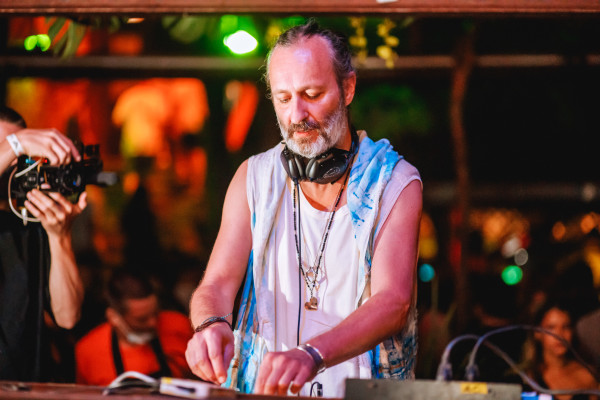
I was never interested in fashion, and in fact, I still feel this way. Right now, I’m pretty sure I am wearing a $5 t-shirt and $10 pair of shorts. I do have to give some credit to my wife because she is excellent at picking out my nicer outfits. Every year, I play in Mykonos and there’s a store there that is Tulum-inspired (Mexico) clothes. I always treat myself to one outfit when we go there so I now have about four from that store.
Also, in 2019 I was in Miami during Art Basel week for a festival. My wife and I were walking around the shops. I saw this hand-made coat, painted with white and light blue. I couldn’t let it go. That was the first time in my life that I had to have a piece of closing.
You are playing a set in the middle of a desert as a sandstorm approaches. What would be the perfect song for this scenario?
“Firedance”. My track with Simon Vuarambon and Sidhartha Siliceo.
What is your outlook on the future of melodic and ethnic house? Which country, region, or demographic would you like to see it grow its impact towards and why?
I would love to see it grow in Europe, specifically Belgium and the neighboring countries. This year on September 9th, we [All Day I Dream] was invited to do a takeover at Voodoo Village Festival in Belgium. Organic house is not at the top of most young people’s playlists in Belgium, the scene is mostly techno. So I am very thankful for this opportunity from Voodoo.
There is also a lot of growth for these genres happening in South America. All Day I Dream has been progressing and raising awareness for organic house for the last seven years now, and I have been a part of this journey for the last five. We are going to continue to evolve together.
What are your long-term goals and aspirations for your project? How do you plan to accomplish these objectives?
I am just going to take it day by day, release by release, show by show, and see where things take me. My main goal in life is to stay healthy; that is definitely number one. Regarding Lost Desert, I don’t like to make the same track twice. I like to shake things up a bit.
Maybe in the near future I will go a little bit heavier or faster with my sound, but whatever direction I go in it will still be Lost Desert. There are certain tracks I have created that gave me goosebumps and made me cry. I will continue to try to bring out those emotions in myself and in my work.
Which upcoming shows and events this year are you most looking forward to?
Before diving into the future, I want to thank everyone who made this third Lost Desert & Friends EP possible. Also, big shoutout to my fans who have been amazing throughout my career. And of course, thanks to my wife and kids for their constant support.
I am really looking forward to performing across Canada. I will play in Montreal, Toronto, and Quebec from July 21st to July 23rd. I am super excited to play my Do Not Sit On The Furniture show too. It is on Miami Beach on July 28th. There are many thrilling performances and projects that lie ahead for Lost Desert.

Raised in upstate New York, I was always a big fan of music but never really listened to electronic music. Within the first month of attending Florida State University and meeting some new friends, I was introduced to the rave scene. After seeing Ekali at my first show, I was instantly hooked. Since then, I have dived into every subgenre of electronic music, picked up DJing, and mixed for clubs and different entertainment events in Tallahassee. Once graduating with degrees in marketing and hospitality, I was hired for a sales position. However, I recently decided to leave my sales job to pursue my dream of working in the music industry. Currently, I run Magnetic Magazine's Melodic Techno Charts, along with my role as a PR and marketing specialist for different artists and labels. Some of my favorite artists are REZZ, Kyle Watson, TOBEHONEST, San Pacho, Josh Baker, HUGEL, ARTBAT, Vintage Culture, Ganja White Night, CamelPhat, Green Velvet, Jungle, Milky Chance, Paco Versailles, Franc Moody, and RÜFUS DU SOL. My favorite festivals are Hulaween (by far), EDC Orlando, and all the different venues during Miami Music Week. Outside of music, I love sports (especially hockey, soccer, tennis, basketball, and spike ball), going to the movies, working out, sushi, Chick-fil-A, food in general, and hanging with my dog Maui and my cat Loki. Feel free to reach out to me via my email or on IG, I love expanding my network of friends and business opportunities!