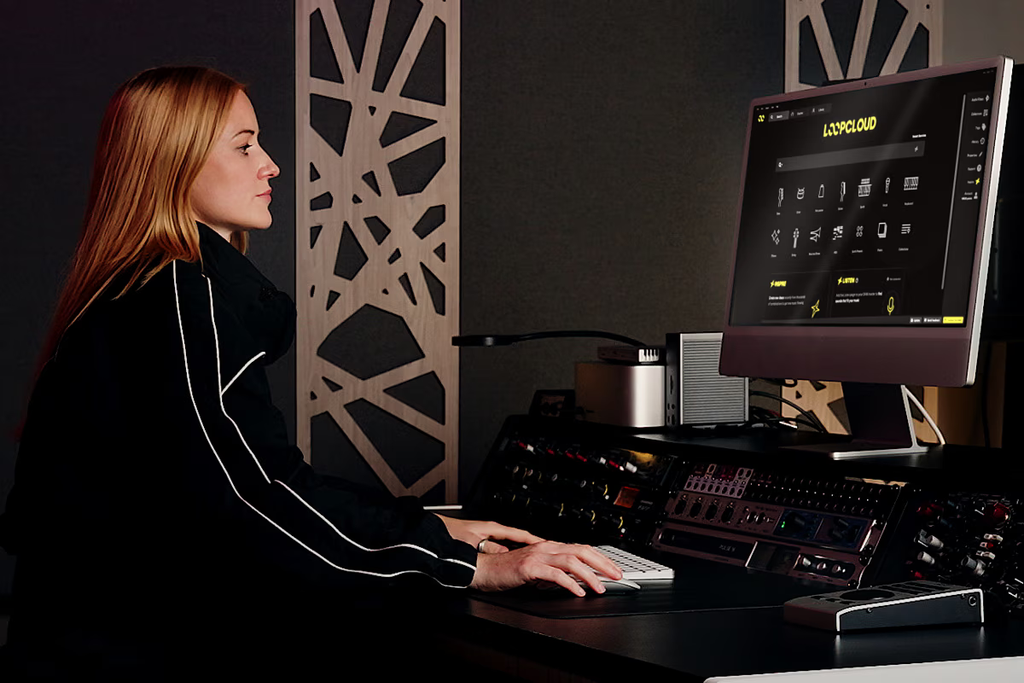
There are few demographics of music producers more hungry to make it happen and with more time to ensure that it does than college students. And with school around the corner, many music producers and musicians who became obsessed with the craft throughout high school are starry-eyed and excited to see all the new doors opening to them this new school year.
College campuses offer a massive amount of resources to help kickstart the early stages of your career in the music industry. But much on par with anything in the music industry, the best and most sought-after opportunities likely won’t be pinned to job boards at a coffee shop or recommended by career centers.
You need to find them for yourself and make the most out of them once you have found them. Seeing as our team has all been there, done that, and now works full-time in the music industry, here’s what worked for us and can help you get the most out of everything a college campus offers new and aspiring music producers.
Network With Professors

Most professors teaching anything related to music or the music industry don’t only teach. Few people across the entire music industry do solely one single thing, and teaching is often just one of the gigs your professors might have. What’s more, professors have office hours where you can go and chat directly with them about the course curriculum or pick their brains about whatever they do. After you graduate from college, finding similar opportunities to have 1-on-1 time with an industry professional to answer almost any question under the sun is almost unheard of, so take advantage of these opportunities as they come.
Remember that working in music is far more about who you know than what you know, and building relationships with professors can blossom into an entire network of connections if you know how to ask the right questions. Here are a handful of questions that you should be asking your professors during office hours:
- How did you get your start in your career?
- What type of work do you do outside of teaching?
- What do you love most about music?
- What types of opportunities are available for students like me?
- Do you have any advice for getting your name out there?
- Do you have any friends willing to chat with me about various opportunities?
- Where can I learn more about what you do in the industry?
- I want to do what you’re doing. How do I get there?
Note also that many teachers and educators on the campus are at your disposal, not just those you attend classes for. If you’re a music producer majoring in business, nothing stops you from reaching out to a professor in songwriting, keyboard playing, poetry, or more. The worst they can say is to tell you to enroll in their courses, but many professors rarely see students during office hours. They would welcome a conversation from an enthusiastic and hungry student regardless of their major or vocation.
Get An Internship That Matters

There is a lot of discussion around the industry about internships and whether they should be paid or unpaid. We aren’t here to weigh in on that matter, but we will argue for finding an internship that helps you somehow. The most significant part of the discussion about paid and unpaid internships is that many unpaid internships don’t offer students many opportunities outside of grunt work. Those are not the types of internships you want, but there are unpaid internships out there that are worth their weight in gold.
The two most challenging things to manage as a young music professional are meeting the right people and then having something to offer those artists or industry people who are in a position higher than yourself. But often, the suitable types of internships will give you both, and that is why content writing for websites in your niche is often the biggest defining X-factor of many working in the music industry. Granted, we are a bit biased here as everyone we work with got their start in electronic music media content writing. However, it’s undeniable that internships open countless doors; you need to be clever and resourceful enough to know what to do once the opportunities are there.
Student work and photography are other unique ways to get involved in the music industry, and such internships and opportunities can often be found by asking your professors that are rarely seen on campus job boards and career center listings. But these are often entry-level opportunities that provide some value to those you are working under while also putting you in the same room or space where you’ll meet people who can define your career later on. You’d be surprised to hear that photographers for Diplo and more were all found because they were doing entry-level work at a studio or stage, were at the right place doing good work at the right time, and were invited to come on tour, and their lives changed forever.
Get Involved With Campus Radio
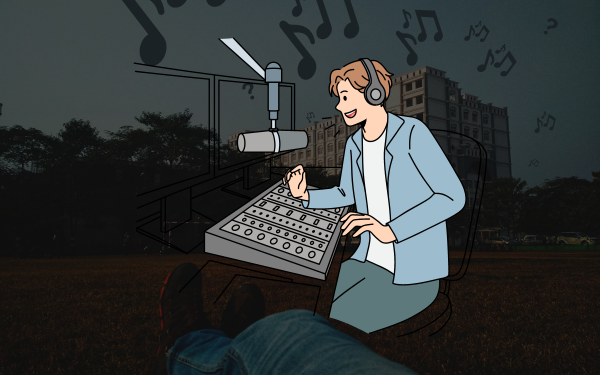
When we say to get involved, we don’t necessarily mean DJing, although it is highly encouraged. But being involved and having your name in those circles will help get some early and local support behind your music while also giving you insights into how radio works and what goes into hearing your music. Radio is far from the dominant way music is discovered, but it will still give you an insider’s appreciation for the hustle and finagling it takes to get your music into the ears that matter. Remember that those listening to campus radio stations are likely local students, AKA the ones most likely to come out to your shows.
Being a DJ on a campus radio station is also a fantastic way to land gigs and build a brand for yourself being a curator. Radio stations often throw their events on campus, giving slots for their DJs to play. Many of the world’s biggest DJs started doing campus radio, and doing what you can get involved with a local scene of like-minded music enthusiasts can be a great way to find a circle of people who love music as much as you do.
Start Throwing Events

Even if you don’t want to DJ, organizing and throwing parties on a college campus is almost a guaranteed business if you know how to do it. More importantly, throwing and throwing good parties will give you the experience you need to plan, execute, and manage events for the rest of your life. Many dream of opening a nightclub or starting a music festival but don’t have the skills to pull it off.
Starting small with campus parties and leveraging that success into city-wide prominence is a tried and true strategy used by some of the most successful entrepreneurs in the game.
Attend Workshops On Campus

Many schools are beginning to offer masterclasses, workshops, and other opportunities for their students to learn outside of the classroom. Even if you’re not in music school, you can find many opportunities to learn new music-related subjects, from production techniques to songwriting classes to lessons on playing new instruments.
We are not just talking about music-related workshops either. Anything that can boost your skills, from meditation workshops to literature clubs, should be on your radar. Even if it’s not directly related to music, you can find ways to boost your skillset and help you down the line in your career, including lyric writing and focusing on concentrating for extended studio sessions.
Meet Other Producers

Few places offer a unique environment like college to meet like-minded people passionate about music production. Collaborating with other producers can be a fantastic way to learn new techniques and foster partnerships that can lead to a successful career. Surrounding yourself with driven and inspired individuals will help you grow and can lead to opportunities and collaborations that define your future career.
Use Campus Studios
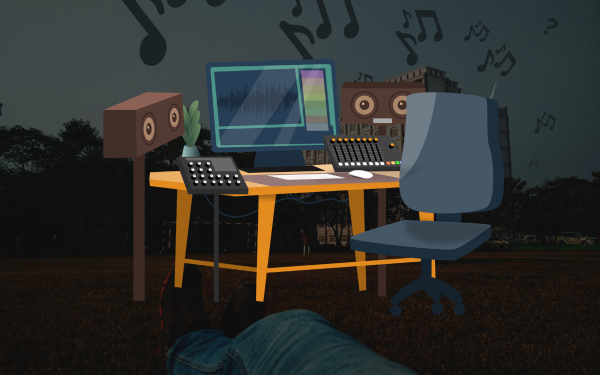
Most universities have music departments with full recording studios, and even those without music departments often have full studio setups for recording podcasts, interviews, and other audio projects. For example, campus radio stations often have full studios for recording interviews, which can be used to record music and sounds. If your university has a recording studio, you can ask a professor if they can allow you access or know someone who can. They might even know someone willing to guide you in using some hardware. Campus studios can be an incredible opportunity to work with analog gear and gain invaluable experience.
Take Advantage of Student Discounts

Lastly, we’d be remiss, not to mention the countless opportunities to take advantage of student discounts. Whether it’s software or even hardware and courses, many companies offer student discounts on essential music production tools, and even if it’s not listed, a quick email with proof of enrollment might get you access. Taking advantage of discounts will help you invest in the software and hardware you need to succeed in the industry without breaking the bank, ensuring you have the best possible start in your career.
Conclusion
The college years are more than a time for academic exploration. They are a unique window of opportunity to create the foundation for a successful music production career. By taking advantage of the numerous resources available on a college campus and building a solid network, aspiring music producers can lay the groundwork for success in the music industry. From networking with professors to taking advantage of student discounts, every opportunity on campus is a stepping stone toward a flourishing career.
Embrace this critical phase with an open mind and entrepreneurial spirit, and you’ll find that the transition from academia to the professional world is filled with potential and excitement.

Will Vance is a professional music producer who has been involved in the industry for the better part of a decade and has been the managing editor at Magnetic Magazine since mid-2022. In that time period, he has published thousands of articles on music production, industry think pieces and educational articles about the music industry. Over the last decade as a professional music producer, Will Vance has also ran multiple successful and highly respected record labels in the industry, including Where The Heart Is Records as well as having launched a new label with a focus on community through Magnetic Magazine. When not running these labels or producing his own music, Vance is likely writing for other top industry sites like Waves or the Hyperbits Masterclass or working on his upcoming book on mindfulness in music production. On the rare chance he's not thinking about music production, he's probably running a game of Dungeons and Dragons with his friends which he has been the dungeon master for for many years.