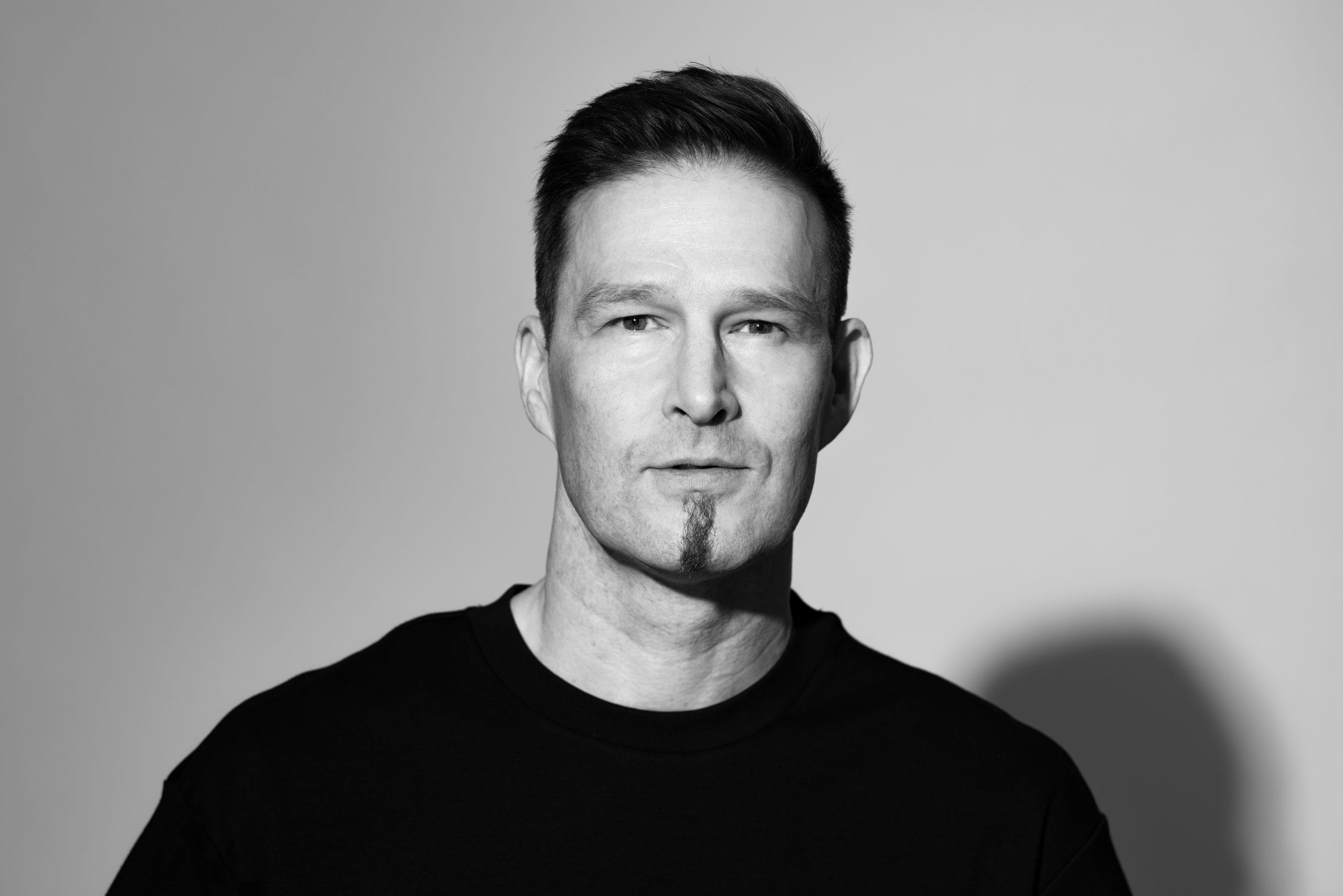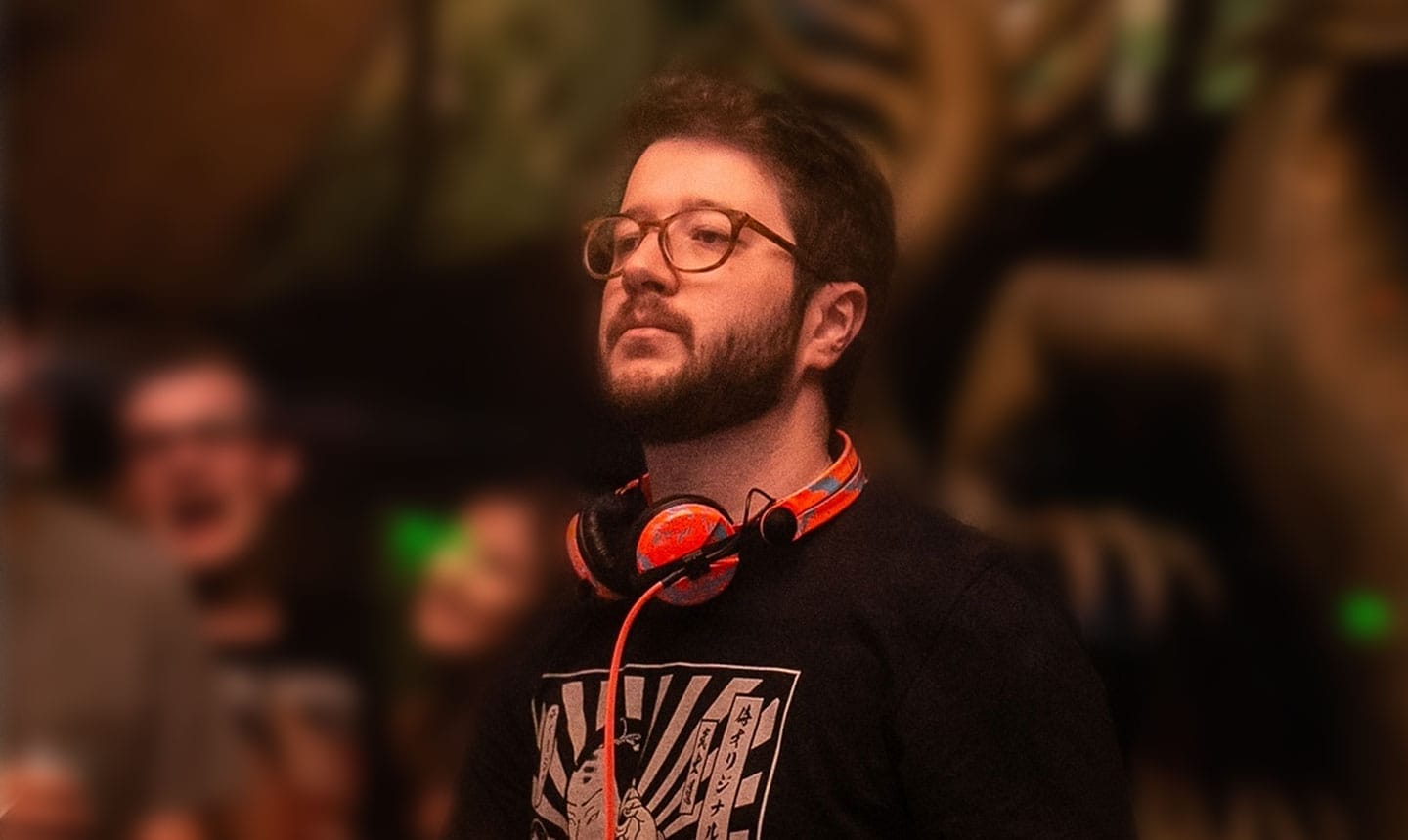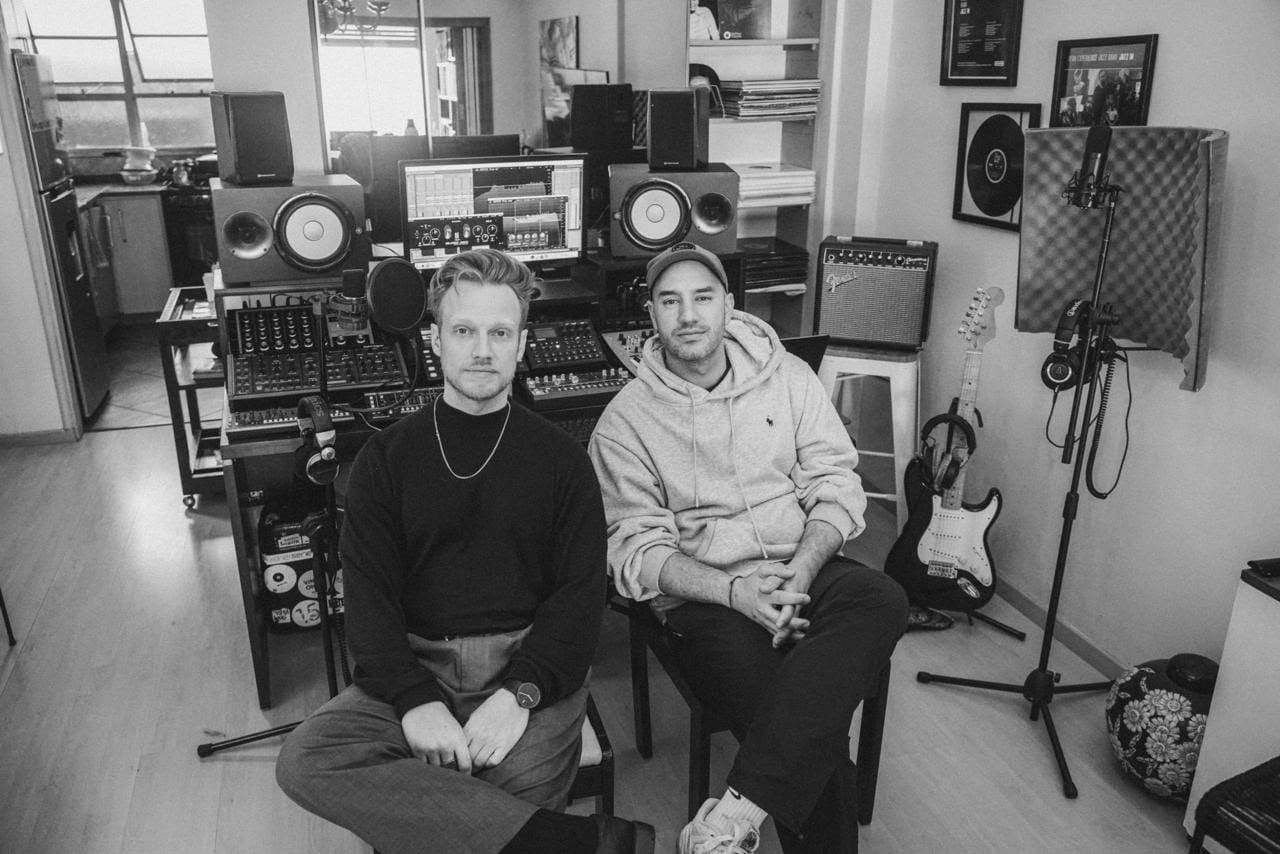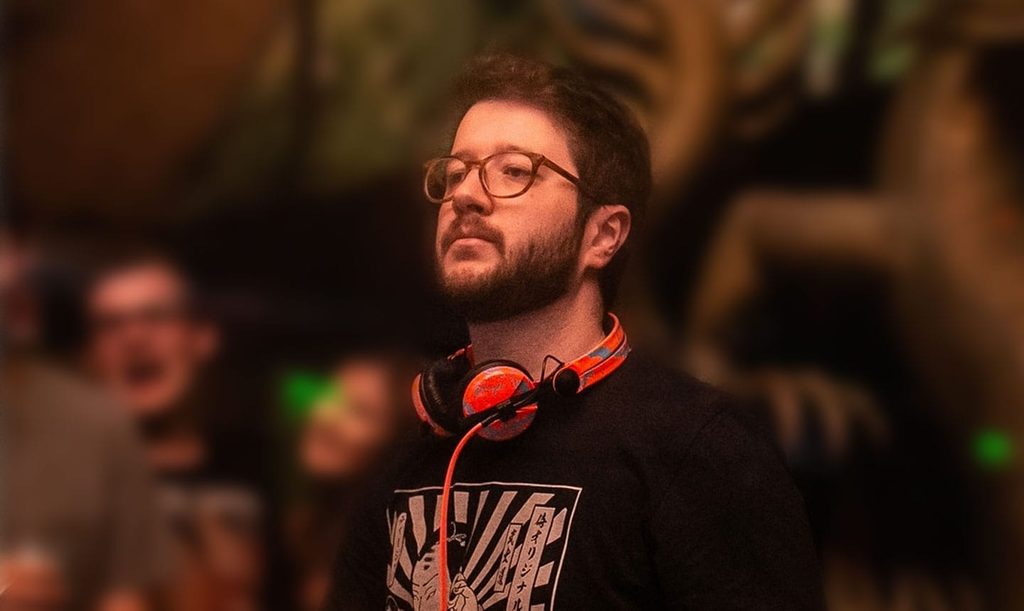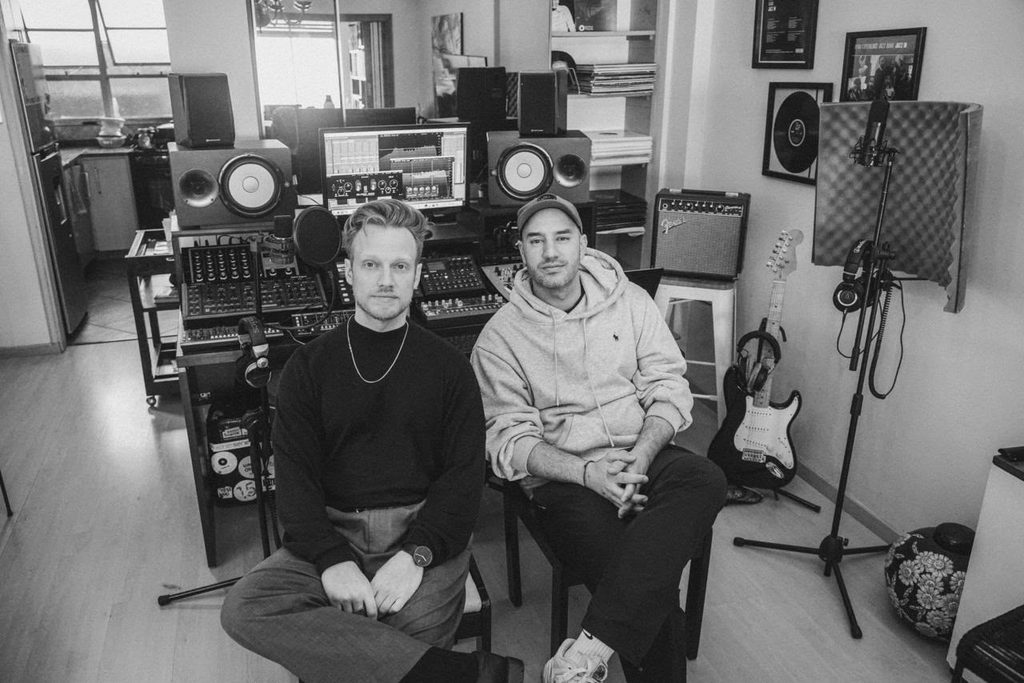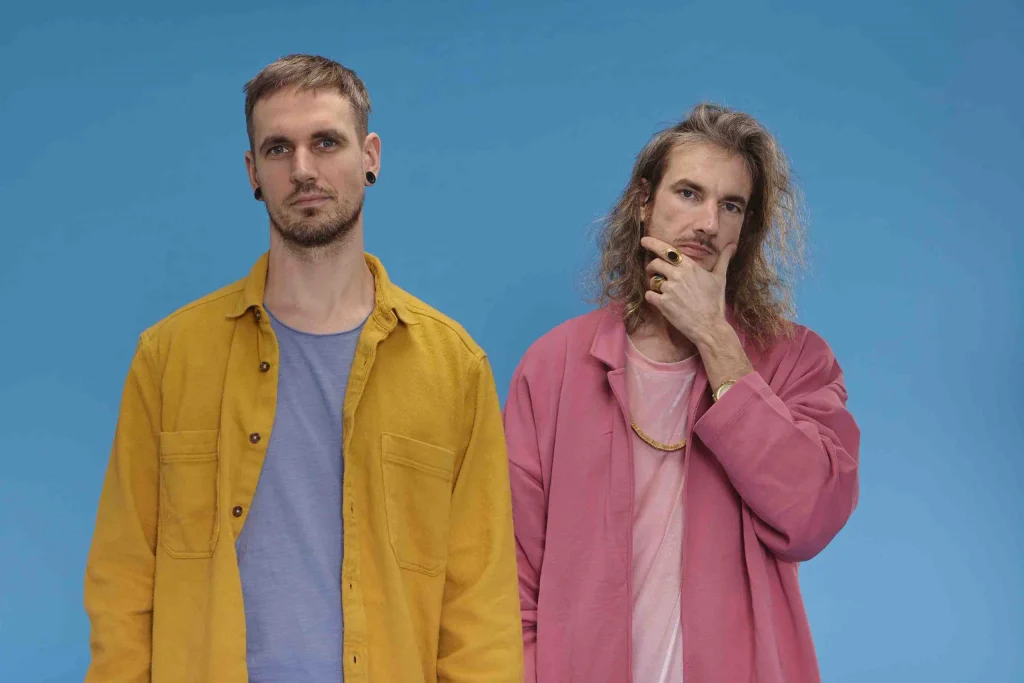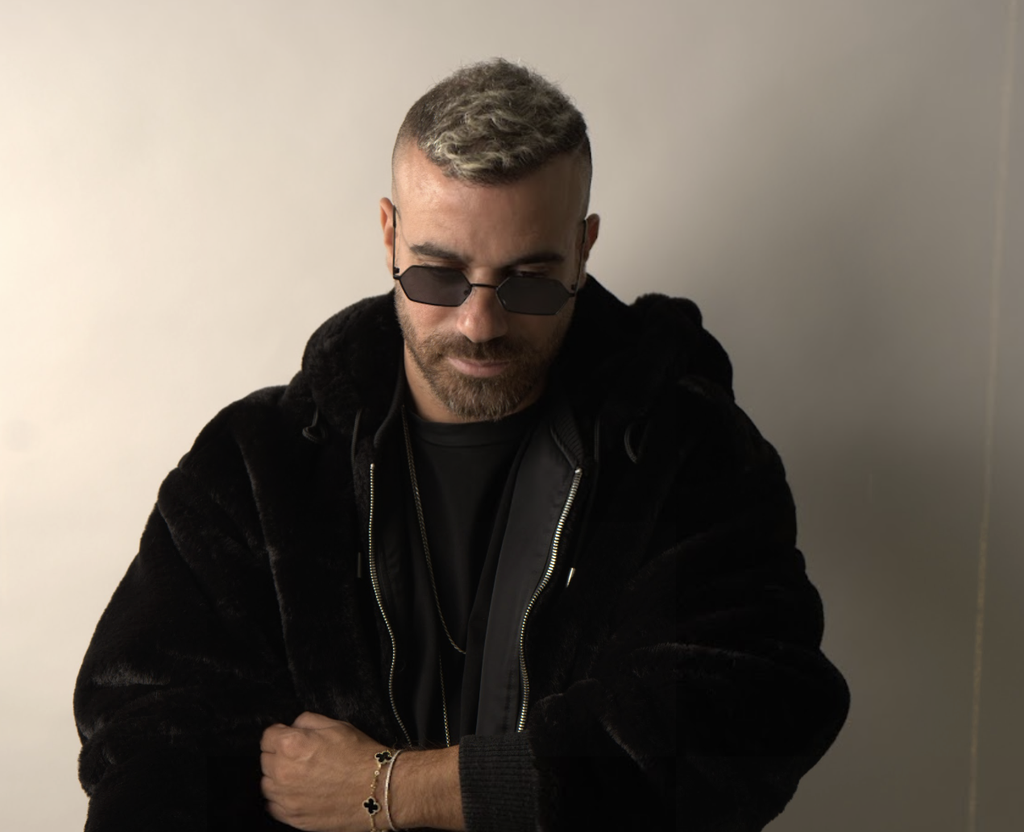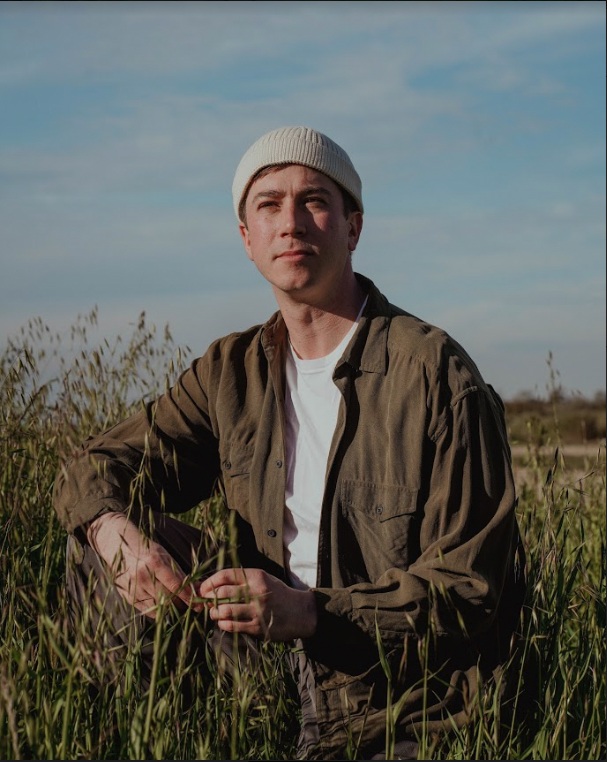
As we navigate the post-pandemic world, Canadian producer Jeff Hartford, ATTLAS, and British vocalist Richard Walters offer a fresh perspective on isolation, hope, and the human condition. Their debut album “Shapes In My Head” under the collaborative banner of Sun Lo is a beacon of transformative artistry, born amidst the social and professional uncertainties of lockdown. This dynamic duo, yet to meet in person, has intertwined their unique creative voices into an engaging narrative that reflects an AI protagonist’s isolation and the widespread frustrations and fear experienced during the pandemic.
“Shapes In My Head,” a product of their pandemic-induced digital partnership, is a testament to their creative synergy. From raw and unpolished demos, the project grew into a full-fledged musical exploration that doesn’t shy away from probing the dark corners of our shared experience.
The lyrics speak of a dystopian future and our trying present, yet they carry an uplifting undertone, suggesting a brighter future for the relationship between humans and technology. Walters’ ethereal voice and Hartford’s ability to blend the spheres of electronic music with the emotive qualities of singer-songwriter music make Sun Lo an innovative and compelling act to follow.
Can you describe how the concept of “Shapes In My Head” came about?
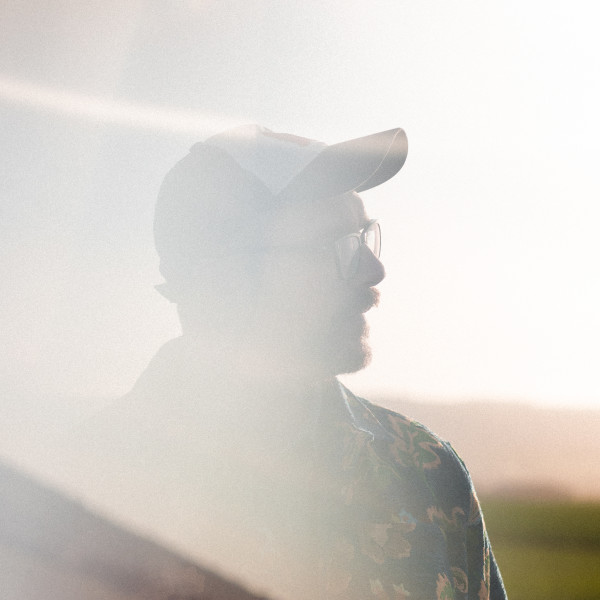
During the pandemic, there was a lot of sitting around. No shows, release strategies changed, no people to visit… the isolation wasn’t a great thing for my mind or heart. Richard reached out to me after hearing some of my music, and inquired about trying to write some music together. It was a lifeline for me – a reason to focus on projects instead of the uncertainty and fear in which I had wrapped myself up. I had piles and piles of demos of all shapes and sizes from years of writing.
Many of the tracks hadn’t really fit in with the releases I had done previously, labels weren’t interested, or the ideas just weren’t finished to the same level of polish as my released work. Richard’s songwriting and singing awoke a new life in these tracks, and it really snowballed from there. While initially hopeful for a collaboration or two, we realized quickly that we would have a solid collection of material. From there, it made more sense to give the project a new name, a sort of ‘box’ to put all this creativity in that would separate the work from our solo pursuits.
Sun Lo was born! Shapes In My Head was the very first track we did together, and it set the tone for the type of writing and production we aimed at – emotional, reflective, sincere, with washes of textures and atmospheres.
The lyrics reflect both the plight of an AI and the frustration of lockdown, can you elaborate on how you merged these themes?
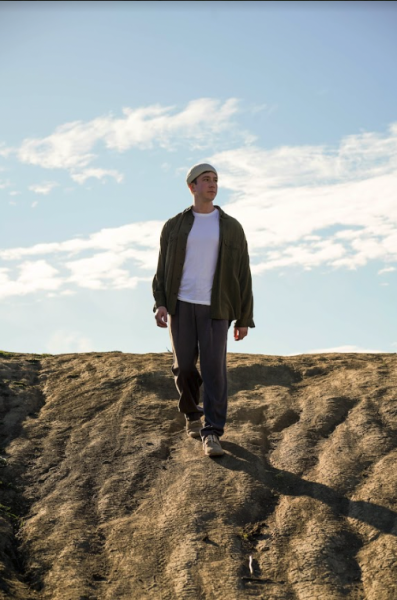
I can’t speak to the lyrical content, but I can definitely say that the writing was largely coming from a place of social isolation, financial and professional fear. The music I was listening to at the time reflected that. It was a lot of really foggy ambient, lo-fi, industrial, experimental stuff. Prince of Denmark, DJ Healer, Mount Shrine, Tim Hecker, that kind of stuff.
This was when the borders were closed, you couldn’t see your friends or family, and no vaccines were out. So definitely it infected my headspace, sense of myself, and the music. I mean even without a pandemic, I don’t think sitting alone in a windowless basement sleeping in a sleeping bag on the ground would make me a happy Jeff. So there was a lot of that influence in the way the demos began. However, Richard’s voice and lyrics shone a different light on the records, and they started sounding a bit more hopeful.
The world was changing but I felt stuck and lost, but I might as well do what I tell the world I can do, and that’s write music. As the album came closer to completion, things had opened up a bit more. Throughout the pandemic and album composition, I lived in three places. During the third and most recent, AI became a much much larger theme in almost all conversations of technology, art, and economics. While not overt in my approach to the composition, I couldn’t help but feel that the future of the creative landscape was about to change rapidly. In defiance of it all or maybe just because I didn’t know another way, I wrote to the best of my abilities. I can hear the human parts in my music. Melodic choices or arrangement decisions that only I could make.
Jeff, how did this project allow you to blend your interests in singer-songwriter music and electronic music?
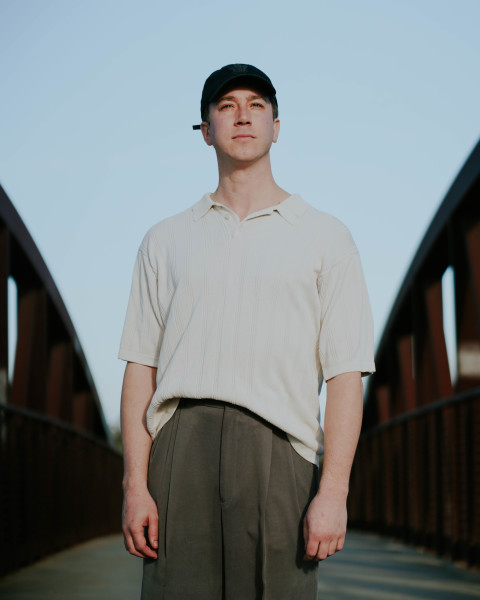
My background as a musician and a writer has always been singer-songwriter stuff. I was in every kind of band, did all the open mics, recorded folk and rock and punk records, sat at the piano every family party singing and playing all night. It’s my natural inclination to adopt and use those forms.
Even when I switched largely to electronic music as a focus, I think I still used those forms as the foundation for most of my writing. The difference was just different tools and instruments. Reflecting on it actually, maybe that’s why my stuff has never fit 100% in the club world. It’s just not a format and structure I feel I have given as much love and development as the more pop and compositional writing. I think that’s why we were able to get so much music done at a relatively brisk pace.
I spent a good amount of time listening to Richard’s other work, and knew just how to expand on his structures. It’s definitely electronic music with songwriting at the core of it, rather than a DJ-friendly club track with a topline hook. If you look through a lot of my work you’ll notice those patterns in the arrangements I build.
What are the future plans for Sun Lo? Is there any chance of a physical meeting and perhaps a live performance in the future?
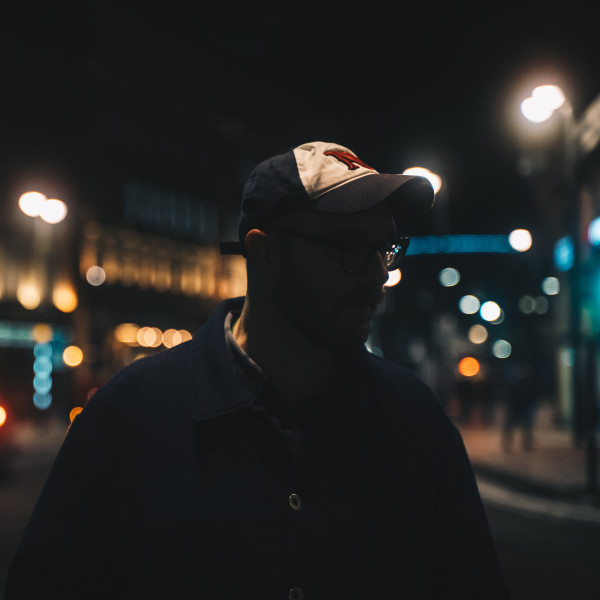
For a project that started just as a way to stay creatively engaged during a strange time, it’s pretty cool that we ended up with an album and a new band name and the support of a lovely label in Nettwerk. There was material written and performed that was left off the album, and there’s been more new original music written for it since.
We’ll always bounce ideas off one another the way we both like to work. We will always have our solo pursuits, but an interesting intersection happens when we combine ideas that I don’t think happens in our other projects. The hope is definitely to be in the same room together very soon. While we’ve continued to write and produce for the project since the album, I’m very interested in finding out how the writing process and end result will be influenced by being able to sit in a studio or at a piano or with a couple guitars. My suspicion is that it will feel a lot more like a band, and that’s how I envision the live side to evolve.
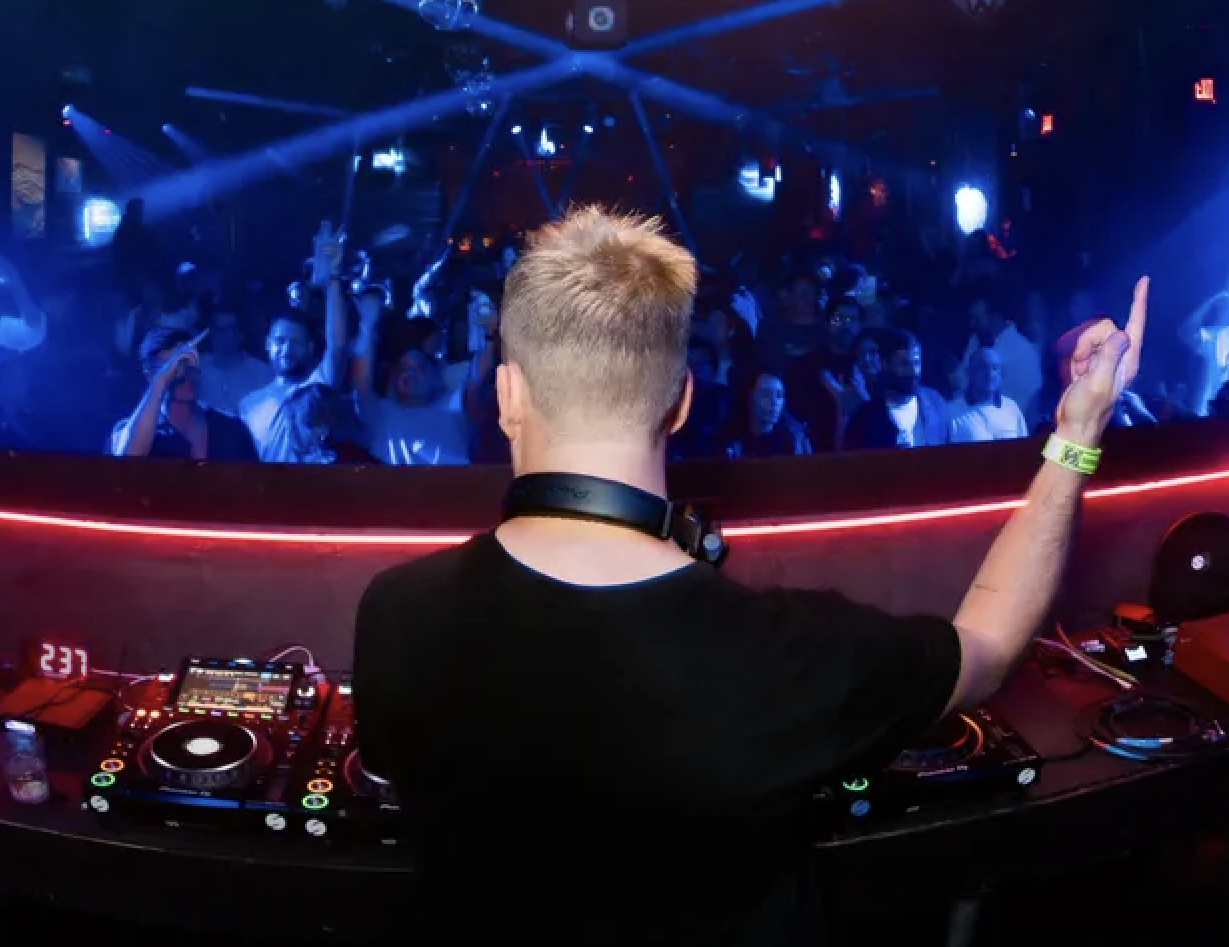
Once again using all the tools and performance equipment of the electronic world, I’m in, but presented a little closer to a live act versus a DJ. Who knows, maybe I’ll end up doing background vocals and harmonies. The music and the collaboration has been natural and comfortable and I can’t see that changing any time soon.

Magnetic byline note: This byline is used for staff produced updates and short announcements, often based on press materials and official release information. Editorial responsibility: David Ireland (Editor in Chief) and Will Vance (Managing Editor). About: https://magneticmag.com/about/ Masthead: https://magneticmag.com/masthead/ Contact: https://magneticmag.com/contact/