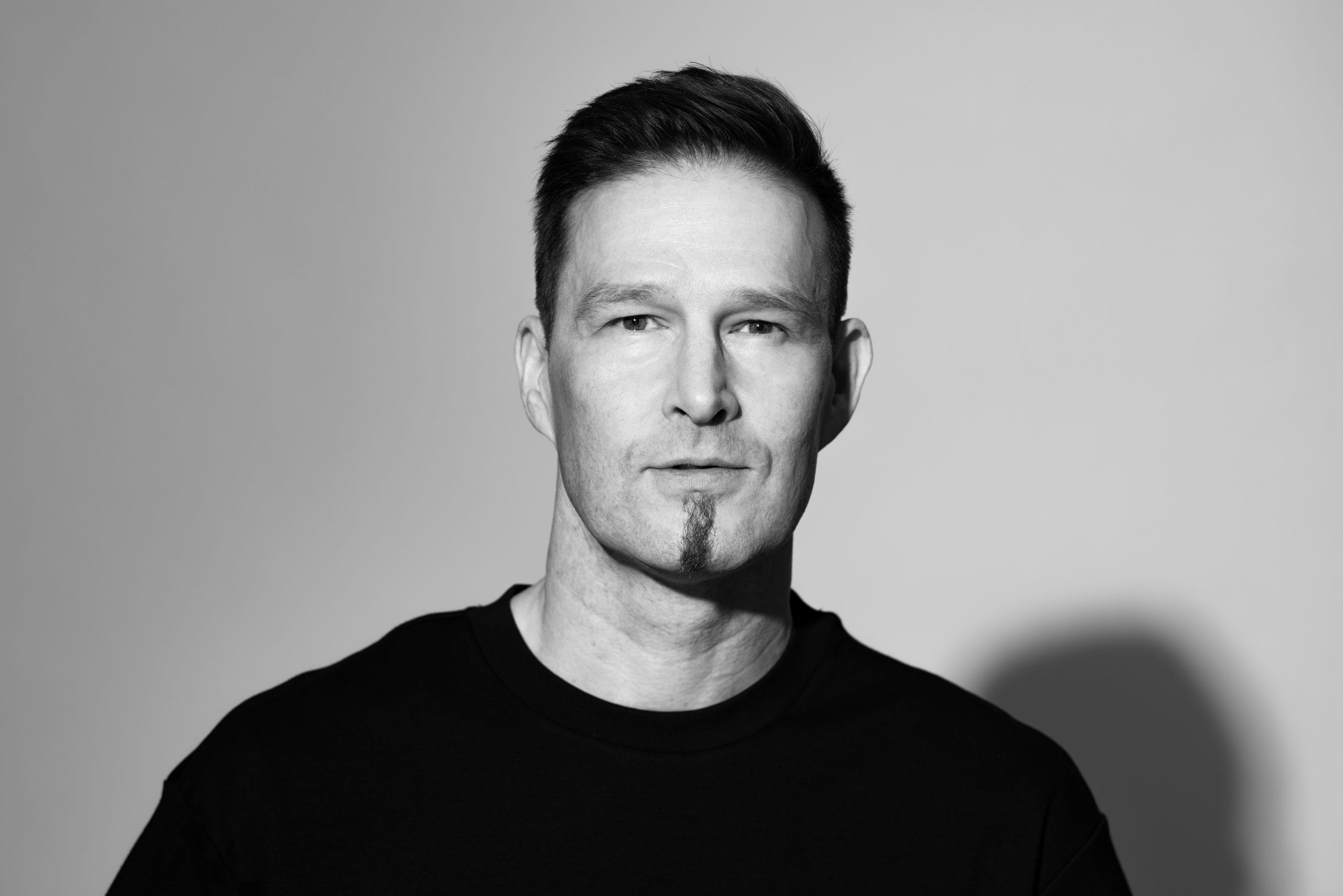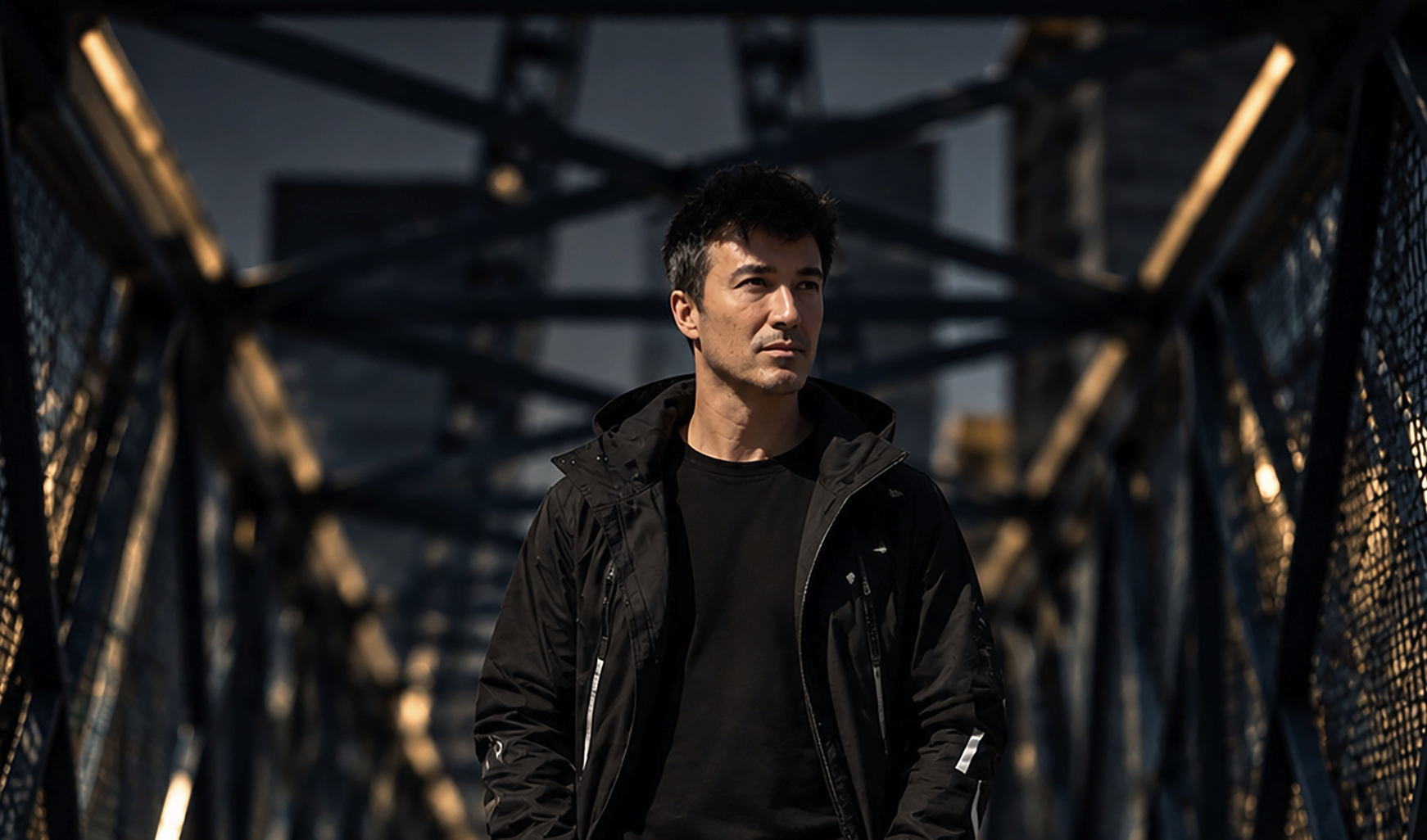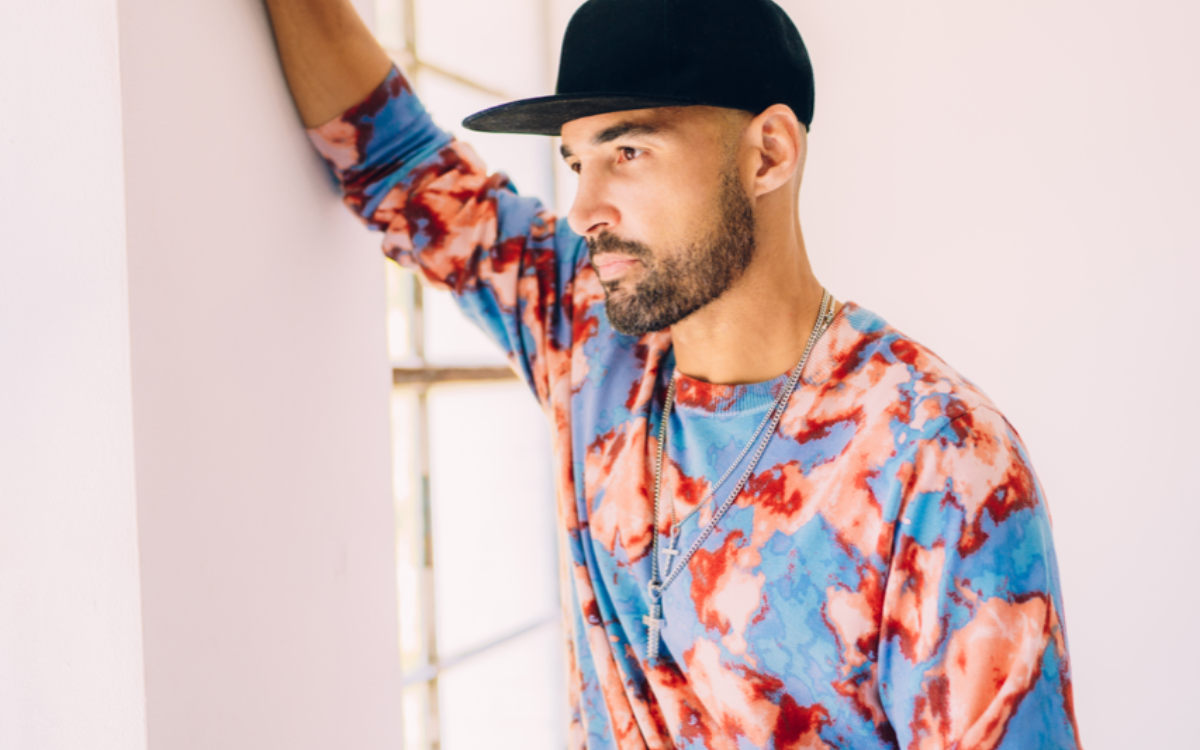
Few artists and Producers can leave a mark in the constantly evolving Electronic Dance music scene; hailing from East London with Argentinian roots, OFFAIAH’s meteoric rise in the Electronic music world is remarkable. Known for his deep, grooving basslines, infectious rolling drum patterns, and powerful productions, he has become synonymous with the Dance music scene’s contemporary sound.
Having made waves with chart-topping tracks and amassing over 200 million streams on leading streaming platforms, he not only cemented his place as a sought-after DJ and Producer but also as a signed artist of Defected Records; he continues to push boundaries and leave his legacy in the industry.
With a career spanning over two decades, OFFAIAH’s journey through the changing landscape of music production is a story of resilience, innovation, and a relentless pursuit of sonic excellence. In this exclusive “Music Production 101” interview, we delve deep into OFFAIAH’s creative process, production insights, and the secrets behind his signature sound.
OFFAIAH Online – Website | Instagram | Spotify
Hello OFFAIAH, how are you today?
Very good, thank you, how are you?
All good, thanks! Can you walk us through your typical music production process? How does a production usually start for you? Do you start with the drums or the melodic content? Maybe you should start somewhere else; we would love to hear how you approach new ideas.
It’s not always the same for every song, but I start with the kick drum and bass for most songs I produce. This process can take several days, as not every kick will go with every bass. I can spend ages carving out the perfect kick, only to find out further that it’s not working with the bass I chose or doesn’t quite suit the song.
So, there is a lot of back & forth when selecting the kick and bass. On some occasions, however, I’ll just be having a jam in the studio with some keys or synths and play out a riff or melody that I like, and then I’ll aim to build the entire production around that.
Every producer has their favorite tools and software. Could you share some of your essential production gear, software plugins, or instruments that you rely on to create your signature sound?
When I started producing, all of 23+ years ago, I started on Logic, which I stuck with for a good 15 years or so – but then I moved to Ableton Live and haven’t looked back – I find it’s way easier when working with audio clips especially when wanting to warp or manipulate them to fit the production I’m working on.
I keep plugins relatively simple, tending to use the same plugins for most productions, those being the Ableton stock compressor, glue, reverb, and delay. For EQ, I use the Fabfilter Pro Q3; for limiting, I use the Fabfilter L2; and for mastering, I use the Shadow Hills Oxford compressor, which runs through my UAD Apollo quad interface. I have the standard Yamaha NS10s for monitors, a pair of Genelec speakers, and a Genelec sub-woofer.
What was your first studio setup like? What gear did you get started with?
My first studio setup wasn’t too bad, as far as starting out goes – I had a PC running Emagic Logic 4, Akai s6000 sampler, Emagic midi controller, Korg M1, outboard Behringer compressors and gates, Alesis Midiverb reverb units, an Access Virus B synth, all going through a Behringer Eurodesk 24-channel mixing desk.
All quite pre-historic by today’s standards but it definitely got the job done.
What is one piece of software/hardware that you have continued to use in the music production process from the beginning until now?
The one piece of gear I still use now and again is the Virus B Synth – something about it sounds so cool; it has a very particular sound that I haven’t found in any soft synths of today.
How does your process usually look when working with vocalists? What do you find to be the most successful approach in studio sessions?
Most of my vocalist sessions of late have been done remotely, either over Zoom or by back-and-forth e-mail. In my earlier years of production, I’ve had the vocalists come to the studio so we can both work in the same room.
Both situations had their advantages and drawbacks, as some vocalists feel more comfortable working on an idea without the producer looking over their shoulder. In contrast, you can make tweaks on the fly when you’re in the same room with them. So, every situation is different.
The best results tend to happen when you have a good rapport with the vocalist and are both on the same page with the music.
Deep, grooving basslines and rolling drum patterns are part of your signature sound. What are the three main things you need to get that perfect kick and bass groove?
Firstly, the kick must have some weight to it while still being able to punch through the mix; you want to get those speakers vibrating!
Then, the bass has to have a particular resonance you can feel – when I’m working on basslines, I have to feel the bass all around me. Otherwise, I move on to the next idea! Then the groove, the way the bass and kick interact, along with some rhythmic sound or vocal loop, has to get your shoulders moving.
Once you have these three things, you have the basis for a good production.
Sampling has always been an iconic feature in the creation of Dance music and is a staple of the sound; what do you think of the new sampling wave through creative manipulation of AI programs?
I’ve tried a few AI programs, and, in my experience, they serve as another weapon in a producer’s arsenal – I’ve heard some pretty cool AI creations. However, for me, they form only the basis of an idea, and you would still need to build upon that idea to turn it into something decent.
Mixing and mastering are crucial aspects of music production; can you share some tips or techniques you use to achieve a polished and professional mix in your tracks?
When producing, I tend to mix the track as I go along, so when it comes to the final mixdown, there isn’t that much left to do. I always work at -6db, so I have plenty of headroom for mastering. Also, one of the most important things is to compare your productions to other commercially released music of the same genre and make sure yours sounds as good as, if not better, theirs.
When you started out, what was the one piece of advice/experimentation/learning you came across that changed your production process forever moving forward?
I think the most important thing I learned was to listen to as much music as possible and really start to hear every element of a production, break down every sound, and try to work out how they did that.
Trying to re-create a song I loved and getting it to sound just as good was great practice for me in the early years, and I would advise anyone starting in production to try doing the same thing.
Many aspiring producers struggle with creative blocks. How do you overcome creative stagnation, and are there any tricks you use to reignite your inspiration?

I’m very familiar with this, and every artist goes through a creative block at some stage in their career. I don’t think there is one solution to this – sometimes I see creative block as a kind of logical problem, and I’m the type of person who will work and work away at a problem until it’s solved, no matter how long it takes – I’ve done 24hr+ non-stop studio sessions in the past to give you an idea.
On the other hand, stepping away from the situation completely and going for a walk, running, or even taking a shower can free your mind of creative block, and suddenly, ideas will pop into your head that you never saw coming. The key is to understand that it’s not uncommon and to persevere.
Collaboration has a significant role in the music industry; could you tell us about your experiences collaborating with other artists and how you approach collaborative projects differently from solo productions?
Collabs can be a lot of fun. It’s good to collaborate as you learn things like production tips, for example, that you would never have known about.
I’ve collaborated with other artists in the studio, for example, Chris Lake, and it was great working with him as it gave me the confidence to take risks with certain new sounds, especially if we are both “feeling it.” I’ve also worked with the artist known as Example and went on to make a #1 hit from our collaborative efforts – we got together in my studio and went over a ton of ideas over a few hours, then got to work on the track, and it worked beautifully.
If you both have a great rapport, collaboration can make great things happen.
Technology and production techniques are constantly evolving; how do you stay up-to-date with the latest trends and innovations in music production, and do you have any advice for aspiring producers looking to keep their skills current?
I watch many YouTube videos on production and tend to keep up to date that way. There’s a whole wealth of knowledge and information there, which hugely benefits any DJ or Producer.
What is the main thing you hear in novice/beginner Producers’ productions that should be avoided if they want to grow technically as producers?
One thing I hear from some novice producers is that they want to sound just like a particular DJ or Producer, so everything they produce sounds like someone else. My advice is to take inspiration from your favorite producers and DJs but ultimately find your unique sound, which will be your most significant selling point.
We finished this interview with OFFAIAH, thanking him for talking with us and sharing what happens in the studio, his production techniques, tricks, and insights. With his commitment to innovation and ongoing learning, OFFAIAH remains a prominent figure in the changing landscape of Electronic Dance music, and we look forward to his future musical endeavors.

Magnetic byline note: This byline is used for staff produced updates and short announcements, often based on press materials and official release information. Editorial responsibility: David Ireland (Editor in Chief) and Will Vance (Managing Editor). About: https://magneticmag.com/about/ Masthead: https://magneticmag.com/masthead/ Contact: https://magneticmag.com/contact/