Mixing a record is as much a creative act as it is a technical one, and getting the most out of these two aspects of the process is what separates the professionals from the hobbyists. It’s all about the nuanced shifts and layers transforming a track from simply ‘good’ to genuinely captivating. Whether you’re wrestling with send channels or failing to maximize the potential of plugins like SuperPlate, it’s time to level up your approach to create vibrant, dynamic mixdowns.
In a modern age teeming with software and automation options, staying ahead of the curve means more than merely knowing the tools; it’s about how you use them to your advantage that defines your unique sound as an artist and creative. The untapped potential lies in the details: modulation, EQ automation, and the transformative power of effects like saturation and reverb. Uncover how you can turn your stale and lifeless production into a living, breathing piece of music in this essential guide to adding movement to your productions.
Creating Subtle Movement In The Background
The difference between a mixdown by a talented amateur and a seasoned professional often boils down to the nuances. What usually holds amateurs back from detailed mixdowns is not knowing where to focus or how to be detail-oriented. Knowing is more than half the battle; let’s explore some layers in a mix where introducing subtle movement can make a dull mixdown come alive with color and energy.
Ever-Changing Atmospheres
A game-changer for our mixdowns has been giving send and auxiliary channels the attention they deserve, treating them almost as instruments in their own right. Many producers add reverb to a send, dial in the level, and consider the job done. Although this can yield decent results, it fails to tap into the full potential of enhancing the mix.
Just a year ago, our advice would’ve been to include modulations, automation, EQs, and more in an extended processing chain to enrich the reverb on your send channels. These changes would bring subtle movements and modulations to your track’s background reverbs. However, there’s a more efficient and effective way now.
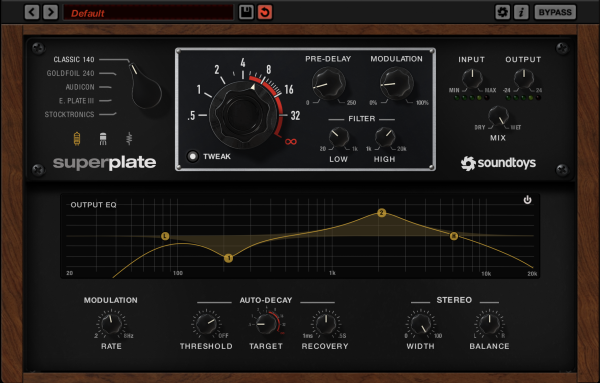
Soundtoys’ latest plugin, SuperPlate, incorporates a range of modulation features directly within it. It has quickly become our preferred tool for creating reverb sends that add depth and modulation to the reverbs on our send and auxiliary channels.
With a suite of features, including Modulation Rate, Auto-Decay, and Modulation Amount, SuperPlate handles most of the heavy lifting needed to add subtle and dynamic movement to a track’s reverb. This makes the “space” in which the music plays feel as alive and authentic as possible. SuperPlate works exceptionally well but is an excellent starting point for adding further effects. For example, you can incorporate a Phaser to achieve hazy, shoegaze-like textural movement or an Overdrive effect for a more industrial tonality.
Snag SuperPlate For Yourself Here
Why Automation Is Essential

If there’s one thing we’ve learned about injecting life and movement into tracks, it’s the indispensable role of automation. If we could gauge the evolution of a producer’s skill level definitively, it would be through the extent of automation used in their tracks. Automation transforms static soundscapes into dynamic, engaging musical experiences.
But why is automation crucial, especially when crafting tracks that captivate and move listeners? Let’s dissect this.
Elevates Dynamic Range
Music is inherently dynamic. Fluctuating volume levels, EQ adjustments, and changing timbres in instruments constitute the heartbeat of any track. Automation refines these elements. It’s not merely about setting levels but evolving them dynamically.
Volume automation is a powerful technique analogous to ‘riding the faders’ in traditional analog setups. It lets you highlight dramatic moments or mellow the intensity, adding professionalism to your tracks. This technique lets you bring elements in and out of focus, empowering producers to direct listeners’ attention through the composition.
Brings Precision to Frequency Spectrum
Effective EQ automation can make or break a mix. Employing high-pass and low-pass filters helps carve out space, particularly in cluttered low/mid-range frequencies, which is invaluable for transitions like build-ups to drops.
Automating EQ adjustments allows you to alter the sonic profile of each track in real time, enabling the mix to breathe. For instance, boosting the high-shelf EQ on a lead can amplify its brightness during the chorus. Disabling the low cut on a pad can suddenly enrich the low end during a breakdown, especially when the bass and kick are absent. EQ automation ensures the mix remains full and dynamic.
Adds Character with Saturation
Saturation is more than a ‘set-and-forget’ tool; it’s a dynamic asset. Automating saturation levels can add evolving warmth to your music, allowing you to tailor the mood from subtle to intense, offering an enriched auditory experience.
Increasing the saturation on robust elements like drums or leads at the peak moments of a track can significantly elevate energy levels. Even a 10% drive boost on Decapitator during a drop can add extra bite and attitude to the choruses, enhancing the emotional peaks in the most impactful way.
Snag Decapitator Here

4. Manages the Space and Time with Delay and Reverb
Delay and reverb are more than gloss; they’re essential for shaping your sonic environment. Automating these effects lets you control when they take center stage or blend into the mix. This precise management enriches particular segments or transitions, making them resonate more effectively with your audience.
Whether adding haunting echoes to vocals or spatial depth to a drum break, automation ensures delay and reverb serve functional roles, enhancing the experience without overshadowing core elements.
5. Enhances Stereo Imaging
Stereo width and panning extend beyond technical jargon; they’re artistic decisions that impact the listener’s experience. Automation transforms stereo imaging from a static condition into a dynamic story.
By navigating the stereo field—through subtle lateral shifts or dramatic sweeps—you craft a more enveloping audio environment. Whether it’s an acoustic guitar gently panning from left to right or a complex synth pattern that wraps around the listener, automation acts as your director, adding nuanced depth to your mix.
Special Mentions: Making Instruments Expressive
In software instruments, automation takes on a new dimension—expressiveness. Whether it’s the velocity settings in a MIDI track or ADSR parameters in a synth, automation can turn an uninspiring performance into something lifelike. It’s akin to seasoning in cooking; its absence becomes painfully obvious, revealing a bland, uninteresting result.
Arrangement Matters
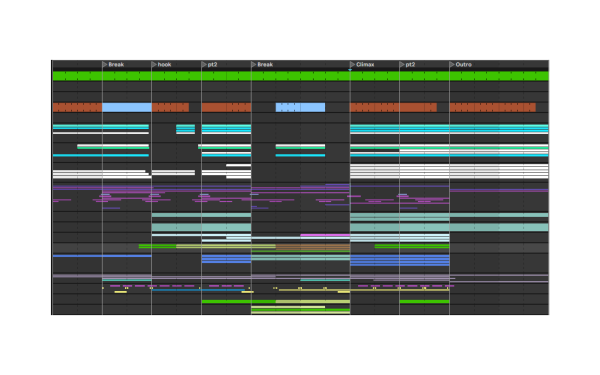
When you boil it down, most modern musical genres are based on loops. Still, the best producers play clever games of smoke and mirrors to trick their listeners into thinking they’re listening to more than a set of loops being introduced and removed in a timeline of a DAW. Here are five different arrangement tricks that have worked for us that use the arrangement as a tool and device to add more movement and momentum to your music.
1. Bookend with an Intro and Outro
Don’t underestimate the impact of a compelling intro and outro in your music arrangement. One of the most potent narrative devices in music is contrast, and starting the song slowly helps create a baseline of energy that continues to build up to and through the leading hook of the song. On the flip side of the coin, the outro can also help show how far you’ve come and what’s changed in the song throughout the production; it helps create a sense of finality that gives the listener closure while leaving them hungry to hit that repeat button.
An intriguing intro can hook listeners in seconds, setting the stage for the musical journey ahead. Conversely, an outro provides resolution, bringing the narrative together and leaving a lasting impression. In essence, your intro sells the ticket, but your outro makes sure they’ll come back for the next show.
2. The Minimalist Approach
While it’s tempting to layer your track with multiple synth lines, restrain yourself. Good arranging isn’t just about what’s present, but also what’s absent. Sometimes, you only need a guitar riff and a kick drum to convey the message. Keep it lean, and let the core elements of the track shine.
Before adding another synth or layer to your production, ask yourself, “How can I make what I already have interesting enough to hold my listeners’ attention longer?”
Many of the above-mentioned tricks can be applied here to accomplish this goal. Adding more automation points on your lead line, creating more movement in the background of the track via plugins like SuperPlate, and more can all turn a basic sound into a highly engaging instrument that can carry that track all on its own.
3. Current Yet Timeless
There’s an array of sonic elements—whistles, whoops, claps—you’ll hear in current chart-toppers and old classics alike. Instead of dismissing these as clichés, incorporate them into your arrangement wisely. They’ve stood the test of time for a reason.
Arguably, one of the cliches of all these is the good old-fashioned white noise sweeps. Many up-and-coming producers try to avoid using these types of samples as they think they’re “corny” or “overplayed,” but they work for a reason. They can help move the song from one section to another, thus creating more movement and momentum in your song and mix.
4. Never Outshine the Lead
Keep background elements in check so they don’t drown out the lead instrument or vocals. The lead is your song’s lighthouse; everything else should be the scenic coast. If a counter-melody or a riff interferes, cut it or re-arrange it. Take frequent breaks to evaluate the track with fresh ears.
The lead sound pops out of the speakers, and your listeners should never have to think twice about the primary element in each section of the song. This is where spending that extra bit of time dialing in the reverb settings on your sends and aux channels starts to deliver its dividend when the background of the track is lush and alive with subtle movements and textures, which allows the brightness of the lead to really pop through. I’ve found that when the atmospheres and reverbs of the track are dialed in perfectly, I can afford to mix the lead synth elements more dryly. Through this contrast, the lead pops out even more!
5. Compositional Handoffs
The best and worst thing about producing music in a DAW is that you have the option to add anything and everything that you want, and new producers bite on the temptation to stack layer upon layer to achieve what they believe to be a dense and complexly professional mix. But the secret sauce to avoid this pitfall can be found in conventional recorded music and touring bands.
A classic rock band is likely composed of four or five members; they have a lead singer, a guitarist, a bass player, and a drummer. To play the dynamic and evolving music that they do, each member of the band often has to play different roles throughout a single song. The lead singer may step back from the spotlight during a solo and sing harmony while the guitar player switches from rhythm to lead. The drummer may set the tone of the entire song by playing some long percussion-based intro.
Find ways for your instruments in your DAW to fulfill multiple roles in the production as the track evolves and plays out. You’ll instantly add more movement and momentum to the music as each layer moves in and out of the spotlight.

Magnetic byline note: This byline is used for staff produced updates and short announcements, often based on press materials and official release information. Editorial responsibility: David Ireland (Editor in Chief) and Will Vance (Managing Editor). About: https://magneticmag.com/about/ Masthead: https://magneticmag.com/masthead/ Contact: https://magneticmag.com/contact/