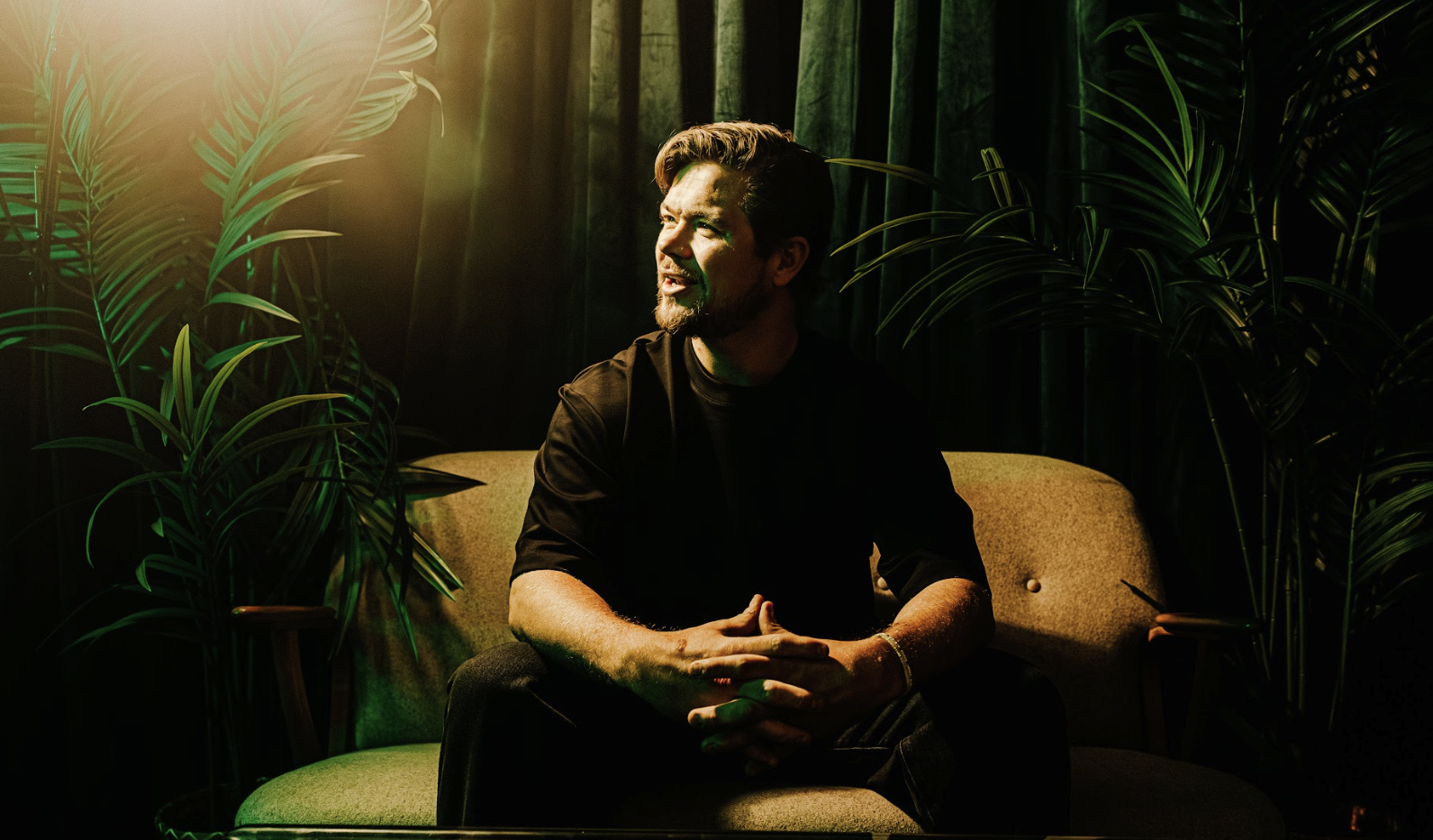
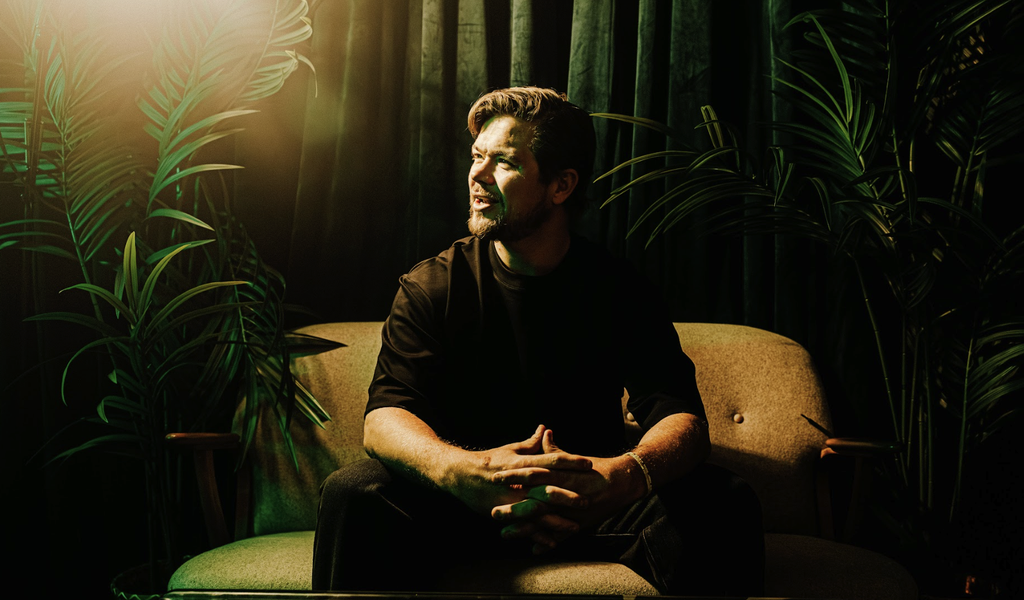
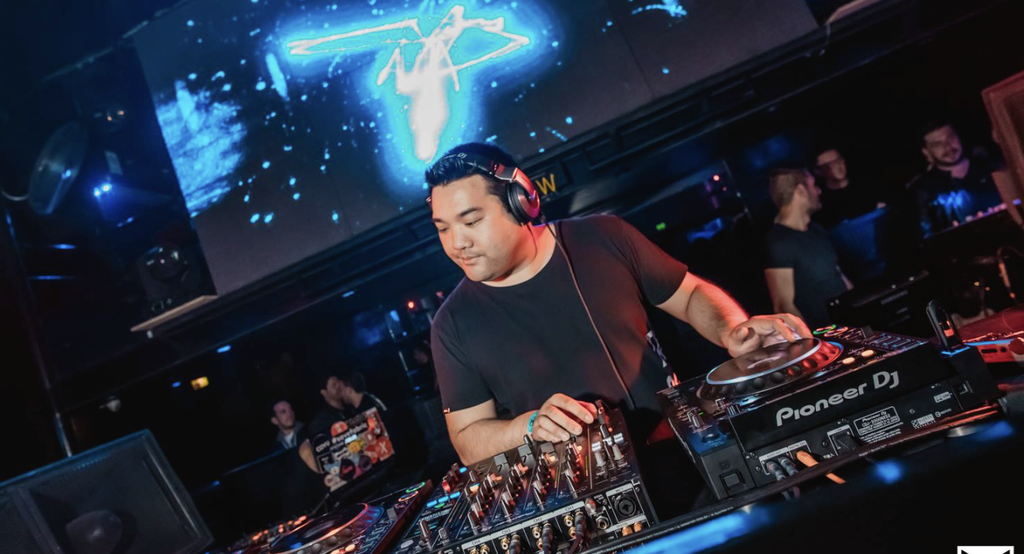
TheFatRat, a trailblazing independent artist in Gaming Music, is celebrated for his influential presence in the Esports scene, collaborating with top brands like ESL and Dreamhack. With fan-favorite hits like “Fly Away” “Unity,” and “Monody,” accumulating over 200 million YouTube views each, he’s a favorite in his genre. His YouTube channel, boasting over 6 million subscribers, highlights his massive and engaged fanbase.
TheFatRat’s music has been featured in major advertisements for Coca-Cola and in popular video games such as Dota 2 and Rocket League, showcasing his wide-ranging appeal. His recent partnership with Amanotes, a top Interactive Music Company, led to his track “Hunger” being featured in hit games like Magic Tiles 3. Notably, his decision to remove copyright restrictions on his music has resulted in over 30 million videos using his tracks, amassing over 29 billion views on YouTube. As an independent artist, TheFatRat stands out in dance music, with his singles consistently hitting the iTunes top 50 for over three years.
He shared his insights and opinions on major label deals with Magnetic Magazine in this exclusive op-ed:

I’m scrolling through Instagram when I see another one. My heart sinks. It’s an artist I know that has been doing very well on YouTube recently and now he’s standing in a photo, surrounded by men and women, holding a piece of paper with a huge smile on his face. The caption says: “I’ve been dreaming about this moment for over a decade. After all the hard work, grinding and hustling I’m so happy to announce that my dreams finally have become reality!!!!!” He signed a major label record deal.
Each time I see a post like this, I want to smash my phone against the wall. Not because I envy them. Because I pity them.
Having been in the music industry professionally for over 20 years, I know, first-hand, how the story continues behind the scenes. Initially, I had some insight because as a producer I have worked with other artists before and after they got signed. Later, during my own career as an artist, I was independent most of the time. The only exception was two years when my management at the time convinced me to sign ten songs to a major label. I got to experience first hand what it means to be a major label artist.
Before we talk about the effect that signing to a major label has on an artist’s career, let’s look at why so many people still think that getting a deal is like winning the lottery.
To understand this, we have to travel 25 years back in time; it’s 1998, Bill Clinton is president, people started using mobile phones from Nokia, and many are trying out this new thing called the “Internet” where they search for stuff on Yahoo and Ask Jeeves. Mulan is running in theatres and Savage Garden is on the radio. If you want to listen to music outside of concerts, you turn on the radio, watch MTV or buy a CD. This has major implications for musicians because if you want to get heard outside of a concert, you have to be on the radio, MTV, or have your CDs on the shelves in stores.
These things are virtually impossible for independent musicians to achieve. That’s where major record labels come into play. They put a lot of time and resources into scouting for new artists at concerts. Once they sign an artist, they have to invest heavily into their production, because multi-track recordings and mixes are only possible in professional studios that cost thousands dollars per day. Then, tens of thousands of CDs have to be printed and distributed throughout the country — once again an expensive endeavour. Finally, the labels invest in music videos and radio promotion to get record sales.
In 1998, if a musician wanted to make it on a big scale, all of these things were necessary. It was virtually impossible to pull this off without the resources of a major label. So back then, a major label deal was like winning the lottery. It meant you were among the few chosen ones who even had a chance of making it onto the charts, and in my opinion, it was only fair that labels took a big chunk of the revenue — usually around 80%. They took a big risk with every artist and had to invest a lot upfront.
Back to 2023. Nowadays, if you want to make music, instead of running 24 tracks on a Studer Tape Machine that costs $500,000, you can run 256 tracks on a MacBook Air that costs $1,099. Instead of printing, storing and distributing boxes full of plastic CDs, you can upload all your songs to all platforms worldwide for $22.99 per year, making them available to every single person with an internet connection. And instead of shooting an expensive music video on a 35mm camera to reach an audience on MTV, you can go viral with a TikTok video shot on your smartphone. Sure, you can still make a fancy video and upload it to YouTube, but it’s totally optional. My own YouTube “videos” usually only show a piece of artwork while the song plays (and several of them have over 100-200 million views). In contrast to 1998, today, it’s very possible for an independent artist to reach a worldwide audience without a major label getting involved, because the process of producing, distributing and promoting music has changed substantially.
One thing that hasn’t changed is the nimbus around a major record deal. Why is this? Firstly, the changes in the accessibility of recording and distributing music have happened slowly over time. The public perception lags behind. Since it was such a huge deal to sign with a major two decades ago, that sentiment still echoes in people’s minds. Secondly, major record labels tend to be fast and smart at signing new artists as soon as they blow up. This way, a lot of successful songs end up being released on major labels — even though those labels had little to do with creating the artist’s and the song’s success in the first place. In order to find those artists, the labels no longer have to go to concerts and scout them out. They have software which tracks all social media platforms, automatically alerting them as soon as an artist has an unusual increase of followers and streams. One thing they certainly are good at is convincing artists to sign with them. More on that soon.
But surely, even for an artist that can do the logistics on their own, there must be a big advantage to signing with a big label that has that much experience and infrastructure, right?

In my experience — and the experience of many other artists I know — the opposite is true. Signing with a major label often hurts your career more than it helps.
Let’s take distribution. Logically, you’d assume a major label would do this better than a service that costs you $22.99 a year. But, they are actually much worse. Major labels are not one centralised institution, but rather a network of sub-labels and sub-sub labels, that are each only responsible for certain territories. These sub-labels licence their songs back and forth to one another. The result? Let me give you two examples:
My song Rise Up has 82 million plays on Spotify and over 150 million plays on YouTube across different channels. My biggest market is the USA. But if you try to buy Rise Up on iTunes in the US, you won’t find it. It was never released on the biggest sales platform in my biggest market. This is because it was one of the songs that was signed to Universal Records and apparently, there were internal licensing issues within their system. Of course, I tried to fix it, but Rise Up was the last song I released with them and since they knew they would not get another song from me, they lost interest. Most emails from my management about this — or anything else — remain unanswered.
My second biggest market is China. A couple of months ago, I was looking into royalties for Fly Away, another Universal release that came out in 2017. It’s my strongest song on Spotify, with over 166 million plays. I discovered that the song was not distributed in China until 2021. That’s four years after its release!
I have many more examples, like how the label blocked my songs on my own SoundCloud channel with over 400K followers for years, how I got copyright claims on my TikTok channel for using my own music; or how, on release day, my song Chosen was not available in the US at all.
So if distribution isn’t better maybe promotion is? They are major record labels after all. They should know how to promote music.
When my song MAYDAY was released, everybody said it would be a great fit for radio. And indeed, shortly after the release, a big German radio station contacted me directly on Facebook, asking for a promo kit because they wanted to play the song. Thrilled about being on air, I forwarded the message to my label to have them send the promo kit over. Immediately, I was disappointed. The label explained that this would take a little while, because they had not even prepared a promo kit for the release. It was clear that they didn’t even bother to try any kind of radio promotion. Later, when I was once again independent, I hired an independent radio promoter, who immediately got me onto many big stations across the country.
As bad as these experiences were for me, there is an even bigger risk that artists face when signing to a label: getting stuck in a deal. This happens when the label has full control over which songs get released. This is especially dangerous when the person who signed the artist — the one who is excited to put out their new songs — leaves the label. Whoever replaces them is much less personally invested in this artist. Also, releasing new music that flops could be a detriment to this new person’s career, so it’s much safer simply to not release anything from an artist they don’t care about. During my producer days in Los Angeles, I often had people in the studio that were in exactly this position. They were writing new songs every day, trying to find something that their label would actually release. Often this went on for years. As you can imagine, it was soul crushing.
Thinking of starting your own music label? Learn ‘Why Electronic Music Producers Should Start Their Own Labels’ – kickstart your label journey here.
So what’s the point of labels signing artists and songs when they are not involved in the production, often screw up the distribution, and have little to no promotional impact? How can they even afford that?
Because their business model has changed substantially. 25 years ago, their model was to develop artists. They were investing and generating value for both artists and the audience. In contrast, today their main business model is to buy into lucrative existing IP as cheaply as possible. The labels’ biggest advantage is that artists usually have no clue how much their music is worth, so labels can buy into songs that have already proven their worth, way under market value.
And when I say “way under market value”, I mean it. The advances labels offer for a deal over 10–70 years are often less than what the song makes in one year. The problem is that, while you immediately see the increase in streams, it takes a few months until royalties come in, and by that time the artist is already signed. If an artist could see that she’s making $100,000 per month from one song, she’d probably think twice about giving it away (together with 29 others) for 20 years in exchange for $600,000.
But the wildest thing about how major deals are structured today is that after all that has changed in the music business, they have not changed the splits. They still make deals where they keep 80–85% of the revenue.
A friend of mine was recently offered a deal where he would only keep 6% of the revenue, with the rest going to the label. Those labels are still behaving as if signing an artist is always a big risk for them!
Why do artists still fall for it? Partly, it’s because of the labels’ reputation of being hit-makers. But it’s also because the labels put on a big show to get you. When a major label wanted to sign me in 2016, they flew me to Ibiza to watch Avicii’s last show. I was taken to the most luxurious places, together with the entire team, famous TV hosts, and five-litre bottles of Moët & Chandon. They served me the best ceviche on the island and took me into the VIP lounge of the most decadent club, which had a dozen Lamborghinis parked in front of it. Later that month, when I walked into their New York office (next to Times Square), my songs were playing in the elevator. When the doors opened onto the offices, my face was on every wall screen. They clearly know how to impress artists, and cater to their ego. Artists — who are notoriously insecure about their work — are easy to manipulate that way.
So, should anybody ever sign with a major label?
There is a simple rule to answer that question: the more music you’re selling, the more streams you already get, the less of a need there is for a label.
If you have zero streams but for whatever reason a major label wants to sign you, it might be worth a shot. This could be the case for TikTok, Instagram, or YouTube personalities. They might be famous but have nothing to do with the music business yet. In that case, there is not a lot to lose. A big label might find you good songs and put you in the studio with good producers. If it fails, you don’t lose a lot. The risk is much more on the label side.
If you are an up-and-coming artist, independent labels with a built-in fan base can make sense for you. They usually take a 50% split. You simply have to do the math and calculate if the streams the label will add justifies their split. To understand the value of the label’s fanbase, instead of looking at their hits, look at their weakest songs. Then, compare those numbers to your own, non-label releases. Let’s say on average, a song that you release yourself (without a label) tends to get around 50,000 plays on Spotify in the first year. To figure out whether it’s worth signing a song with an independent label, simply look at how their weak songs perform after one year. If the label is taking 50%, those numbers should be at least twice as high as the ones you’re getting independently. In this example, that would be 100,000 plays. If the label takes 70%, the weakest song’s plays should be 160,000 per year, and so on. If the numbers from the label are lower: either release the song yourself, or negotiate a split that makes more sense to your potential revenue!
And my most important piece of advice for artists?

When you have a song that goes through the roof, PLEASE DO NOT GIVE THIS SONG TO ANYBODY. KEEP IT AS YOURS! If you do that, it will probably feed you for the rest of your life. Labels will come and try to tempt you. They will tell you the most glorious stories about the megastars they’ve built up, about the hits they’ve made and about how they will do the same with your song. And yes, it might all happen. But my experience after 20 years in the industry is that it’s much more likely it won’t. When it doesn’t, the biggest effect of that deal will be you losing 85% of your revenue. Keep that money. Use it to hire great people who will support your music the way that your music deserves to be.
When my songs blew up and major labels approached me, I wanted to give it a shot. After all, I was lacking first-hand experience with a major label. Luckily — and thanks to what I had learned from working as a producer with major signed artists — I was able to avoid a lot of the pitfalls that come with signing. I kept all the songs that were already successful to myself. Even more importantly, I did not end up getting stuck in a deal. I delivered 10 songs, learned a lot, and that was it.
Since 2019 I have been fully independent again. Ever since, my monthly Spotify listeners increased from 1.1 to 4.2 million, my streams went from 270,000 per day to over 800,000 and my followers from 380,000 to over 1.6 million. Even more importantly, the revenue from my streams is used on realising my artistic vision — not on five litre bottles of Moët & Chandon in an attempt to lure the next artist into a deal.
I hope this information will help other artists to make well-informed decisions. If you see an artist blow up, please consider sending this article to them. The more that we as artists know about the business aspect of music, the better we can manage our rights, our money and, most importantly, the more artistic freedom we have.

Magnetic byline note: This byline is used for staff produced updates and short announcements, often based on press materials and official release information. Editorial responsibility: David Ireland (Editor in Chief) and Will Vance (Managing Editor). About: https://magneticmag.com/about/ Masthead: https://magneticmag.com/masthead/ Contact: https://magneticmag.com/contact/