All too many artists and producers focus on their social media accounts as their primary way of getting in touch with the movers and shakers in the industry and completely disregard the tried-and-true method of the good old-fashioned email. But sliding into the DMs of an artist you want to work with, a label you want to sign with, or a curator whose playlist you want to be featured often comes off as overly casual and usually gets lost in the morass of surface-level interactions that mire all social media.
Email is professional, intentional, and more accessible, yet it still has its own rules you must adhere to for it to be an effective and powerful tool to get what you need to be done.
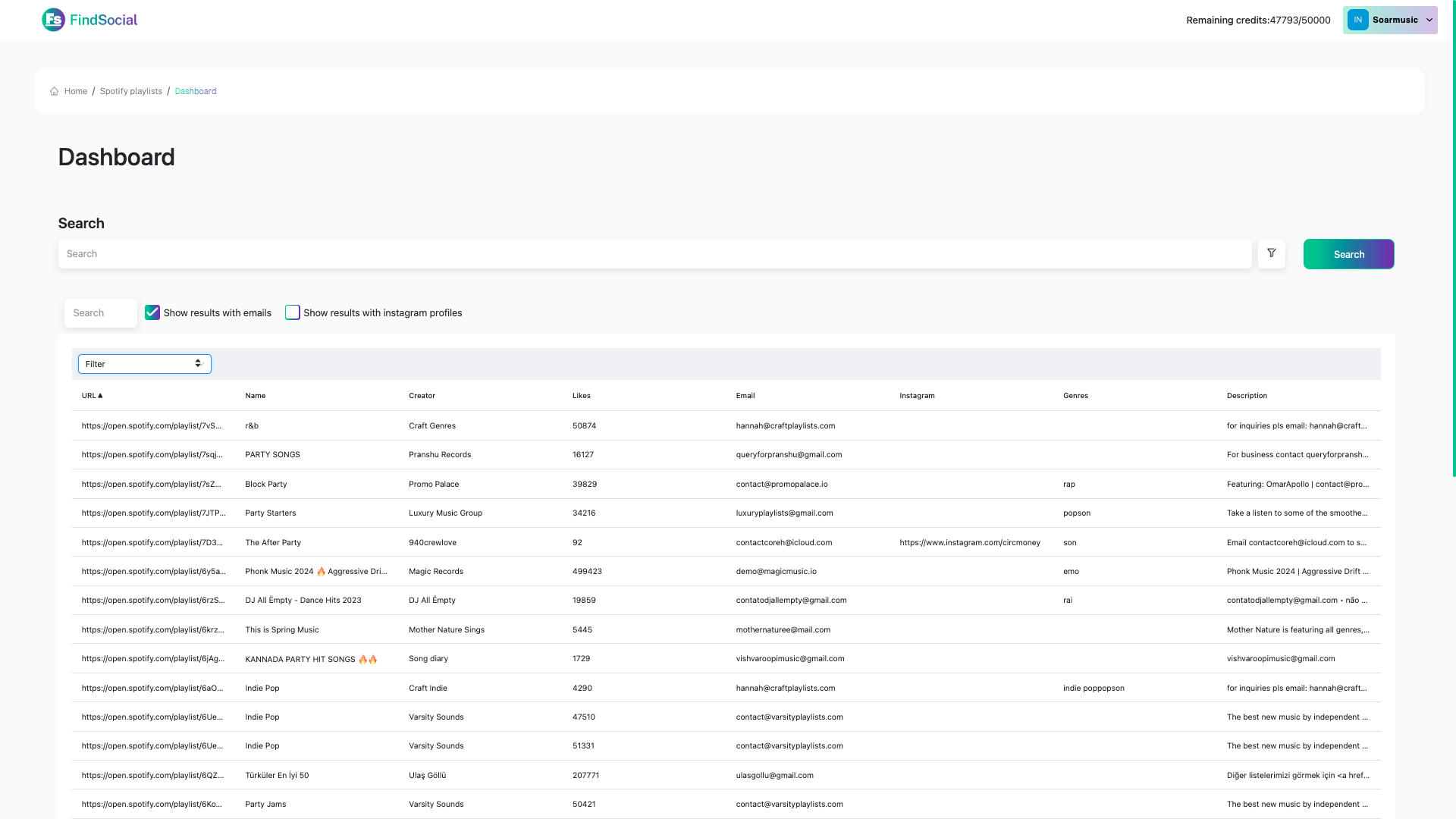
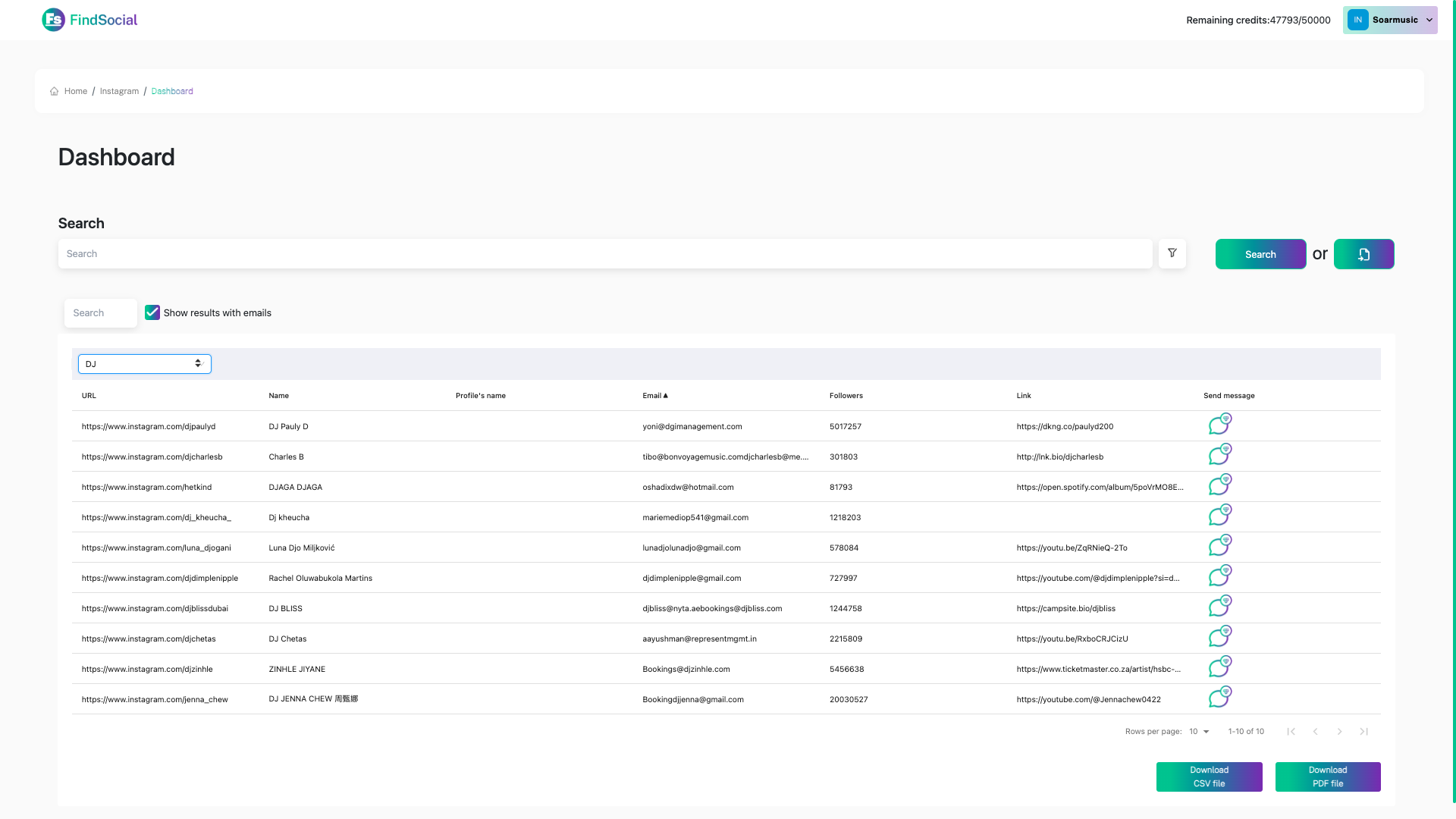
Jelmer Rotteveel, the founder of Soar Music Group (SMG), whose platform FindSocial.io leverages publically accessible data to find the contact info of almost anyone in the music industry, built this platform so that all artists can have the potential to create lasting professional relationships. However, a single email address is the smallest piece of the network-building puzzle; how you reach out for that first initial contact is the true make-or-break moment.
So, I sat down with Jelmer to talk about the best strategies artists and producers should use when contacting new contacts via email for the first time. This exclusive interview covers everything from subject lines, personalizing your message, when to follow up, and how to stay out of the spam folder.
Before diving in, check out SMG’s auxiliary software, Songplace, which helps easily manage Spotify playlists!
How crucial is personalizing your email when contacting a music producer or industry professional? What specific details would you like to take notice?
Personalization is essential. If you are emailing an artist, A&R or anyone else, just imagine that they most likely get tens or hundreds of emails every day (I know I do!). An email always stands out when it’s personalized.
Good points to focus on are the email title (don’t make it generic, but personalize it about the artist, label, or person), always include a first name, and ideally add in a little bit of background information (e.g. “I was listening to your recent songs X and Y and liked the style *mention style type*”). I don’t have any complex numbers, but I believe personalized emails are at least 50% more effective, if not more.
In your experience, is there an optimal time or day to send emails that has led to successful connections within the music industry?
This is hard to answer, since the music industry is such a global industry. However, there are a few key points to keep in mind:
- Make sure you know which timezone the person is based in. If I’m sending an email to a person in Los Angeles and I am based in Europe, I know that I should be sending the email at the start of their day, around 5-6PM my time.
- The first message is important, but what might be even more important is what comes after that: response time. Whenever you get a reply, reply within a day to keep the conversation active. Otherwise, the other person might already forget that they’ve just shown interest, and you might lose the connection. This also comes back to the first point; if you email someone in Los Angeles or Nashville and you’re based in Europe (or vice versa, depending on time zones), you need to expect an answer in the evening.
This means that, to keep a smooth conversation, you will need to check your inbox in the evening and be ready to reply that same evening. Otherwise, you will lose another day before you get a reply, delaying the conversation and potentially losing the other person’s interest.
Are there common email outreach errors that tend to get emails overlooked in the music industry?
Probably a large portion (larger than you might expect) of emails are spam. And if it’s in spam, there is very little chance of the email getting read. That’s why having your email score as high as possible is important. There are some tips (some more technical than others) of improving your email score.
Furthermore, never add an attachment in your first outreach; these usually end up in spam. Additionally, make sure that the link that you are sending (if you need to send a link at the first email) is a proper, verified link, otherwise it has a higher risk of ending in spam as well.
Before sending an outreach email, how much research should be done on the recipient, and what information is most useful?

Having a proper database is critical in this.
With my company, we have a database of around 100K industry contacts. This was built over the past 15 years. Look at every information individually, try to see them as variables, and standardize them. Good examples are; genre/style, country, media type, relation to the artist (manager, booking agent or direct artist contact) and more. This way, you can personalize messages as much as possible and ensure you send the right message to the right contact.
What’s the preferred length for an outreach email to someone in the music industry, and why is brevity or detail important?
Brevity is very important. You don’t want to hear someone’s life story in their first email. Imagine meeting someone IRL, and they immediately go on a 10-minute monologue about themselves. Every sane person would step away from that conversation.
A good rule of thumb is to keep around three paragraphs in your email: the intro (along with one sentence about the problem or situation), the middle part where you go a bit more in detail, and the closing paragraph where you finish with a question. It’s always essential to finish your email with a question because it gives a natural inclination for the person to become activated and answer that question. And you can have several questions throughout your email (but don’t overdo it).
After the initial email exchange, how can one maintain a professional yet cordial relationship, regardless of the immediate outcome?
Depending on the type of contact and the subject, it can be very helpful to suggest having a brief call where you can discuss things in more detail. Additionally, we noticed that once you’ve had a call, there is about a 50% chance that whatever you want to achieve will materialize.
That’s why (video) calling is extremely effective.
Based on responses or lack thereof, how can artists refine their email outreach strategies to be more effective in the music industry?
I think a lot of what I mentioned can be related to this, but I would probably bring it down to these three things:- Personalize- Keep it concise – ABC (Always Be Closing). Make sure you end your emails with a question, and for any objection, try to take away any doubts or hesitancy they might have (where possible).
And finally, make sure you have a good email score and a properly put-together email so you don’t end up in spam!

Will Vance is a professional music producer who has been involved in the industry for the better part of a decade and has been the managing editor at Magnetic Magazine since mid-2022. In that time period, he has published thousands of articles on music production, industry think pieces and educational articles about the music industry. Over the last decade as a professional music producer, Will Vance has also ran multiple successful and highly respected record labels in the industry, including Where The Heart Is Records as well as having launched a new label with a focus on community through Magnetic Magazine. When not running these labels or producing his own music, Vance is likely writing for other top industry sites like Waves or the Hyperbits Masterclass or working on his upcoming book on mindfulness in music production. On the rare chance he's not thinking about music production, he's probably running a game of Dungeons and Dragons with his friends which he has been the dungeon master for for many years.