Modern music producers are bombarded with quick-fix solutions to their mixing and mastering problems, with clickbait titles like this flooding their feeds:
- Six saturation mistakes to level up your mixing TODAY
- Mastering engineers HATE this artist’s reverb trick
- Don’t do THIS with your multiband effects (…must watch!)
But honestly, most of this turns out to be snake oil. In fact, after over a decade mixing and producing music, I would advise you to be wary of any mixing advice that doesn’t immediately advise you first to check your levels, check your panning, and see first what you can accomplish with filtering or EQing. The truth is that 90% of mix problems can be solved with the most basic tools in your kit (EQ, compression, volume, and panning).
This means that before you invest in thousand-dollar outboard synths or a shiny new multiband saturation plugin that promises to deliver “clear and punchy analog warmth every time guaranteed,” get yourself a top-notch EQ plugin (or two).
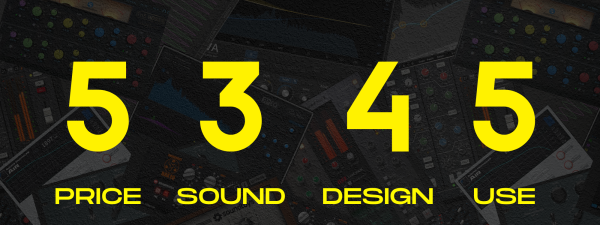
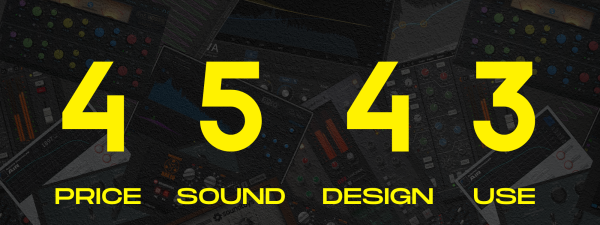
I made this list to create a short and sweet guide to the game’s best software, EQ plugins, and VSTs. Each of the EQs on this list has a quick breakdown of what I liked most about using them and a fast and easy breakdown of price, sound, design, and usefulness graded on a 1-5 scale. So, let’s dive in…
SONIBLE SMART:EQ 4

I’ve become wary of products boasting “smart” technology or “advanced AI algorithms.” When I tried Sonible’s Smart:EQ 4, I was ready to confirm my doubts but also hopeful for a pleasant surprise. After using it in my studio for months, I’m excited to share my experience and what makes Smart:EQ 4 stand out among other equalizers. What caught my attention with Smart:EQ 4 was its seamless integration of AI innovation with essential mixing tools.
Unlike other plugins that complicate workflows, Smart:EQ 4 made my mixing process more intuitive and efficient. A standout feature for me was managing all EQs from one window, streamlining adjustments across multiple tracks effortlessly.
It felt like having the precision of digital control with the workflow of an analog console. The dynamic EQ mode in Smart:EQ 4 truly impressed me. Compared to other EQ plugins like FabFilter Pro-Q 3, Smart:EQ 4’s dynamic EQ features offered superior flexibility and sound shaping capabilities. Applying the plugin’s “smartness” to specific frequency bands helped maintain mix character while addressing problematic frequencies.
While opinions on AI in music production vary, Smart:EQ 4 showcases how it can be beneficial, offering efficiency, innovation, and quality that truly enhance music creation. It’s not just about adopting new technology; it’s about how technology can improve our creative abilities.
Learn More About The Company Who Makes This Plugin While Supporting Our Writers Through Our Affiliate Partnership With Plugin Boutique Here

TDR Nova
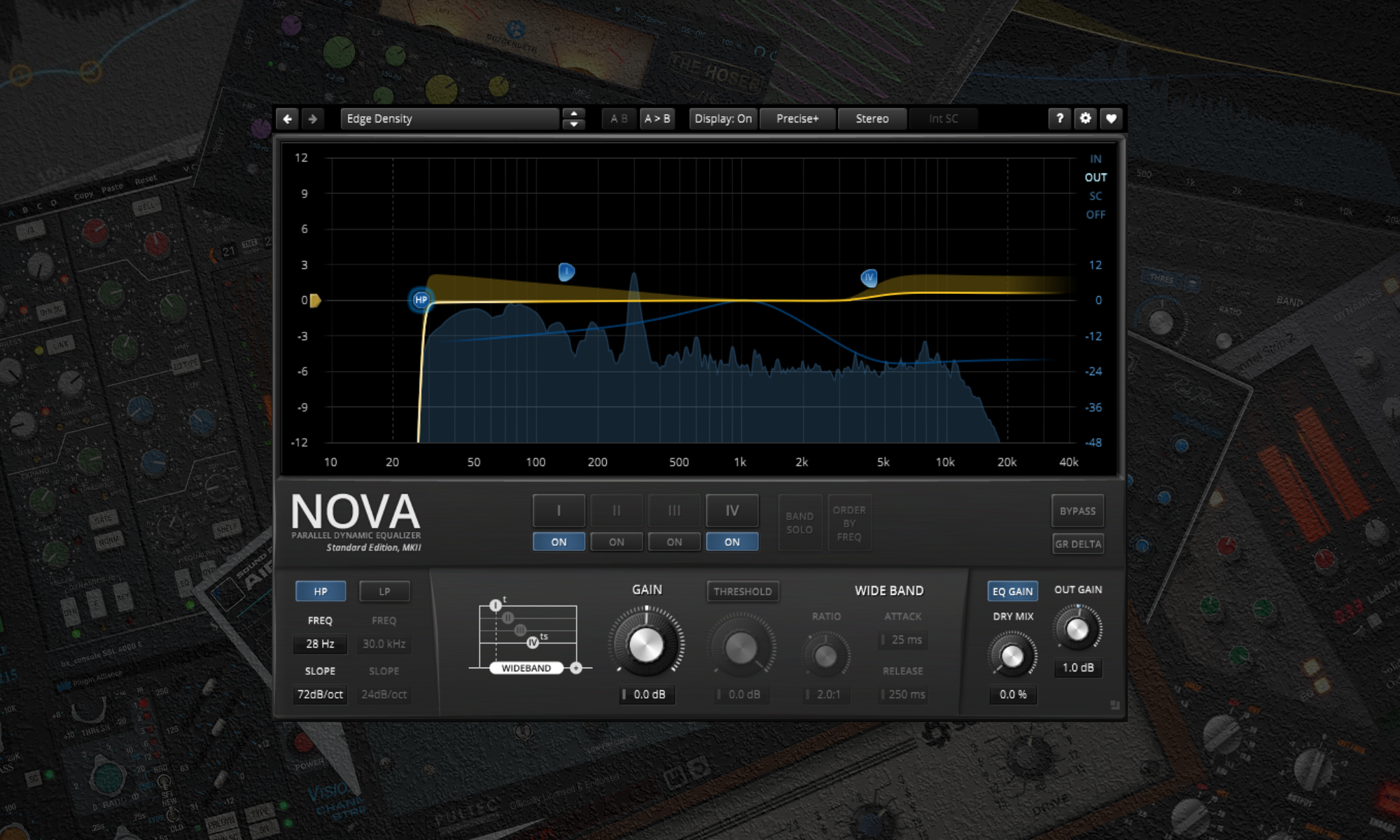
I recently tried the TDR Nova EQ plugin by Tokyo Dawn Records and was impressed by its unique features. The mix button stood out, easily blending processed and original signals. Each band’s dynamics section makes it versatile for various tasks, from subtle adjustments to aggressive compression.
The user-friendly design and quality of the TDR Nova were highlights for me, especially considering it’s a free plugin. With four bands and filters, it offers flexibility for most mixing needs. Despite not having unlimited bands like some competitors, the plugin’s dynamic equalization and parallel processing capabilities simplified my workflow.
While the TDR Nova has some limitations, like slight harshness in high frequencies, it still provides great value for what it is. It’s a valuable tool for improving mixes without cost and is suitable for beginners and professionals.
Learn More About The Company Who Makes This Plugin While Supporting Our Writers Through Our Affiliate Partnership With Plugin Boutique Here
API Vision Channel Strip
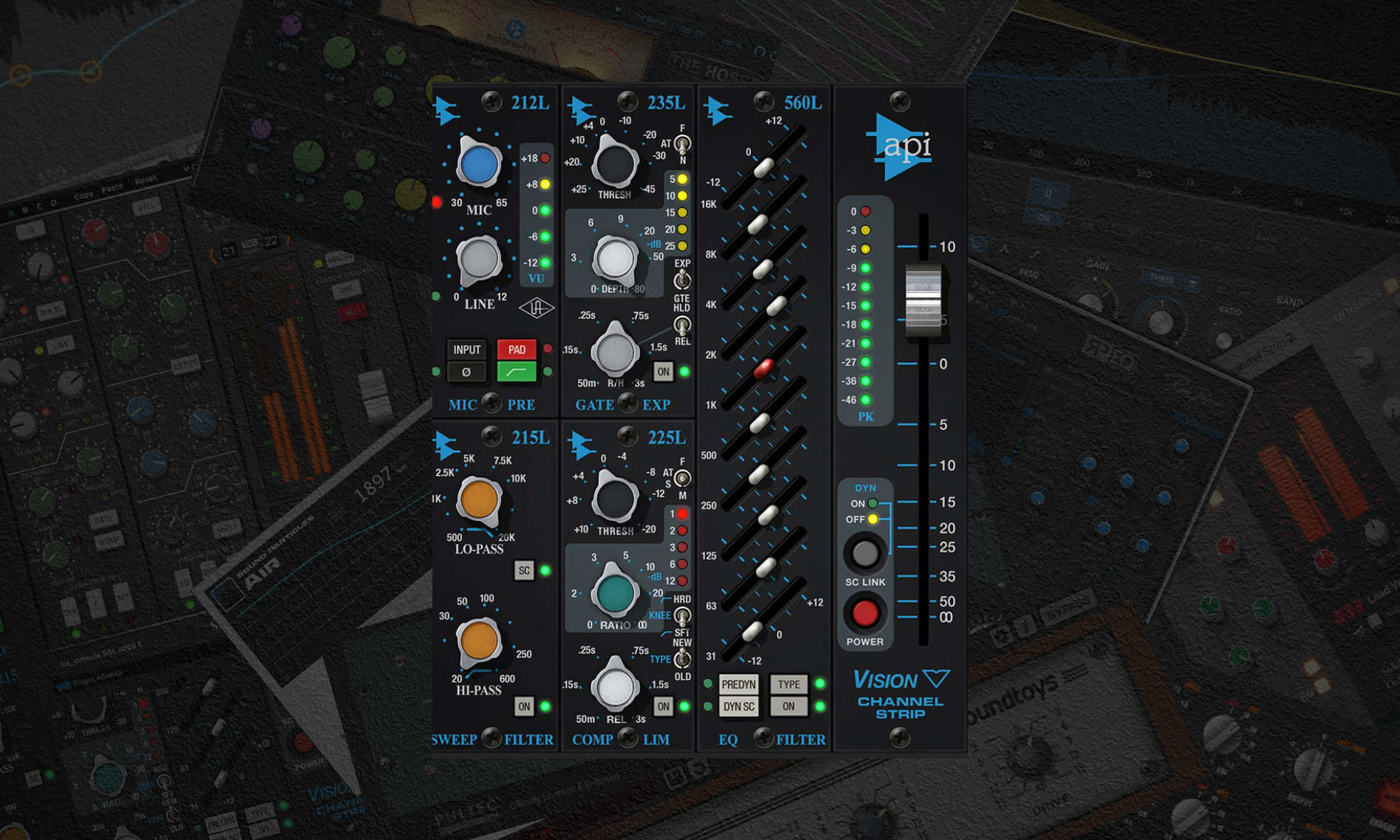
Using the API Vision Channel Strip plugin has transformed my workflow, enhancing sound quality and flexibility in my mixes. The Unison control is a killer feature, giving Apollo users the feel of a real preamp.
Adjusting settings directly from an Apollo interface with a long press brings immediacy to the digital realm. This hardware and software integration improves workflow and enriches the recording experience, simulating analog gear.
The Noise Gate in the API Vision Channel Strip is musical and versatile. Setting the depth to 80 dB and the attack to ultra-fast helps eliminate unwanted noise without affecting the track’s musicality. This is great for cleaning up snare tracks and vocals without digital artifacts. The plugin’s EQ features, like switching between 550L and 560L models and making separate EQ moves, offer new sound-shaping possibilities. The proportional Q feature encourages a subtle approach to EQ adjustments.
Learn More About This Plugin While Supporting Our Team Of Writers Through Our Affiliate Partnership With Plugin Boutique Here
Carve EQ
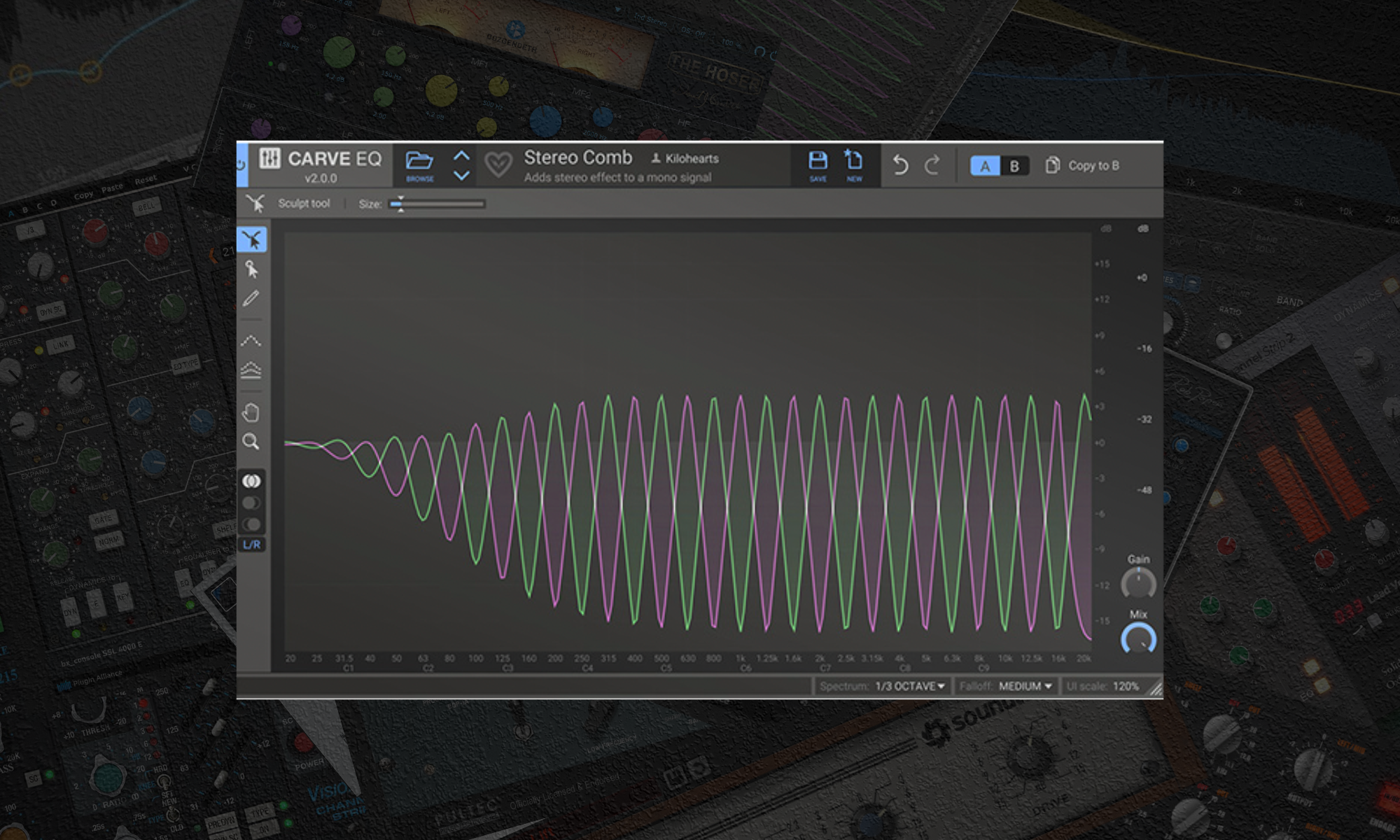
I’ve loved my time with the Carve EQ by Kilohearts. The adjustable GUI is user-friendly, catering to various screen sizes and preferences, much like the high-end EQs from FabFilter, which we’ll mention later on. This flexibility enhances workflow, making it easier to navigate and adjust. The mid/side processing and independent left and right channel adjustments offer essential control for mastering and mixing, allowing nuanced adjustments.
The EQ matching feature helps master, helping match the EQ curve of a reference track, though it’s not a tool I’d advise new producers to rely upon as it can quickly become a crutch.
It’s straightforward and captures the essence of the reference track’s EQ curve. The ability to adjust the curve’s detail ensures precision. The parallel EQ function allows the blending of processed and unprocessed signals for tonal changes without altering the track’s character.
The graphical EQ interface of Carve EQ allows visual visual manipulation of the EQ curve. Soloing frequency bands or mid/side channels makes it a valuable tool. Though lacking a solo feature, the functionality and sound-shaping capabilities are outstanding. The plugin is musical, handling tasks with precision and musicality. Experimenting with presets and A/B comparison showcases its versatility and impact on the mix, especially in mastering.
Learn More About This Plugin While Supporting Our Team Of Writers Through Our Affiliate Partnership With Plugin Boutique Here
EQ SITRAL-295
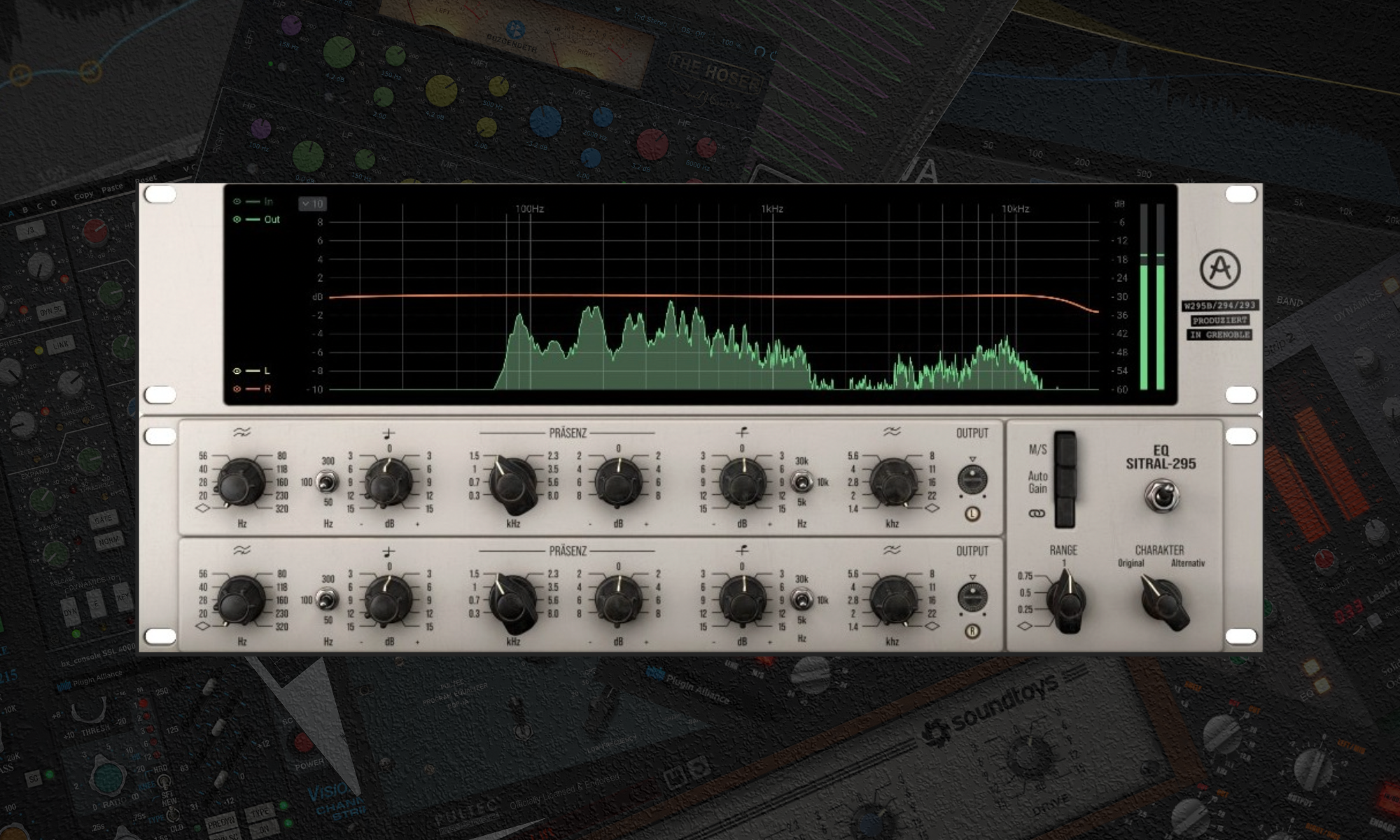
I loved Arturia’s EQ CENTRAL 235’s on bus channel, which helped simplify my mixing workflow. It allows multiple tracks to be routed to a single EQ for collective processing, which isn’t something you see very often in digital EQs. One standout feature is the link function, enabling simultaneous operation of the EQ’s upper and lower sections.
But the real game-changer is the mid-side processing capability, revolutionizing spatial manipulation in my mixes. The presence knobs, inspired by a German EQ design, offer intuitive tonal shaping as well. The auto-gain feature intelligently compensates for volume changes caused by EQ adjustments, making frequency adjustments more musical and less technical.
The range control provides a unique way to manipulate EQ curves, allowing for subtle or drastic tonal shifts while preserving the musical integrity of the source material. The visualizer aids in understanding these changes visually.
Learn More About This Plugin While Supporting Our Team Of Writers Through Our Affiliate Partnership With Plugin Boutique Here

bx_console SSL 4000 E
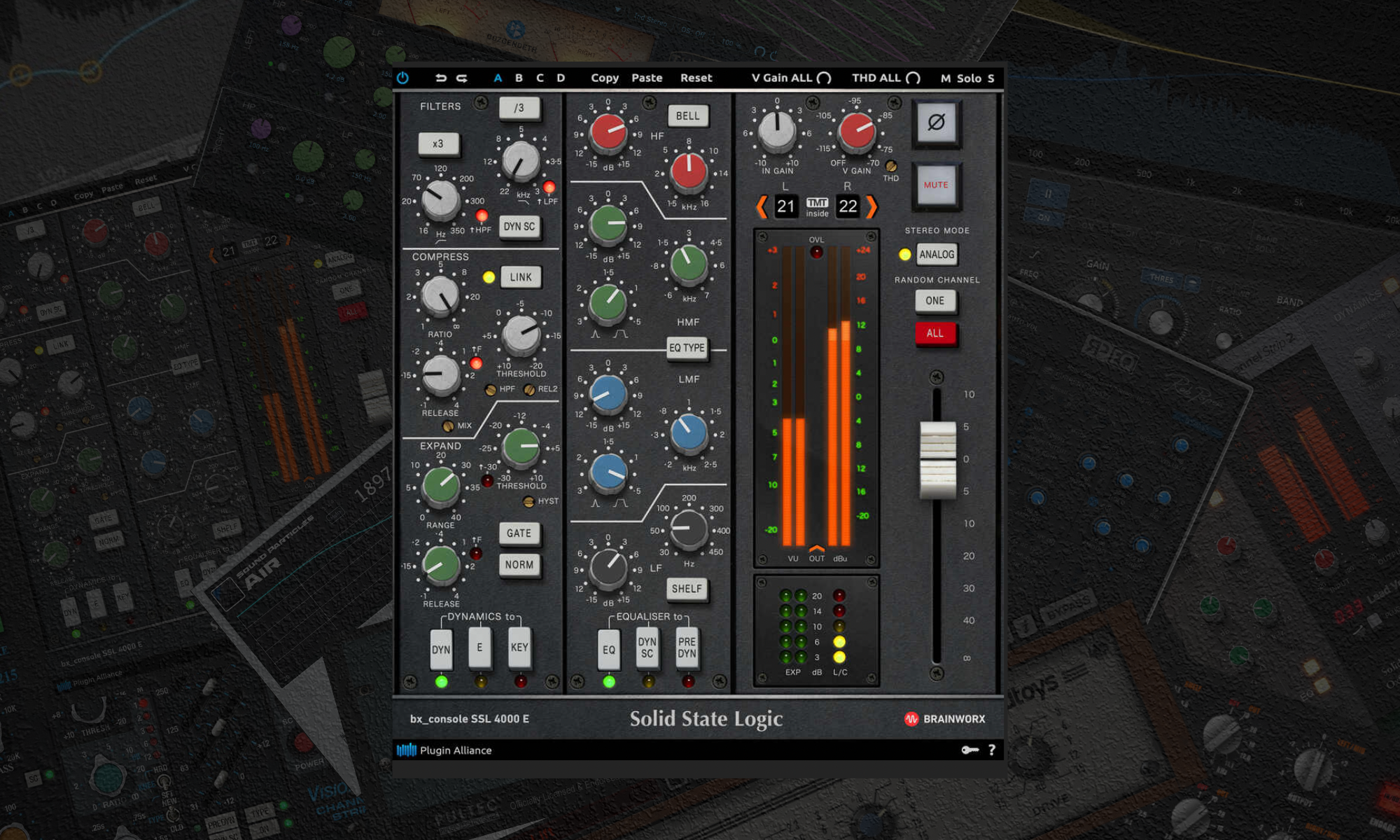
After exploring the Plugin Alliance BX Console 4000 SSL E and G, and it’s been eye-opening. This plugin replicates the iconic console precisely and enhances its sound quality and features. The THD control and V Gain allow for precise sound adjustments while soloing mid and side signals, which adds depth to mixing. The Tolerance Modeling Technology reproduces original console variations, bringing an analog feel to the digital world.
The EQ section offers four flavors between the E and G series, each with unique tonal characteristics. The G series provides a broader range and aggressive character, which is ideal for precisely shaping sounds. On the other hand, the E series, especially with the brown knob option, offers a smoother tonal shaping tool for fine-tuning tracks subtly. The dynamics section includes features like a secondary release control and built-in parallel mix, making the plugin versatile for any mixing scenario.
The Best EQ For Mastering?
The bx_console SSL 4000 E has been widely regarded as one of the best EQs for mastering as it thrives on gentle and transparent boosts and shelving moves that add a bit of beef and lift to the bands on which it’s applied, helping get maximum perceived volume without using up tons of headroom. The other channel strip functionalities also really help it become a mainstay in many engineers’ mastering chains and easy recommendations to engineers of all levels.
Learn More About This Plugin While Supporting Our Team Of Writers Through Our Affiliate Partnership With Plugin Boutique Here
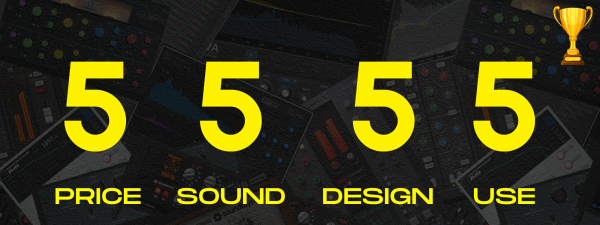
SSL Native Channel Strip 2
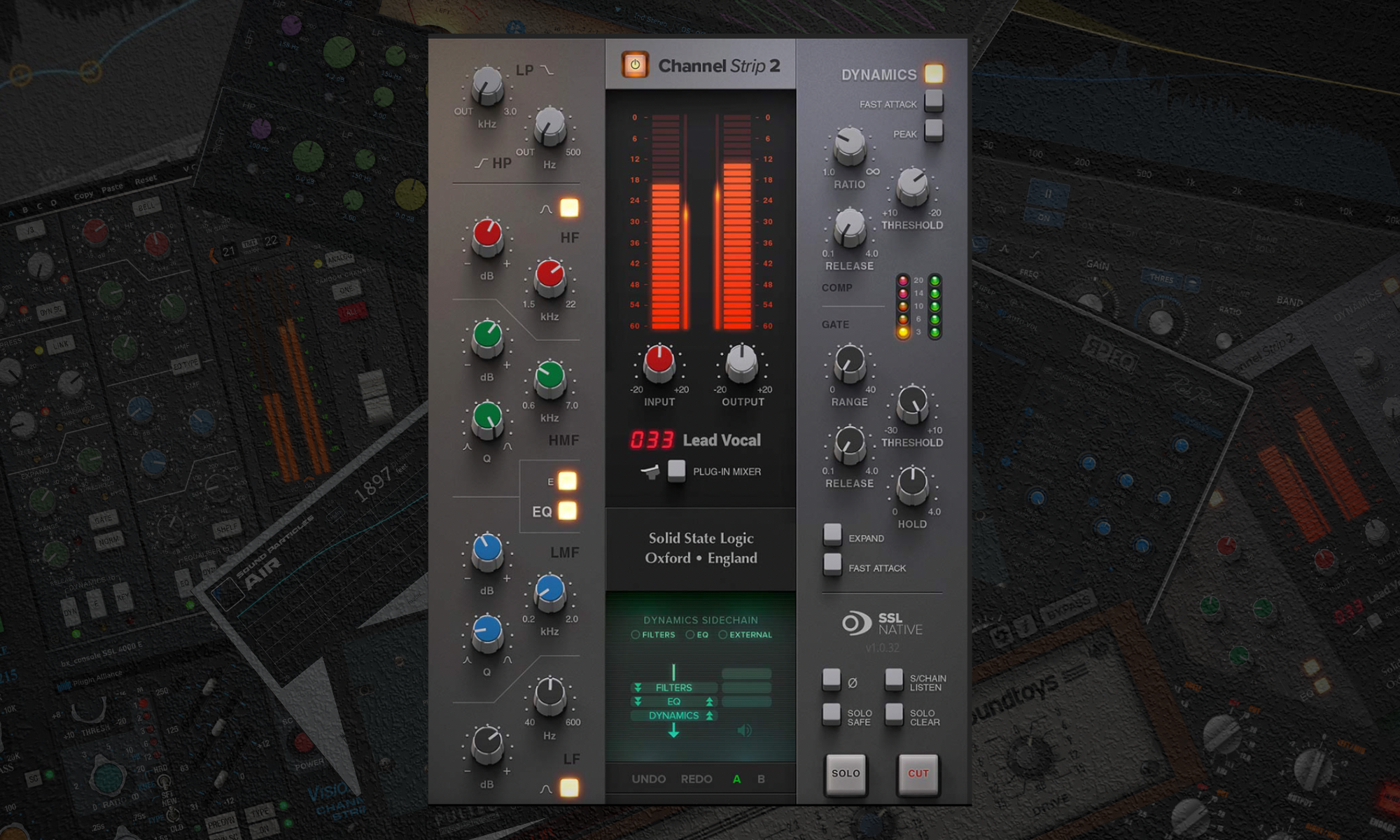
Including the Solid State Logic (SSL) Channel Strip 2 is easy due to SSL’s great reputation in the audio industry. This plugin, an official SSL release, stands out from other emulations with its authentic design and functionality. The interface looks realistic and surpasses competitors in aesthetics. The attention to detail, from shadows to textured meters, enhances the mixing experience. One downside is the fixed GUI size on larger screens, which may affect usability.
The Channel Strip 2 faithfully replicates its hardware version, featuring high and low-pass filters, vibrant EQ colors, and modern features like reorderable signal chain sections. SSL maintains its analog heritage while adapting to digital conveniences.
Considering the price of $329, the Channel Strip 2 competes with cheaper alternatives like the Brainworx model with Tolerance Modeling Technology (TMT). The choice between the SSL plugin and competitors depends on personal preference, features, and pricing. In my experience, the Brainworx option offers more versatility and cost-effectiveness, especially on sale. However, for SSL enthusiasts, especially those interested in hardware controller compatibility, the SSL Channel Strip 2 is a great choice despite the higher cost.
Learn More About This Plugin While Supporting Our Team Of Writers Through Our Affiliate Partnership With Plugin Boutique Here
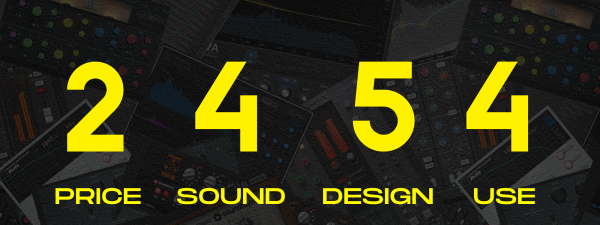
RP-EQ
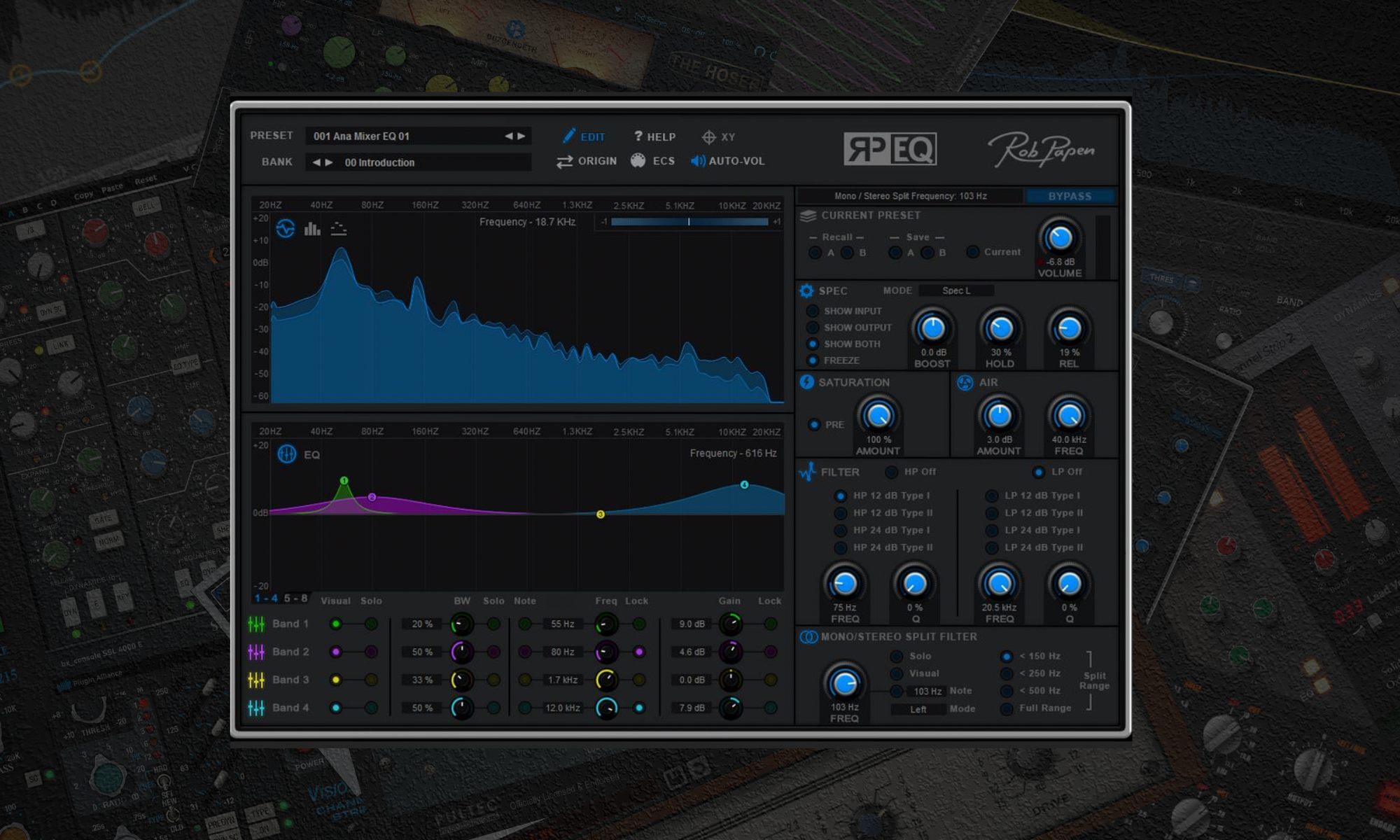
The RP-EQ combines innovation with traditional EQ features, making it great for mixing and mastering. Like their synthesizers, the standout XY pad feature allows for unique sound shaping beyond standard EQ adjustments. The warm sound quality and versatile interface make it a valuable tool for producers. The 8-band EQ supports regular and mid/side modes, with additional controls for fine-tuning, tape saturation emulation, and an ‘air’ function for vocals.
High-pass, low-pass, and mono/stereo split filters add flexibility to modern music production. The XY pad offers a creative way to adjust EQ, with preset movements for unique effects. While the fixed GUI size and learning curve for the XY pad may be challenging, they don’t diminish the BEQ’s overall utility and innovative EQ approach.
Learn More About This Plugin While Supporting Our Team Of Writers Through Our Affiliate Partnership With Plugin Boutique Here
Hoser XT 2
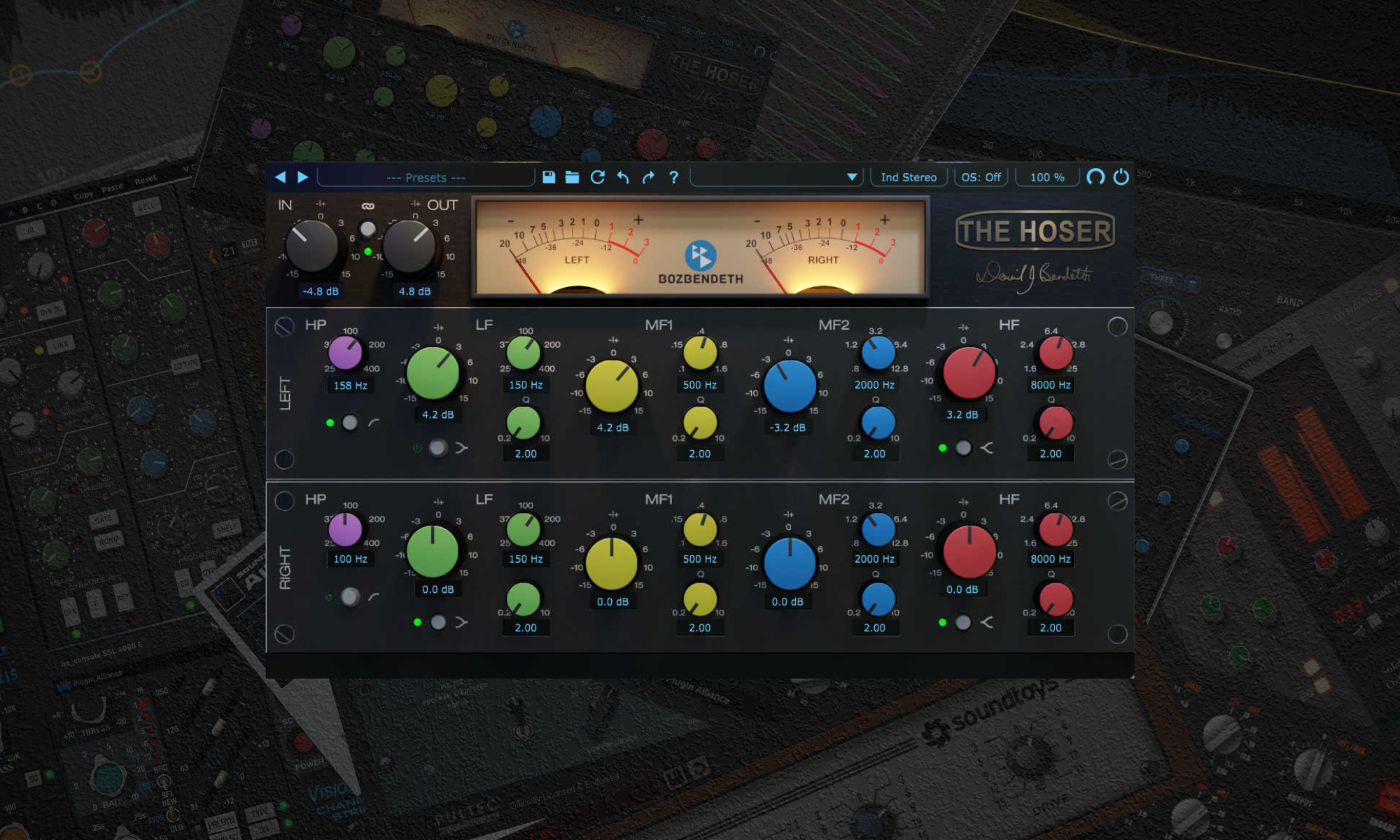
A unique aspect of the Hoser XT2 is its capacity for subtle coloration, bridging the gap between sterile digital EQs and overly colored hardware emulations. This balance is achieved through its adjustable input and output controls, allowing users to fine-tune the degree of saturation imparted by the EQ, enhancing its musicality without overpowering the mix.
Additionally, mid-side processing expands the creative possibilities, enabling engineers to sculpt the stereo field precisely. While mid-side EQing is not a novel concept, the ease of switching between traditional stereo and mid-side modes within a single plugin is particularly noteworthy in the Hoser XT2, simplifying what could otherwise be a complex routing setup.
Learn More About This Plugin While Supporting Our Team Of Writers Through Our Affiliate Partnership With Plugin Boutique Here

Air
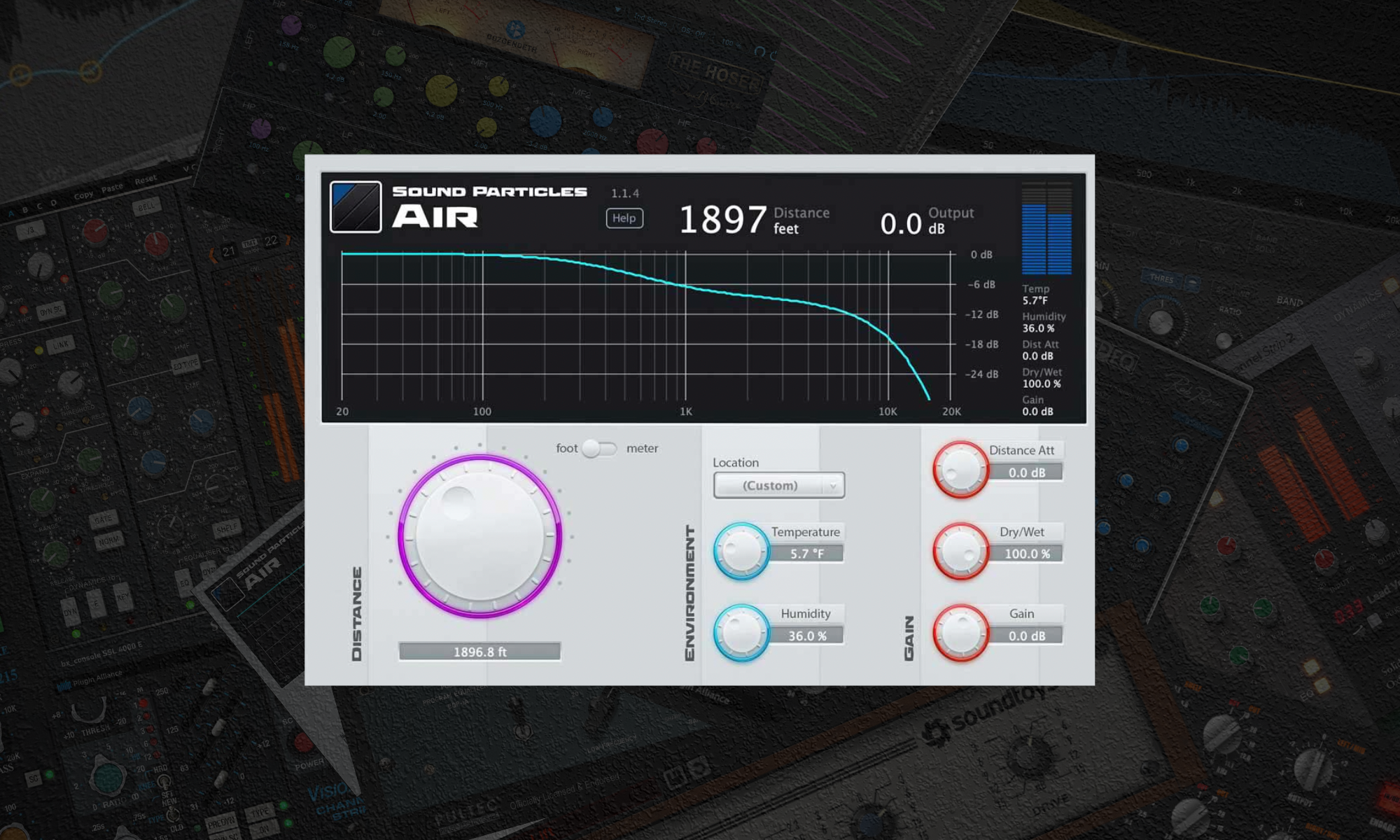
I was impressed by the unique way Air simulated sound distance. Unlike a standard low-pass filter, Air adjusts the sound curve realistically based on measurements, offering a detailed simulation of sound behavior over distance.
The distance knob is a crucial feature, allowing for smooth adjustments that add depth to audio production by following acoustic principles. Trying Air on stereo and mono tracks was eye-opening. Starting with zero distance, I gradually increased it to see the plugin’s effect. The change was noticeable, creating a sense of spatial expansion that enhanced the mix.
Experimenting with temperature and humidity settings showed how they affected the filter, and using preset options for different environments expanded the plugin’s capabilities. Air’s ability to combine frequency and volume attenuation for distance simulation is intriguing. Adjusting decibel reduction for each doubling of distance created a balanced audio scene. Switching between metric and imperial units highlighted the plugin’s flexibility.
The dry/wet knob helped find the right balance between original and processed signals, while the gain parameter prevented volume loss from filtering. This feature maintained energy in the final output despite extensive processing. Applying Air to various sounds showcased its authenticity and richness in the audio landscape.
Learn More About This Plugin While Supporting Our Team Of Writers Through Our Affiliate Partnership With Plugin Boutique Here

Pultec EQP-1A
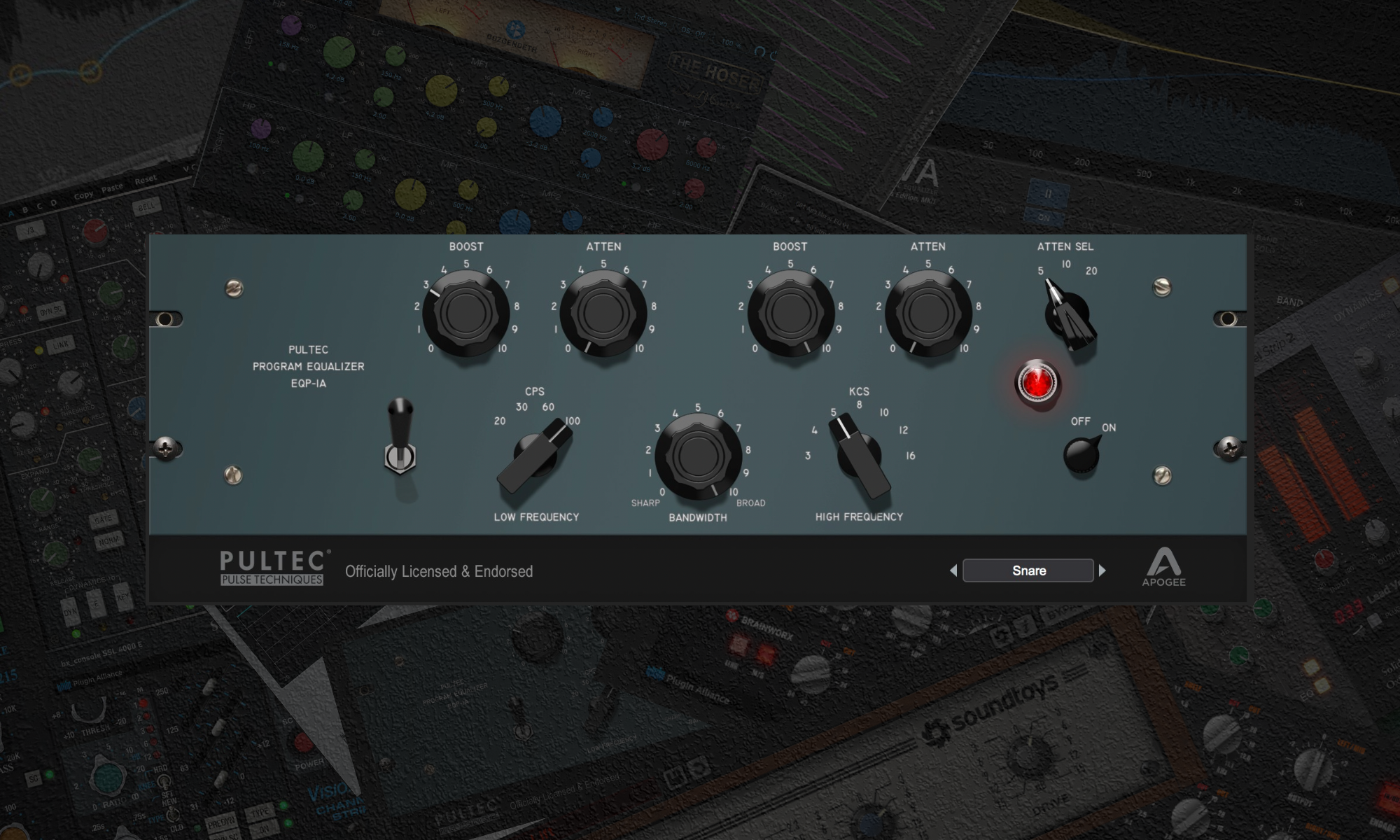
Exploring the Apogee Pultec EQ plugin, I found many similarities with the Universal Audio and Waves PuigTec EQs. I was intrigued by Apogee’s licensed Pultec emulation after a livestream discussion. I tested these plugins on an unprocessed session’s master bus to understand their impact.
Adjusting settings like boosting at 30 Hz for warmth and at 8k for presence, I noticed Apogee Pultec’s unique character. Its rich low-end stood out compared to Universal Audio, which had a thinner low-end but more openness in high frequencies.
Apogee’s strong, low-end, and adjustable parameters make it a great option for those seeking Pultec sound without Universal Audio’s hardware needs or for expanding their plugin collection.
Learn More About This Plugin While Supporting Our Team Of Writers Through Our Affiliate Partnership With Plugin Boutique Here

Sie-Q
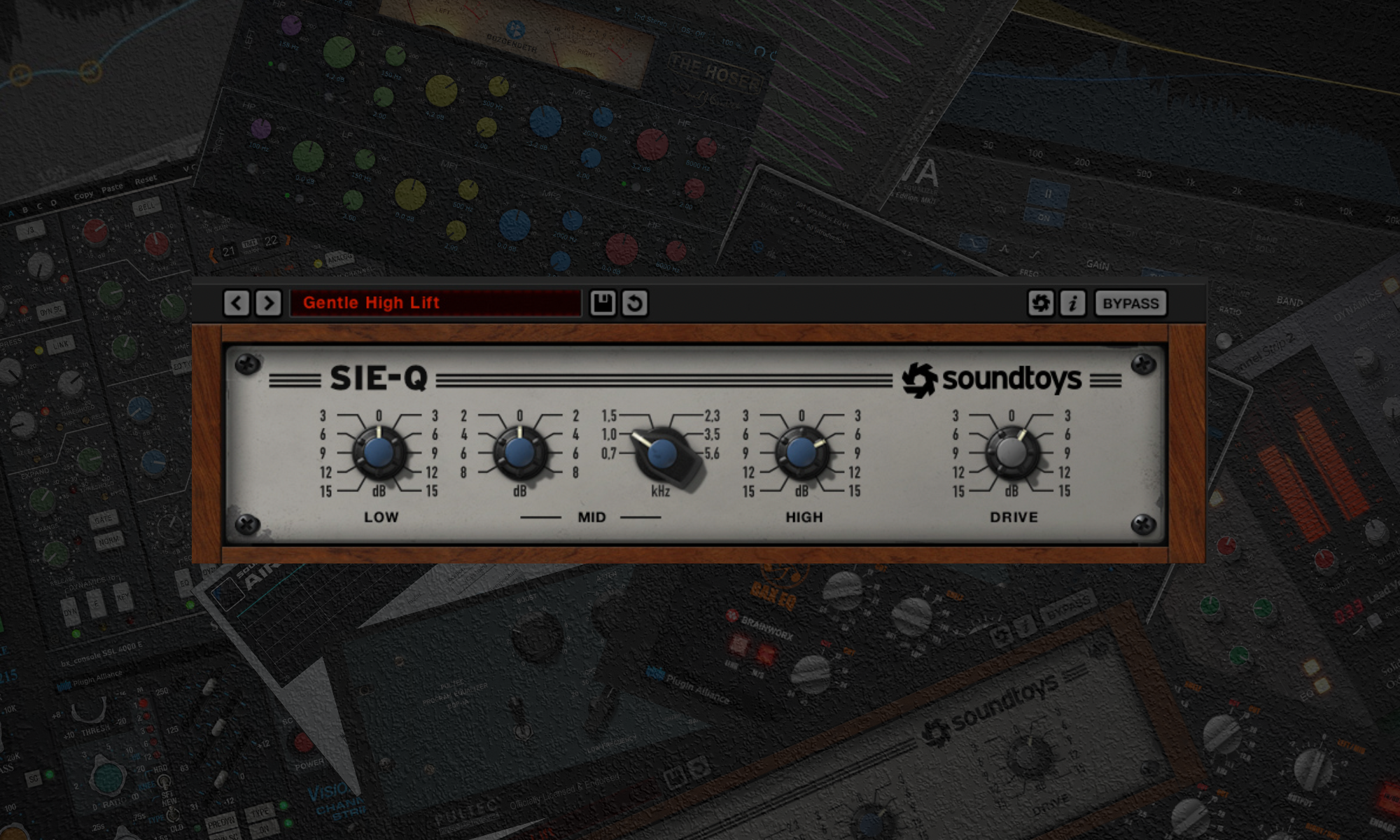
I’ve been using the SIE-Q plugin by Soundtoys for nearly five years, and it’s become one of my go-to analog EQs. I use it in Ableton on my main leads, drums (especially shakers and hats), and background vocals. The controls are simple yet powerful, with low, mid, and high-frequency options.
When I boosted the high end by 9 dB, the plugin maintained a smooth tone without harshness. It added a silky sheen to the highs, creating a pleasant and airy sound. The plugin preserved a natural sound quality even when making drastic adjustments, like cutting lows and boosting highs.
Overall, the SIE-Q exceeded my expectations and has become a permanent part of my mixing setup. It’s a versatile and musical tool that can enhance mixes without introducing unwanted artifacts. I highly recommend it to other music producers because, as I said above, it’s been my go-to analog EQ in my toolkit for half a decade, and I can’t see that changing anytime soon.
Learn More About This Plugin While Supporting Our Team Of Writers Through Our Affiliate Partnership With Plugin Boutique Here
Dangerous Music BAX EQ
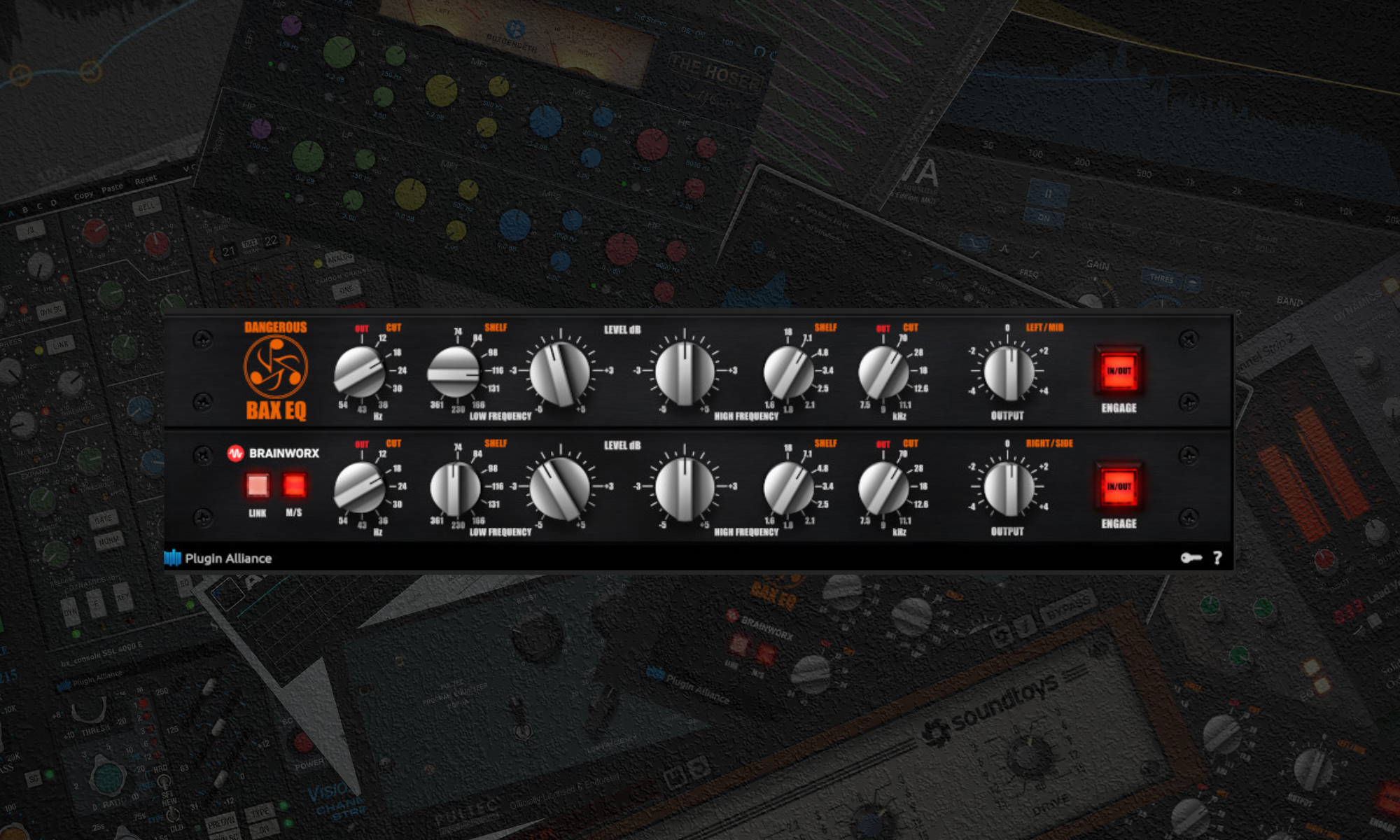
I’m all about the Dangerous BAX EQ plugin, which emulates a popular hardware unit many music producers use. This plugin offers standard stereo and mid-side processing options, making it versatile for different mixing situations. I was especially intrigued by the mid-side processing feature, which can enhance stereo width and center channel control.
Despite its simple interface, this EQ can make subtle yet powerful changes to the audio. Controls for low, mid, selectable mid-frequency, and high adjustments allow for precise and musical sound shaping. I found the cut and shelf feature particularly interesting, as it can create rich lows and clear highs without any unwanted effects.
During my testing, I used the mid-side processing to clean up the low end, improve vocal clarity, and widen stereo guitar parts. The results were noticeable but natural; the low end became tighter, the vocals stood out more, and there was no muddiness. Even with significant boosts, the plugin maintained musicality, showing its high-quality emulation.
Comparing the mid and side channels highlighted how the BAX EQ can bring vocals forward and expand the stereo image, making the mix more immersive. Its ability to adjust spatial dimensions subtly without affecting the overall sound quality makes it a valuable tool for mixing and mastering.
Learn More About This Plugin While Supporting Our Team Of Writers Through Our Affiliate Partnership With Plugin Boutique Here
Morph EQ
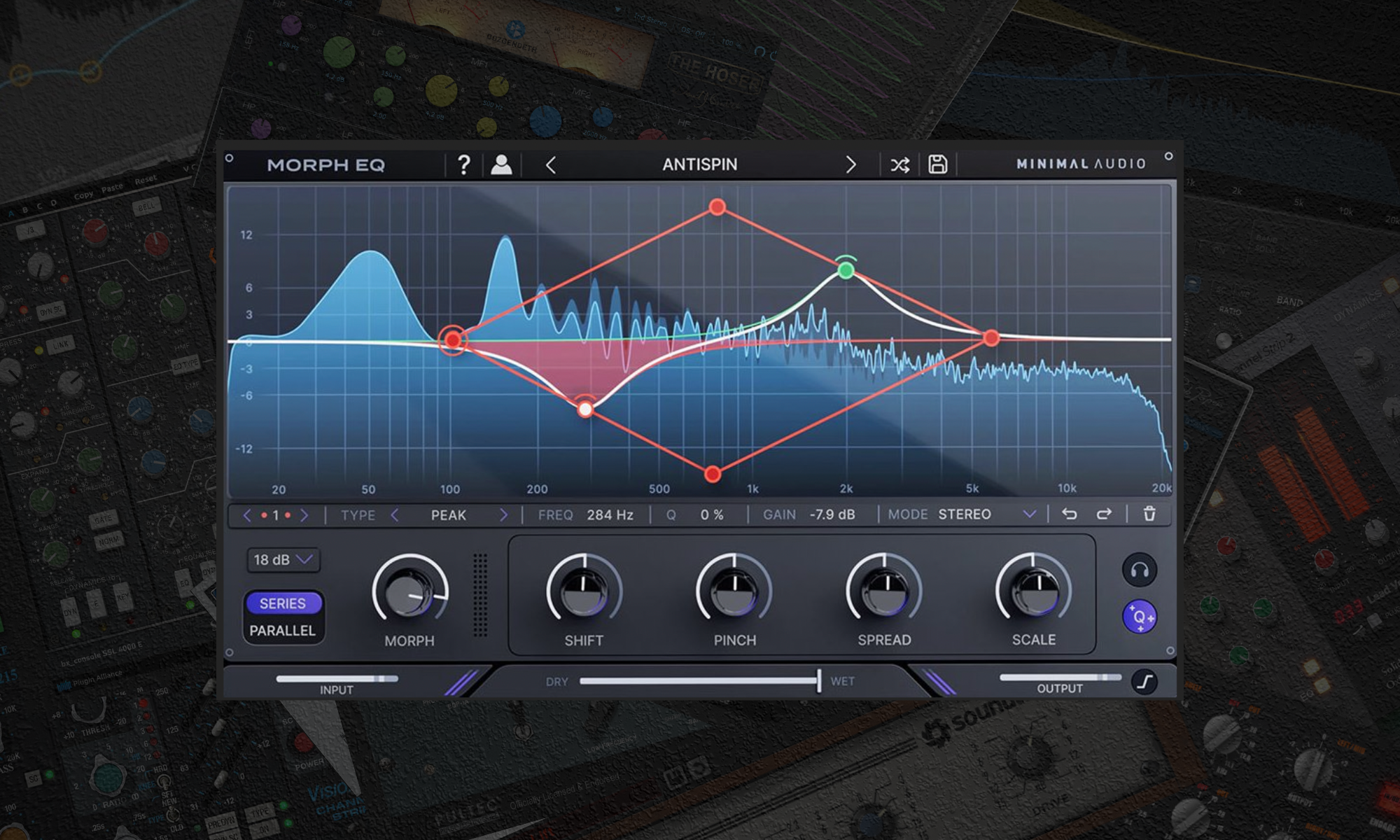
Trying out the Morph EQ by Minimal Audio, I discovered a plugin with its unique EQ modulation approach that caught my interest. Creating morphing filter movements through custom paths seemed both intriguing and challenging.
When I opened the plugin in my DAW, I noticed the interface’s responsiveness, or lack thereof, with traditional knob manipulation. However, features like adaptive Q, filter solo, and morph points showcased the plugin’s innovative approach. Testing a synth with the Morph EQ revealed its sonic abilities, offering quick spectrum analysis and a fresh take on frequency adjustment.
The graphical interface allowed for a new level of creative expression. While an automatic mode or tempo sync option would be beneficial for rhythmic contexts, manually automating the morph knob provided excellent control over dynamic EQ changes.
Priced at $49, the Morph EQ is a valuable addition for those who frequently work on complex EQ automation tasks. The time saved and creative possibilities unlocked by this plugin justify the investment, making it a standout release.
Learn More About This Plugin While Supporting Our Team Of Writers Through Our Affiliate Partnership With Plugin Boutique Here
Pro-Q 3
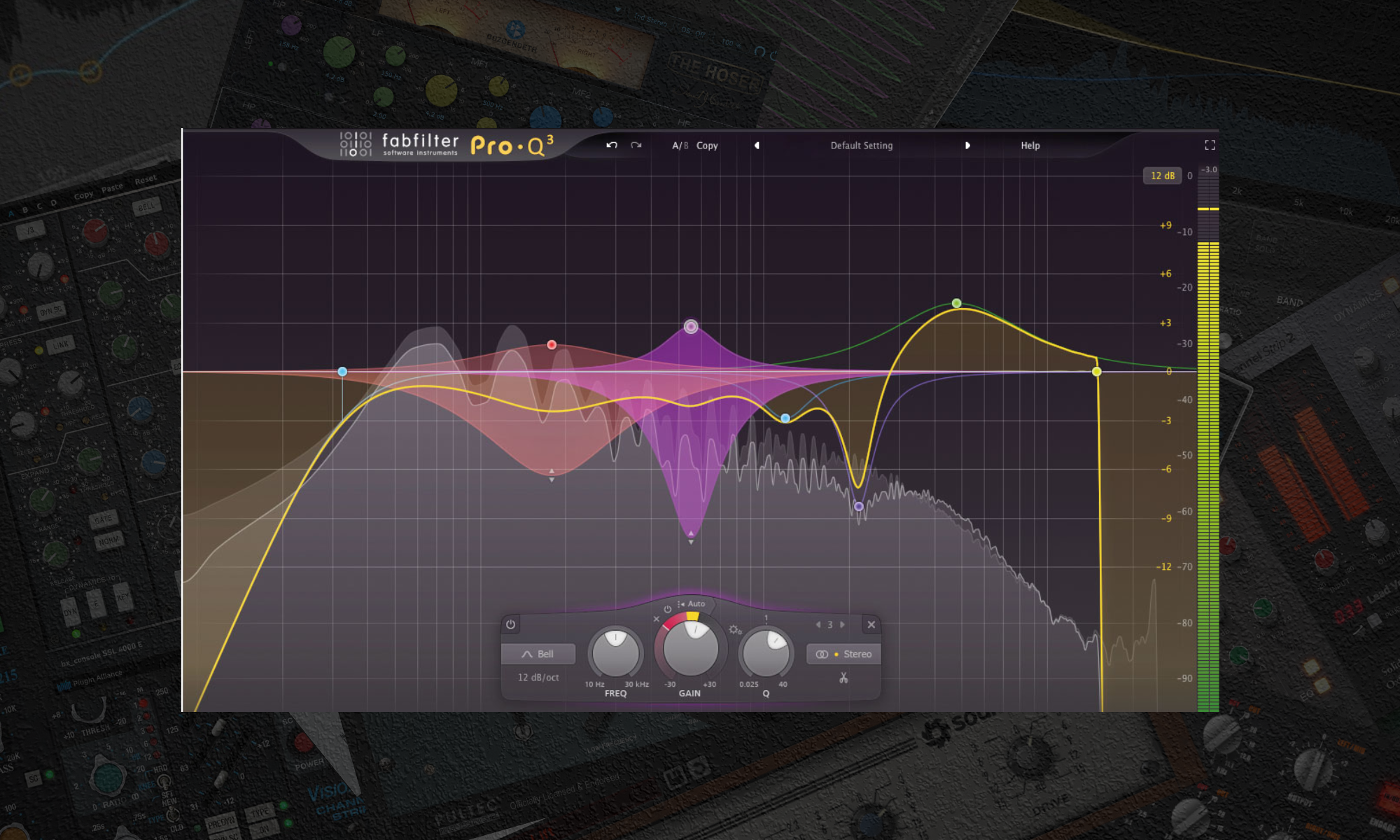
This EQ plugin stands out for its versatility. It has up to 24 EQ bands and a heads-up display that simplifies control, and while it may be expensive, it is worth it for these reasons:
- Surgical Precision: This EQ is by far the most accurate and detailed. With incredibly small Q values, you can easily remove even the smallest resonances.
- Ease Of Use: Despite its complex functionality, I’ve found that the Pro-Q 3 is one of the easiest EQs to use, second only to maybe Ableton’s stock EQ.
- It’s Flexible: It can do mid/side, be dynamic, and be overly obvious or completley transparent! It can do whatever you need and is a genuine Swiss Army Knife.
One standout feature is the dynamic EQ, allowing precise frequency-specific compression for managing harsh sounds or resonances. The spectrum grab feature quickly identifies frequencies for adjustments, providing valuable insight into the mix. The plugin’s seamless integration of form and function, such as a resizable interface and solo buttons, enhances workflow efficiency.
FabFilter Pro Q3 is a valuable tool for music producers looking to enhance their creative process and is legit one of the game’s most popular and powerful plugins. Producers will discuss this as their go-to plugin for surgical mixing anywhere you turn.
Why Is Fab Filter So Popular?!
FabFilter, based in Amsterdam, is known for creating top plugins for music production. Their range includes mixing tools, effects, and synthesizers, showing their innovation in digital audio. They also offer enticing discounts when you buy all of their plugins at once, making it an easy investment for new producers looking to snag their first non-stock bundle of plugins.
Couple that with the fact that they’re in almost every gear roundup for best options for this or top choices for that, and these plugins are essentially inescapable.
FabFilter merges high-quality sound processing with an intuitive interface, making complex spectral manipulation easier. Pro-Q 3 embodies FabFilter’s commitment to excellence, making it a must-have for serious music producers. FabFilter sets the bar high for digital audio processing in mixing, mastering, and sound design.


Will Vance is a professional music producer who has been involved in the industry for the better part of a decade and has been the managing editor at Magnetic Magazine since mid-2022. In that time period, he has published thousands of articles on music production, industry think pieces and educational articles about the music industry. Over the last decade as a professional music producer, Will Vance has also ran multiple successful and highly respected record labels in the industry, including Where The Heart Is Records as well as having launched a new label with a focus on community through Magnetic Magazine. When not running these labels or producing his own music, Vance is likely writing for other top industry sites like Waves or the Hyperbits Masterclass or working on his upcoming book on mindfulness in music production. On the rare chance he's not thinking about music production, he's probably running a game of Dungeons and Dragons with his friends which he has been the dungeon master for for many years.