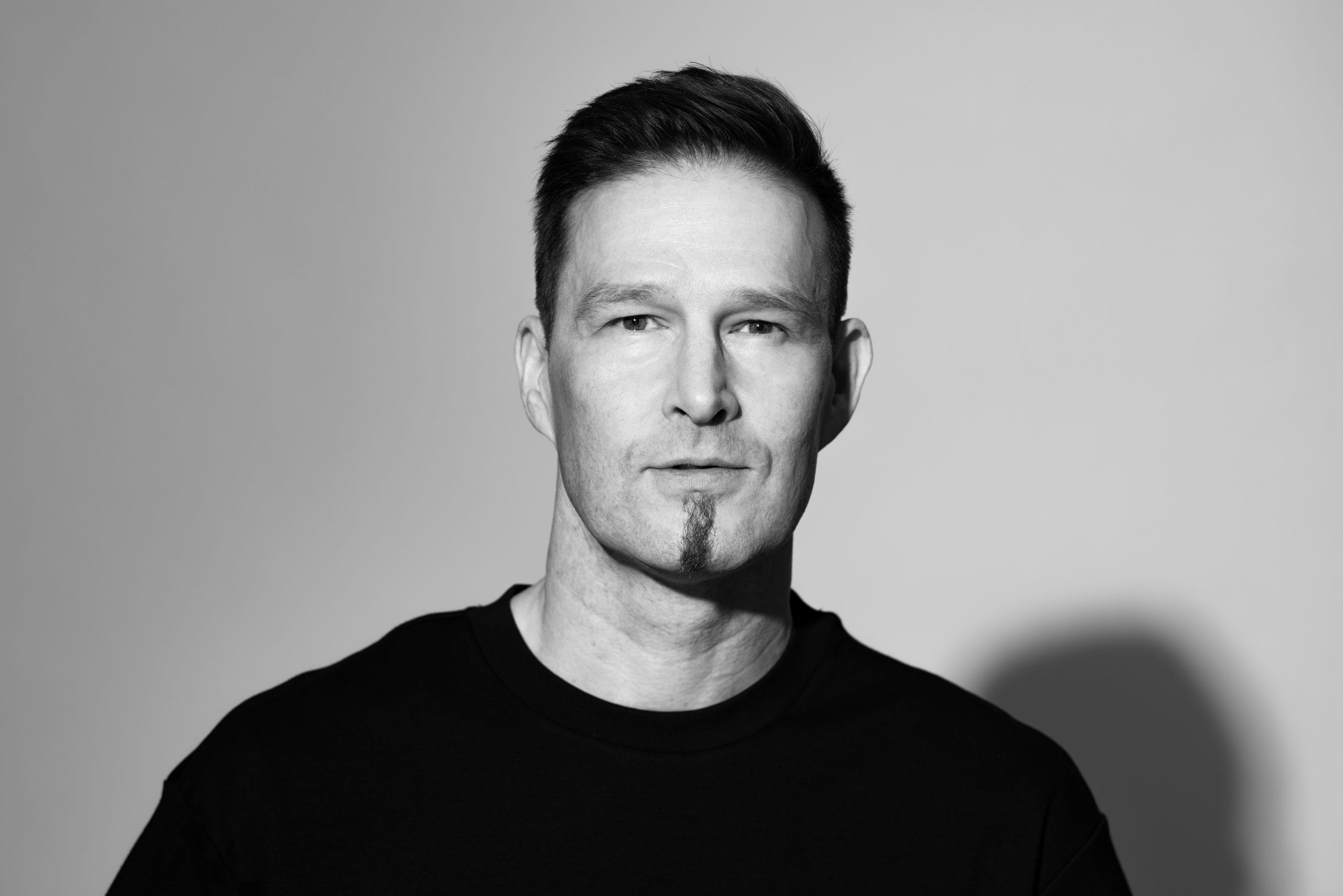
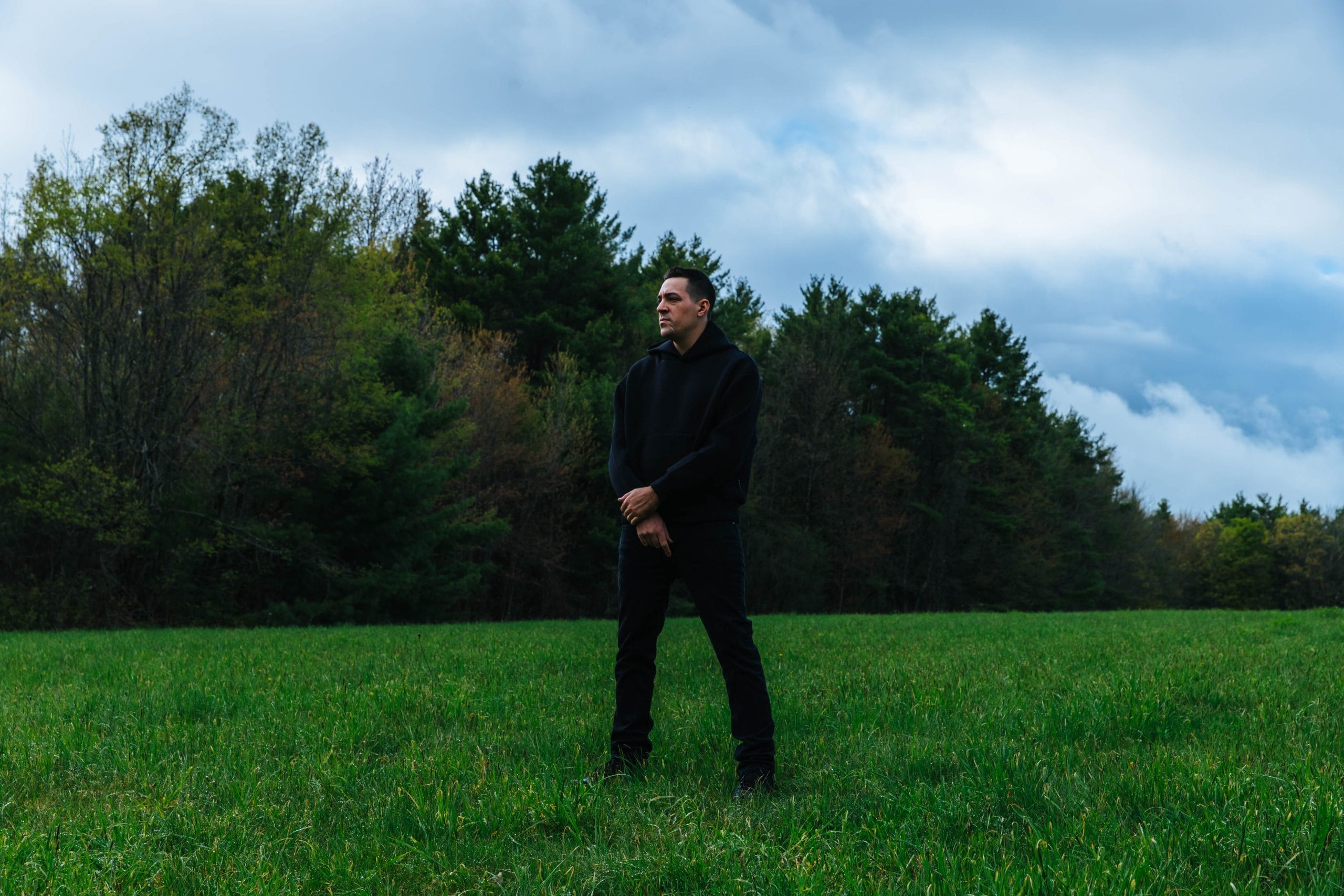
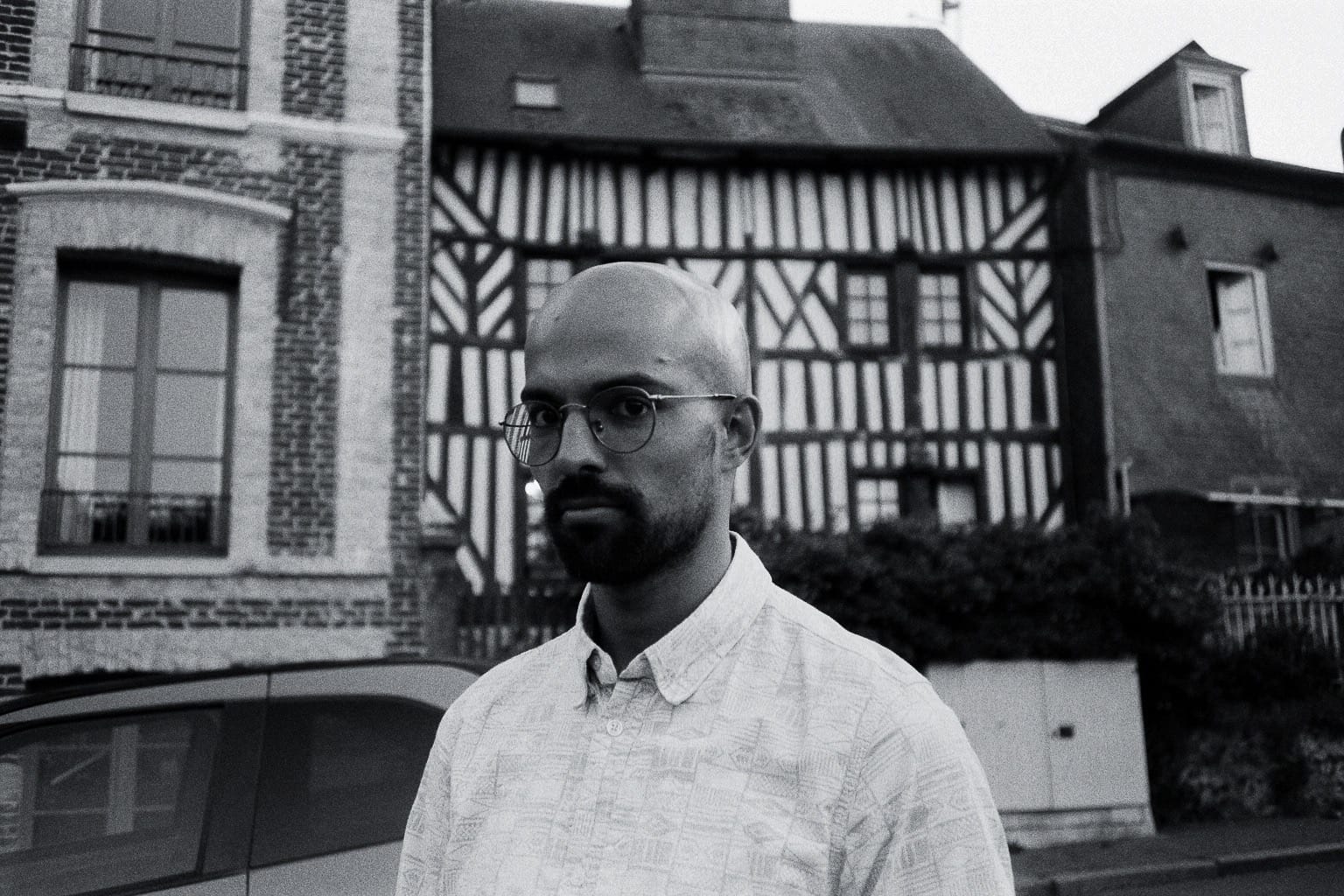
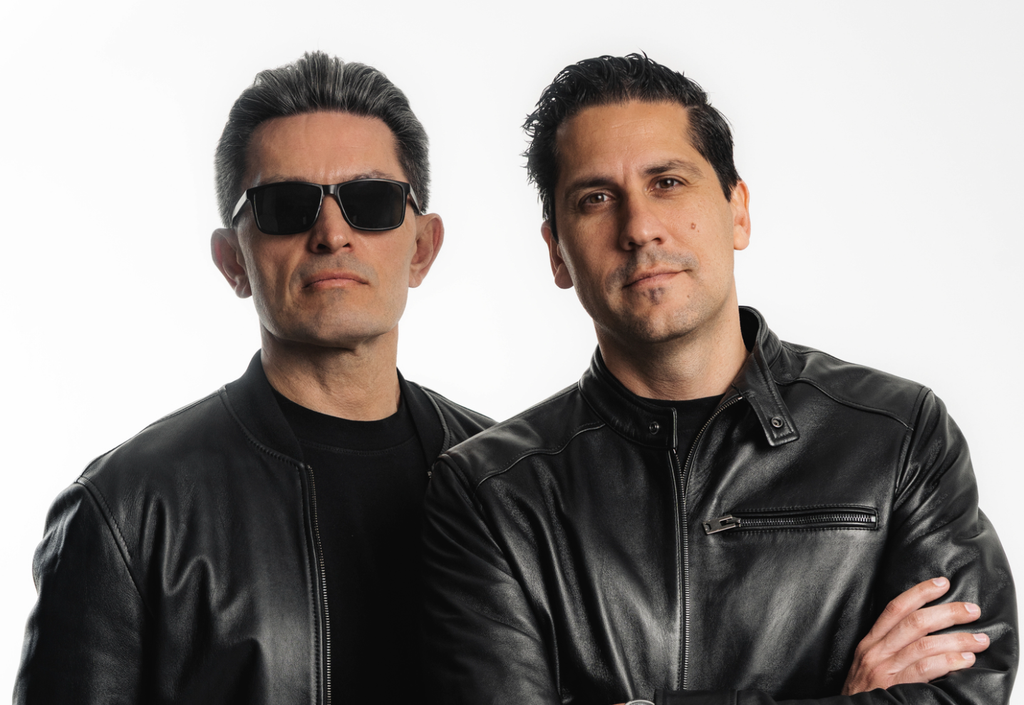
Taking on the brunt of their creative process remotely, Night Breeze and Dias Ridge have fine-tuned their way of working together, each bringing their own expertise to the table to create a track that’s greater than the sum of its parts. Their latest EP, “Deep Into The Blue”, serves as a platform for the sounds of the two producers to converge and it’s through the medium of online collaboration tools and shared digital workspaces that they have crafted an EP that, within only a week of being on the airwaves, has been crushing the melodic and progressive house markets.
The lead track’s success is evident. It has captured the attention of thousands, signaling that the duo’s virtual studio synergy is striking a chord with listeners. As the play count rises, it reflects the resonant quality of their work and the meticulous attention to detail that both Night Breeze and Dias Ridge infuse into their music.
So we took the time to sit down with the two artists and pick their brains about what it takes to make music apart from each other, bounce off the energy of another creative, and some of the best tools and practices to get a track over the finish line.
How did you initially approach the challenge of collaborating remotely on music production?
Night Breeze: Brian and I have known each other for several years – we used to work together and were the two most active people in our company’s Music Production slack room. We’ve stayed in touch since and have been sending each other songs for feedback periodically. A year or so ago we also started having monthly calls to catch up and discuss our music journeys when the idea of a collaboration came up.
We settled on a format where we each sent the other two ‘sketches’, basically 1-2 minute long ideas with drums, bass, chords, and a melody in a quick arrangement. Basically the intro into the first drop. Then, we each picked one of the two ideas to move forward with and build into a full song-length arrangement before passing it back to the other person to finish off and mix. However, we weren’t too tied to the initial ideas- we almost approached them like having a remix pack, where we could make huge creative changes while trying to keep some of the sounds, textures, and ideas from the originals. I actually sort of combined the two ideas that Brian initially sent me into one, using the chords and rhythm from one sketch and the synths from the other.
Dias Ridge: Almost a year ago, Justin and I were catching up on one of our regular calls, and I mentioned that I had been feeling very uncreative in my studio recently. I was interested in trying out a collaboration but was unsure how to go about it since all of my producer friends live in different cities. As it happened, Justin had just been involved in another remote collaboration, and had a framework and some best practices he had picked up. He walked me through the process, and we decided to give it a shot.
Can you discuss any unexpected benefits you discovered from working remotely?
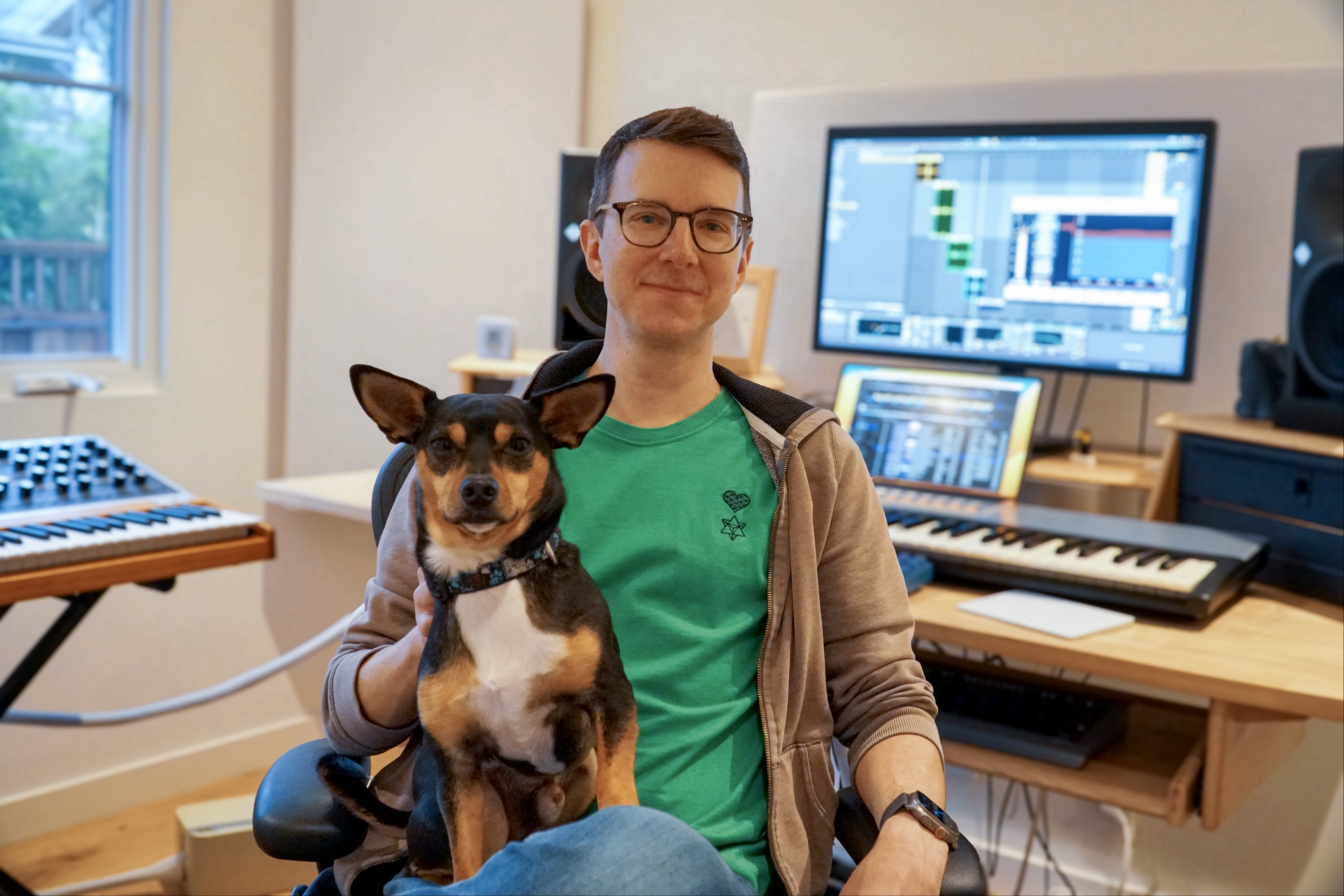
Dias Ridge: One of the key benefits for me is the ability to get into my flow state, and to allow myself to be maximally creative. With someone else physically present in my studio, I find it much more difficult to quickly come up with ideas without second-guessing or judging them before they’ve had a chance to fully develop.
Another benefit in any collab project is the accountability factor to meet deadlines, and in a remote collaboration there’s a stronger pull to meet those deadlines because you might only interact with your collaboration partner once or twice on a call. The rest of your communication is happening over email or text. So for me there’s a lot more to overcome logistically to ask for and schedule an extension rather than just committing to the agreed upon deadlines.
Night Breeze: I’d say it led overall to a faster workflow. For one, we had deadlines, which is always a nice little creative push. Plus, knowing that someone else was there to take over after the first couple steps allowed me to let go of some of the perfectionism that often creeps in during the song making process. And each time I received something from Brian, it was nice to just dive in and use the parts he sent me without overthinking things. For example, if I was making a song by myself, I might spend an excessive amount of time obsessing over the sound design of a synth, whereas when he sent me a synth, I just grabbed what he sent and ran with it. Sure, I made some small changes, but I didn’t fall down the endless rabbit holes that are all too common while producing, which allowed me to stay in the creative flow and get things done.
What were the biggest obstacles you faced in remote music collaboration, and how did you overcome them?
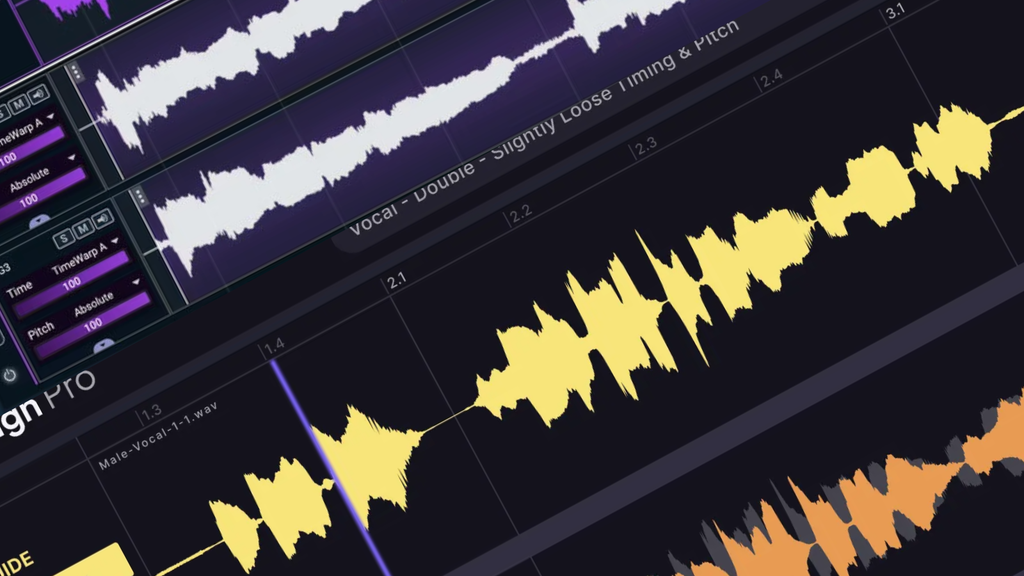
Night Breeze: Overall, the process went pretty smoothly, but there were the standard obstacles around sharing project files and having different plugins. We both use Ableton, which is mostly a good thing, though I could also see an argument for how only sharing audio files back and forth could also be conducive to committing to decisions and moving along quickly. We tried to restrict our plugin use to shared plugins in the early stages, which also isn’t the worst thing in the world, as often having limited choices actually helps with your creativity.
I’d say probably the trickiest part was once we got more into the refining / mixing stage, we didn’t swap the project files back anymore, because at that point we each had way too many different plugins involved for it to be easy and convenient. We’d send over drafts to each other for feedback and notes, though, so it still felt collaborative, but at a certain point, we each took more ownership of one of the tracks to see it through to completion.
Dias Ridge: I think one obstacle that can come later in the process is when you’re working in the arrangement and mixing stages. At that point, I think it can be helpful to be in the same room to describe any feedback and what you’re hearing in the mix. If both producers are working out of different home studios, they will each hear the mix differently. It can be difficult to work out mixing issues remotely. Fortunately, Justin and I already had a few years of experience giving each other mix feedback on our solo tracks, and we are pretty familiar with each other’s “sound”, so this wasn’t a big issue with our collaboration.
What lessons did you learn from collaborating remotely that you would apply to future projects?
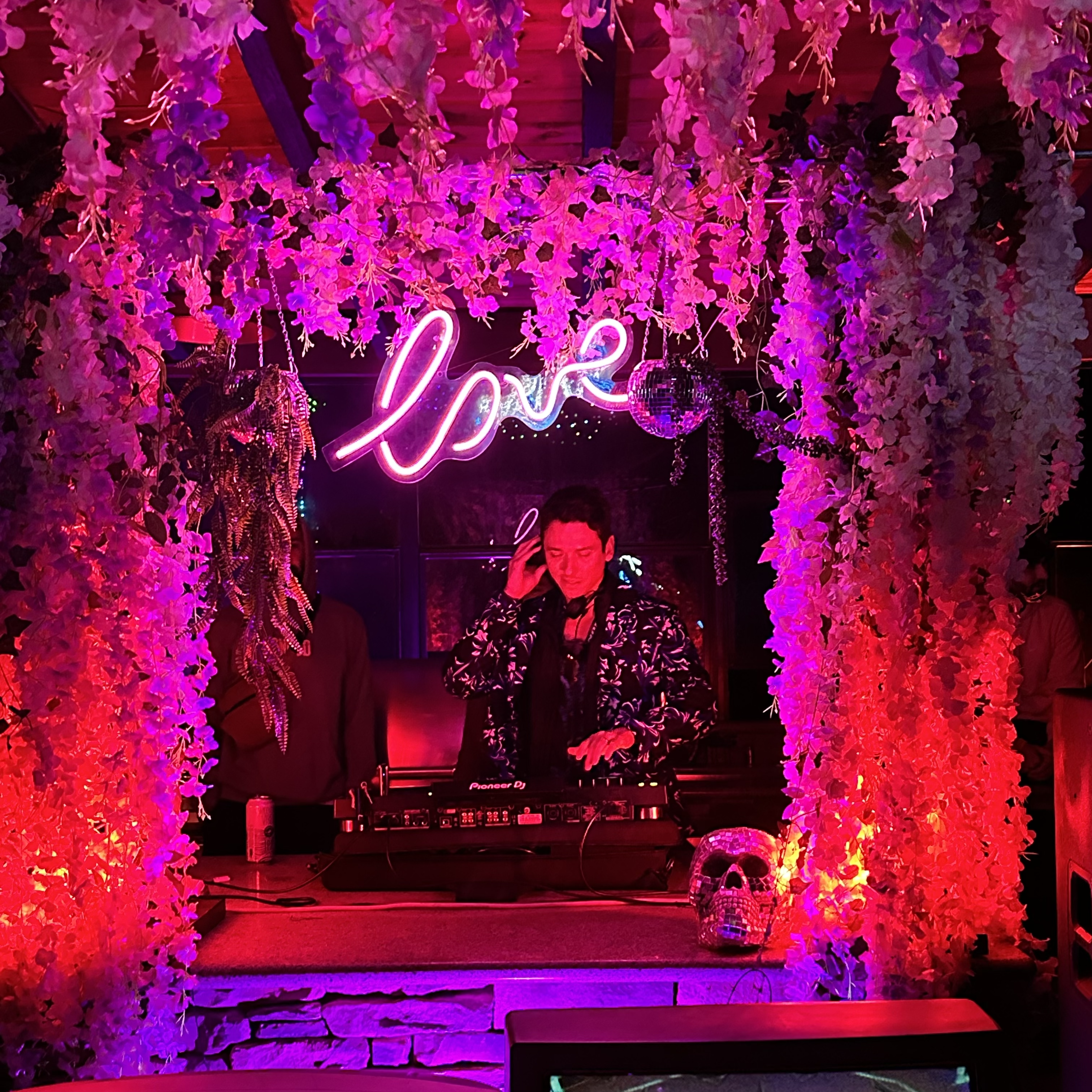
Night Breeze: Coming up with lots of ideas without overthinking how they’ll be used and obsessing over the tiny details really makes your life easier come arrangement time. I feel like we both kind of over-stuffed our initial sketches with ideas, and while you definitely want to trim the fat and streamline at some point, it makes arrangement a lot easier when you can just come in and build a track from what’s already in front of you, instead of trying to keep swapping back and forth between creation mode and arrangement mode.
Dias Ridge: I think I now have more of an open mind when starting a new project, and try not to let any preconceived ideas of the kind of song I want to make get in the way of my creativity. This sounds like an obvious mindset for a new artist, but I had gotten into the habit of trying to make songs of a certain type, sound, or vibe while I was still figuring out what the Dias Ridge project is all about.
Related to the above, I am a little better at committing to ideas that sound good rather than endlessly tweaking them after my ears get tired of hearing them. During the collaboration, in the later stages of arranging Descent, I got so tired of hearing the main theme that I spent an evening creating an entirely new idea around the groove and sent the demo to Justin. He wrote me back an email that, in very gentle terms, told me I was nuts for wanting to abandon the original idea – and he reminded me of the other positive feedback we’d received on it from other producers and friends. A few days ago I stumbled upon the alternative Descent demo, which now sounds pretty dull to me, and am very thankful he convinced me not to throw away the original idea.
Lastly, how do you balance individual collaborators’ creative freedom with the project’s cohesive vision?
Dias Ridge: It definitely helps to collaborate with someone you’ve known well for a while. It’s a lot easier to keep ego at bay and trust that the other person knows what they’re doing just as much as you do.
That said, I think our simple framework where we both came up with a couple ideas on our own at the outset helped increase the probability that we’d be successful in the collaboration. Also, because both our fingerprints are all over both songs in our release, they sound like a nice blend of our styles – which is what I think a collaboration should be.
Night Breeze: Luckily, we make and are into similar enough kinds of music that I didn’t really find this to be a pain point. Not that our tastes or styles are exactly the same, but they’re close enough that I liked everything Brian sent over (and hopefully vice versa!). So, while we ended up with tracks that might not be exactly what I would make on my own, they feel like a fresh yet familiar combination of our styles that would both still fit well in a Night Breeze or Dias Ridge DJ set.

Will Vance is a professional music producer who has been involved in the industry for the better part of a decade and has been the managing editor at Magnetic Magazine since mid-2022. In that time period, he has published thousands of articles on music production, industry think pieces and educational articles about the music industry. Over the last decade as a professional music producer, Will Vance has also ran multiple successful and highly respected record labels in the industry, including Where The Heart Is Records as well as having launched a new label with a focus on community through Magnetic Magazine. When not running these labels or producing his own music, Vance is likely writing for other top industry sites like Waves or the Hyperbits Masterclass or working on his upcoming book on mindfulness in music production. On the rare chance he's not thinking about music production, he's probably running a game of Dungeons and Dragons with his friends which he has been the dungeon master for for many years.