In September of 2023, the creators of the Unity game engine announced a controversial price increase for game developers using their engine. A decision that was met with immediate outrage from the game development community and eventually led to the resignation of the Unity CEO, John Riccitiello. Unity has since then backtracked from their original price increase announcement, but it hasn’t stopped many developers from abandoning their projects in the Unity engine and beginning them again in another engine with more agreeable pricing.
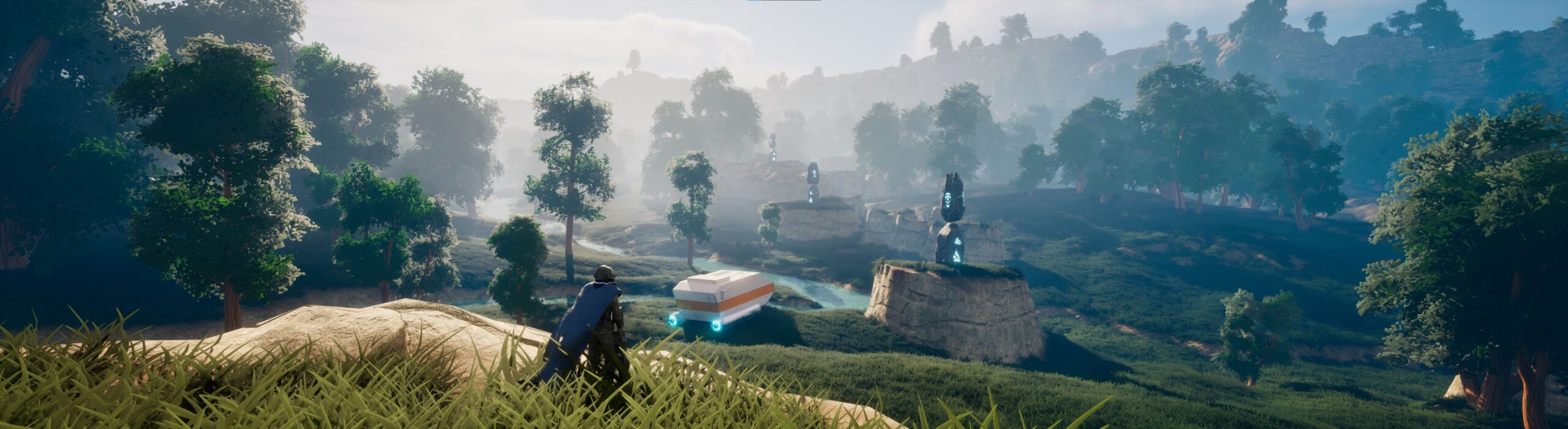
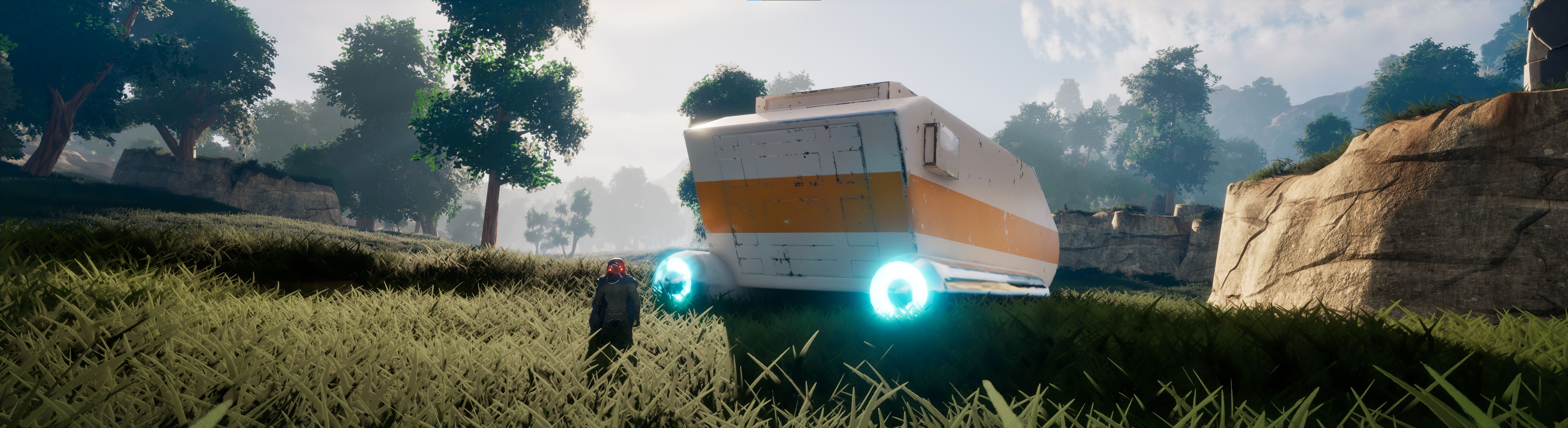
We got a chance to talk to Nahuel Ruda about his experience doing just that. Nahuel is an indie game developer who is working on his first major release, a co-op story driven space themed action-RPG called The Universal. We got a lot of very interesting details about the game that Nahuel isn’t quite ready to share just yet (although we will sprinkle in some screenshots he was nice enough to share with us), but what he had to say about his transition from the Unity engine to Epic’s Unreal Engine 5 was very interesting. Let’s get into what he had to say about his experience.

What would you say was the main motivating factor in switching from Unity to Unreal Engine 5?
Actually, the main motivator was the whole fiasco that happened towards the end of last year where Unity decided to start charging per install or per download if you were a developer. So what it came down to was that I saw what they were doing as a really predatory business practice. It was really hurtful for indie developers.
What drew you to the Unity engine in the first place to start your development process on The Universal?
Unity is really easy to get into in terms of learning and you can take a couple easy courses and make something basic, but as you progress into development and specifically when your graphics get more complex, you need to start to buy a lot of tools which also sometimes have add-ons themselves (additional functionality, content, etc). So now you’re not just dealing with unity, but other individuals or entities that are making add-ons and they don’t always work together. Unless you have the time to write everything from scratch. That’s one of the things I love about Unreal is that it has so much already built in.
How much do these add-ons typically go for?
It’s all sorts of price ranges, but it depends on what you’re buying. It can go from five dollars to several hundred depending on what you’re buying. Then sometimes, like when you’re buying tools, they can have add-ons also. So things can quickly add up. Which made the decision to switch to Unreal even harder, because I had already spent so much accumulating add-ons in Unity.
So one of your main motivators for making the switch was predatory business practices from Unity, but do you have any thoughts on Epic’s own predatory business practices?
Well one of the things Epic does do is they take a 5% cut of your game. Unity didn’t do that until they presented this new plan that they have. Epic has just always done that. I think I feel more respect for Epic just because they are trying to cut into the market of online game distribution against Steam, which is the behemoth, and Steam takes 30%. At one point Epic decided to take just 12% of your sales which I think is pretty cool. They do take a 5% royalty from you, but it’s only after a certain amount is sold ($1 million).
What was it like to make the switch? You decided you didn’t agree with the direction Unity was going, you chose Unreal Engine 5. What was it like to transfer everything you’d done so far?
It was a lot of work. I kind of became a hermit for a few months. It was me finding the best courses I could find, finding the documentation, and experimenting. I’d say in the four or so months it took me to transfer all my progress, about three of those were just experimenting with stuff that had nothing to do with my game. I was taking courses, reading all the documentation and literature, just figuring out how it all works. That was my deep dive. I would get off work, be up until 3 in the morning, then go to work again. Then after those few months and I had a grasp of the mechanics, I could start building out my vision.
It turns out my progress wasn’t really transferable, but Unreal Engine 5 is very flexible so it allowed me to regain all my progress really fast.
Can you give me an example of how Unreal is “flexible” in comparison to Unity?
So it comes back to what we got into before which was the add-ons in Unity. I was talking to a friend about this the other day. It’s a problem of having tools that don’t sync together. It makes things really hard. Sometimes things work great together, but sometimes you end up spending over half your time debugging two tools that aren’t working together. In Unreal Engine 5 you only spend a small amount of time debugging because most of the tools are so well integrated into the engine.
Is that because all the tools are created by Epic?
Not exactly. Epic has their own developer marketplace where people create tools and assets. The difference is that Unreal just has so much functionality built in already that it’s not as necessary to venture into that as an indie developer, although it can be useful. It’s similar to the Apple ecosystem or the Native Instruments ecosystem where things are easily put together in terms of instruments. I use a Machine MK3 as sort of a universal tool to work with when I don’t wanna look at the screen which is pretty cool. I can look at that and use a virtual synth and a drum machine and experiment really quickly with sound or music or whatever I’m doing. I look at it as the same as that.
Are there any drawbacks you’ve experienced so far using Unreal Engine 5?
Yeah there are a few things that Unity did better. It’s mostly on the development side. I find myself having to reload the engine a lot to change code. So usually you work in the engine itself but you’re changing the code in a code editor. So it’s two different programs you’re using. Unity was pretty well integrated and you didn’t have to reboot very much at all. In UE5 there are tools to do that but I’d say it’s a little more buggy. But for me the advantages are so great that it’s definitely worth that little drawback.
And what are some other advantages Unreal Engine 5 has?
For me, and this might not be the case for everyone, it’s much easier to create an environment and populate it with objects. This is probably subjective but it’s much smoother to just sculpt out things you want into the landscape or plug things together and make it work. Unity does have a lot of that, but the workflow in UE5 is just better for me personally.
Would you say that Unreal Engine 5 feels more modern?
I think it’s more streamlined when you get into more advanced systems. It comes back to what I was saying earlier which is that Unity is much easier to start with. UE5 can get really confusing, especially if you’re not familiar with programming or you’re starting out without having learned any other engine. There’s just so much to learn and so many tools to use. But if you’re coming from another engine it’s a lot more streamlined.
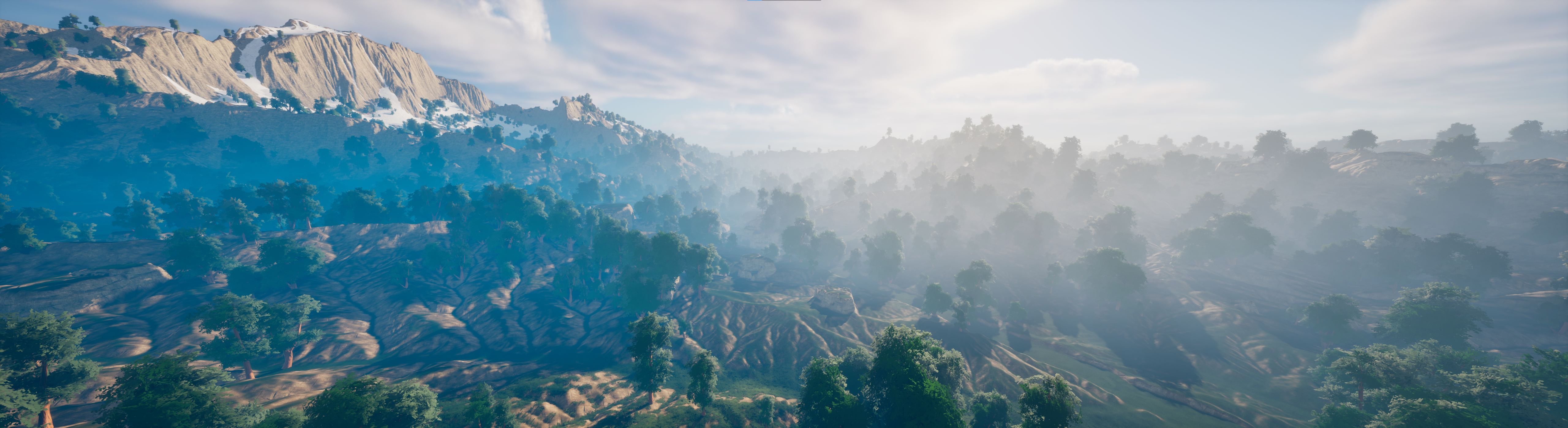
We talked with Nahuel a lot more what we can expect from The Universal and it’s really exciting. Stay tuned for more on that as his development continues. In the mean time, go follow him on Twitter (X), Tik Tok, And Instagram!