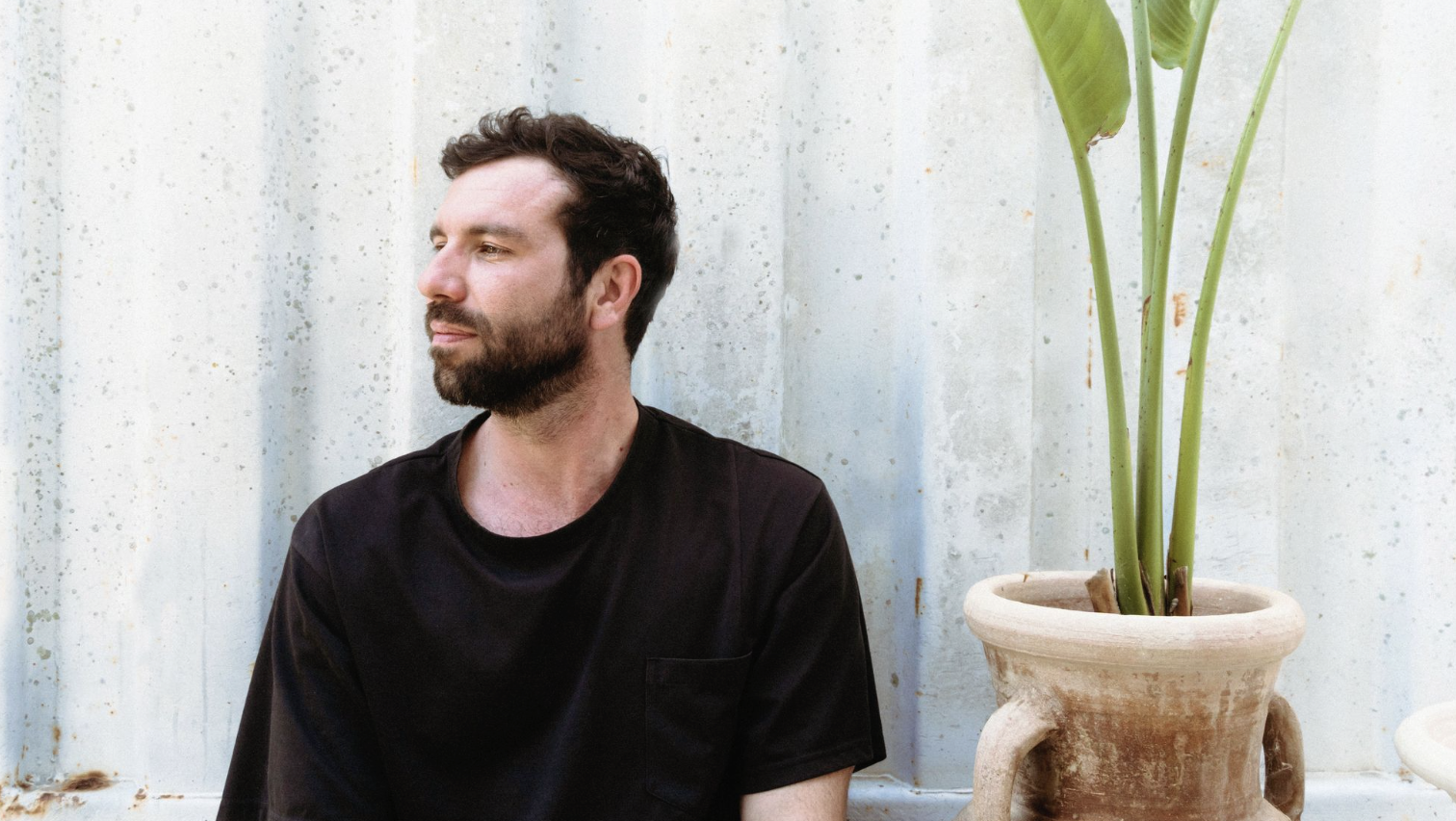
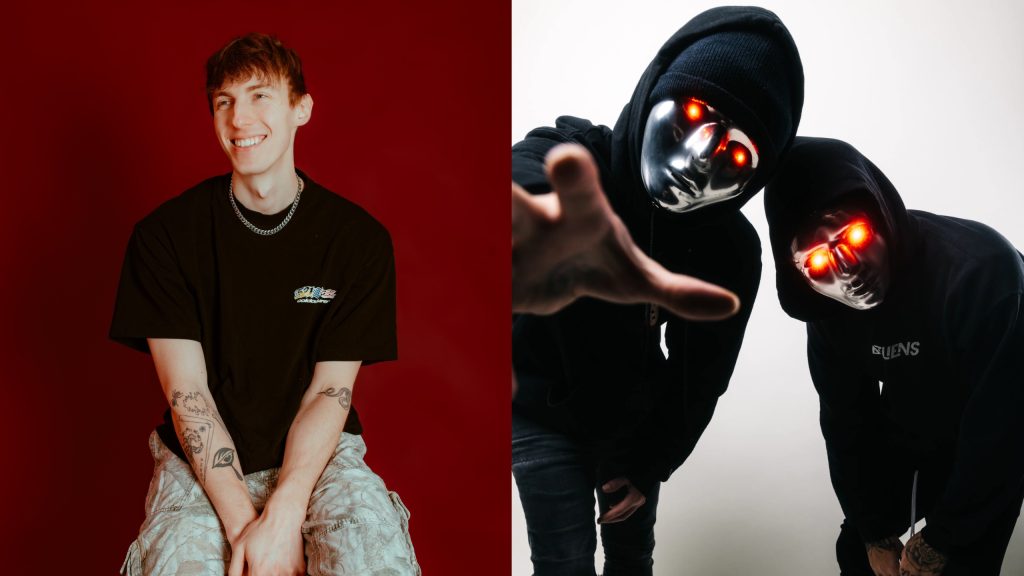
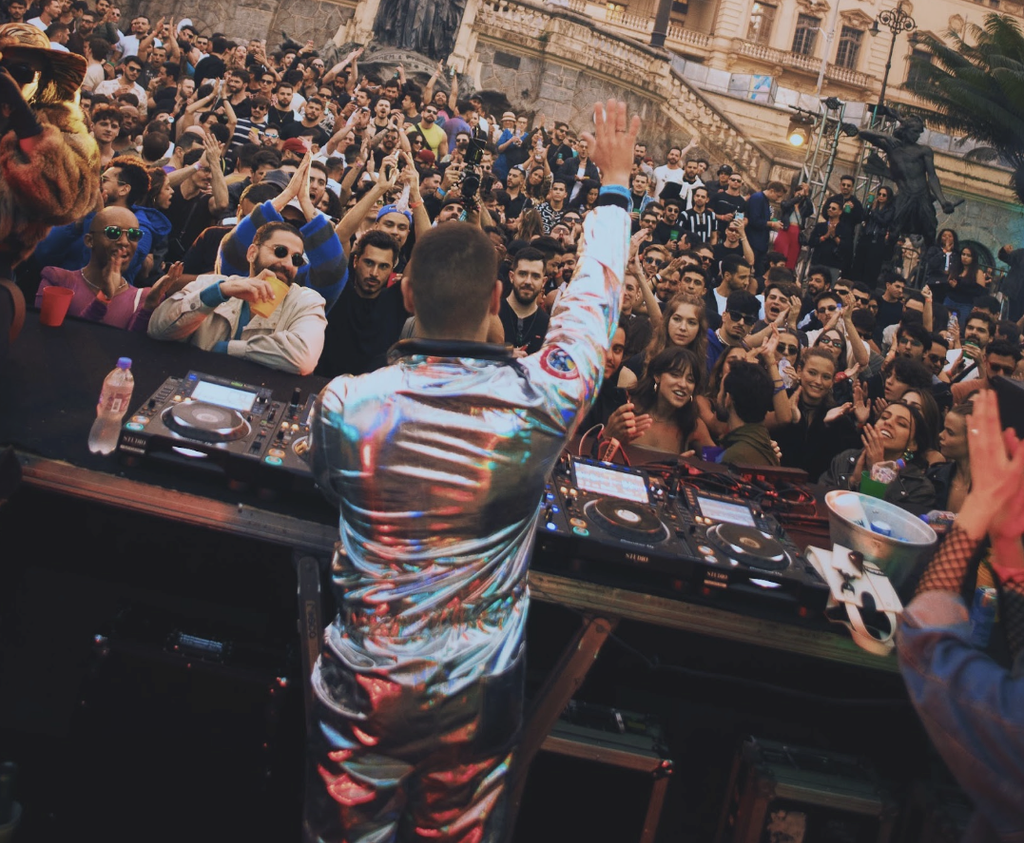
In a massive leap into the heart of Latin American electronic music, CRRDR, alongside ROOi, dropped “En Tu Cora,” a single that’s creating some new naming convention within the popular array of dance music genres.
This collaboration marks a significant moment for CRRDR, a pioneer in the ‘Latin Core’ movement, a genre that merges Latin music rhythms with dance music’s energy. “En Tu Cora” tells its story through emotions, crafted over three years, from 2021 to 2024, offering listeners a blend of Colombian and Argentine sounds that define Latin Club music today. This release underlines CRRDR’s commitment to challenging stereotypes and pushing the boundaries of Latin American electronic music on platforms like Boiler Room, Vogue, BBC 6, and Mixmag.
‘Latin Core,’ a term that resonates with a growing fanbase, stands at the forefront of CRRDR’s exploding career. This movement, spearheaded by CRRDR through his projects Traaampaaa and Muakk, brings a fresh perspective to the electronic music scene, bridging cultural expressions with modern soundscapes. “En Tu Cora,” released on March 1st through Headroom Records, amplifies CRRDR’s vision while also sheds light on the essence of ‘Latin Core’ as a genre and movement, promising to leave a lasting impact on the industry.
Stream The Track Below Or Support The Single Here
Tell us what Latin Core is and what it stands for as a movement and genre.
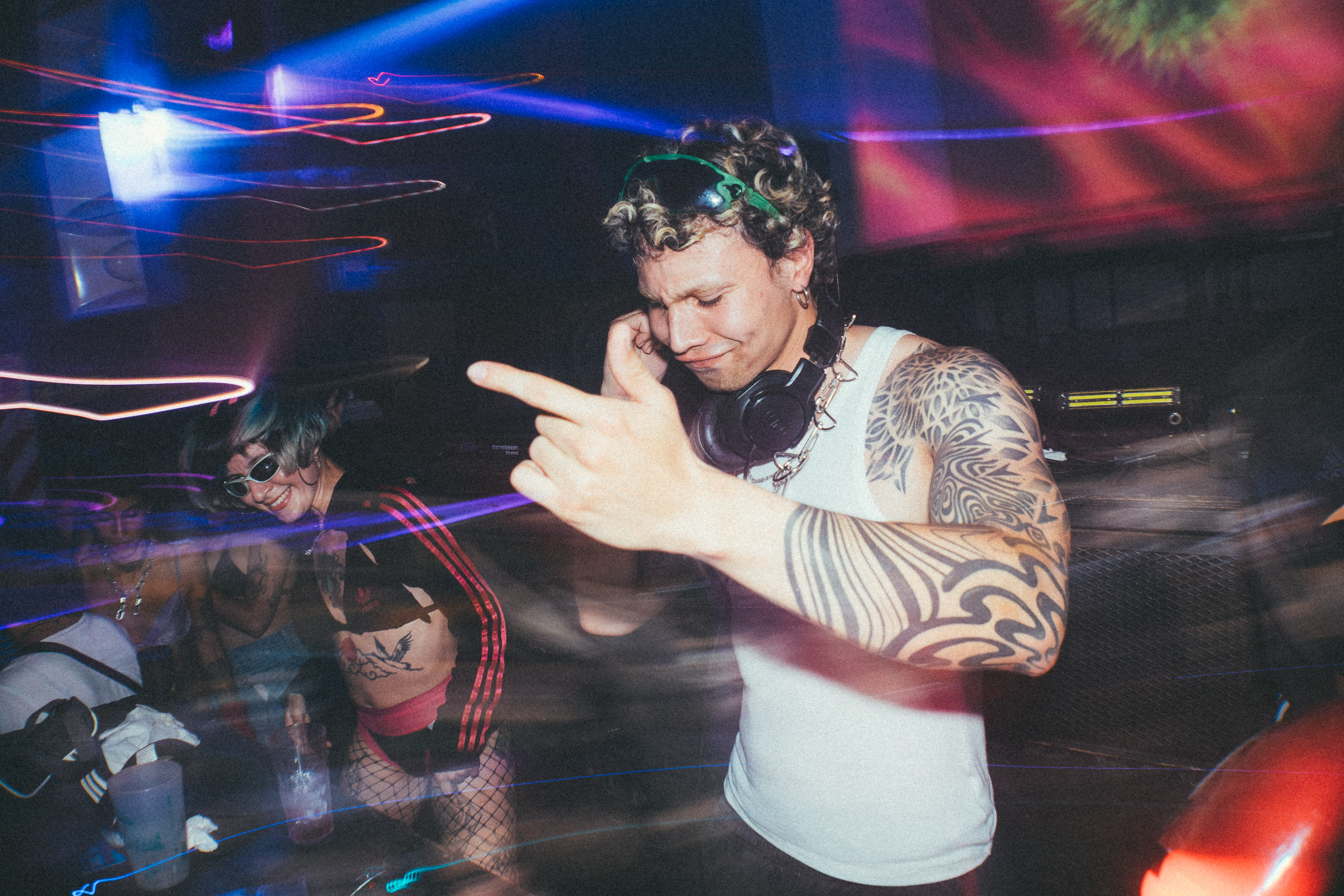
Latin Core is a genre that emerges from Latin club references and the exploration of Latin American music within the electronic music scene. Initially, it served as a tag to define these explorations on SoundCloud, as we struggled to categorize this type of music on both SoundCloud and at the parties we organized in Bogota and elsewhere. Early on, especially post-pandemic, there were references to fast music, leading us to connect the genre with an exploration of 140 bpms and higher. The “core” in Latin Core comes from genres like nightcore and hardcore, reflecting our desire to infuse accelerated music with a Latin touch that was also memorable. Thus, Latin Core was named, initially as a jest, but it gradually gained recognition and acceptance as a subgenre of electronic music.
Essentially, Latin Core explores Latin American music blended with electronica at high bpm rates, integrating vocals, rhythms, percussion, and melodies characteristic of Latin American music. This blend produces a distinctive sound with strong beats and hard kicks tailored for clubs and parties. As a movement, Latin Core is distinguished by its DIY spirit, as this type of music often isn’t featured in Latin American clubs, emerging instead as a counterculture to the predominant electronic music scenes, such as techno. Latin Core aims to create spaces for people to freely enjoy music, often originating from queer parties and LGBTQ+ collectives, offering a fresh, inclusive alternative within the music landscape.
How did your upbringing influence your desire to create and champion this movement?
Personally, I wanted to get out of the status quo of electronic music in Colombia and Bogota. White and European techno has always been predominant. There have always been canons of what electronic music should be and how it should be made. Personally, I feel that music, being art, should not be defined by how it sounds or how it should be made.
That’s why I decided to start exploring music from my vision and what moves me. Because of this fact, I also decided to appropriate my roots and the music that resonates in my city. Additionally, I wanted to make music and start building spaces with my friends. In these spaces, we could simply play and make music to have fun and spend happy moments. Here, we could simply enjoy the music without any kind of judgment.
What artists outside of electronic music most greatly inspire the music you’re making?
For me, my influences outside of electronic music have been some hip hop genres and above all the beats I have liked what beatmakers like J Dilla, Dr Dre, Quasimoto/Madlib and MF Doom have done; in Salsa music I really like Willie Colon, Hector Lavoe and the whole Fania Records movement, and in Merengue music I like what Oro Solido, Fulanito and Proyecto Uno did.
Where is Latin Core picking up the most steam? Is it on DJ mixes, local radio, or underground clubs?
From what I’ve noticed, the Latincore has been developing and gaining strength by SoundCloud mixes and bedroom djs and little by little big DJs have been including it in their mixes; I think that also many people who have been growing and becoming referents have allowed this music to be more taken into account, for example Tayhana, Cardopusher, DJ Babatr, Nick Leon and above all the Boom of Tratratrax, I feel that they opened the door of interest in Europe about what is happening in Latin America and therefore open the eyes around the “Latin Core”.
What about Latin Core makes you think it has staying power in the wider industry and isn’t just a passing trend?
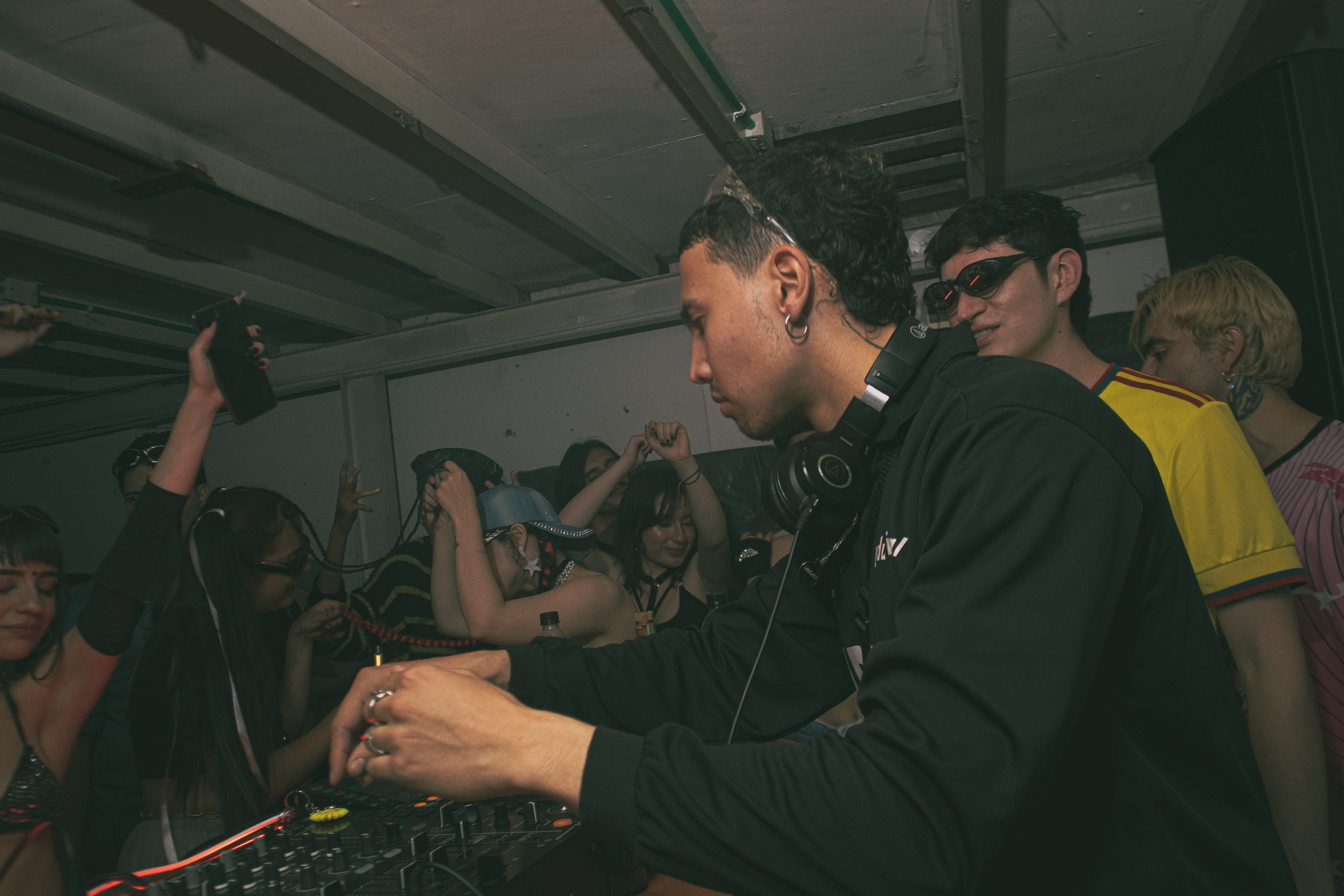
I think the important thing to highlight here is that it is a movement created by and for Latin Americans in the world, as well as being a rhythm focused on the dance floor has everything to last, I feel that the most important thing here is that we must unite and create a network of partners in the world where music created in Latin America is promoted and above all prioritize the professionalization and organization of Latin American artists, producers and promoters.
So as large movements have been established throughout the world, the most important thing is to understand the dynamics of the industry, and therefore not to think in the short term but in the long term as a movement so that we organize ourselves and have something that is maintained and inherited to the next generations of artists, producers, promoters, organizers.
I feel that the most important thing is to understand that we need to empower this sound and music as something of, by and for everyone who enjoys it and not just a few people.

Will Vance is a professional music producer who has been involved in the industry for the better part of a decade and has been the managing editor at Magnetic Magazine since mid-2022. In that time period, he has published thousands of articles on music production, industry think pieces and educational articles about the music industry. Over the last decade as a professional music producer, Will Vance has also ran multiple successful and highly respected record labels in the industry, including Where The Heart Is Records as well as having launched a new label with a focus on community through Magnetic Magazine. When not running these labels or producing his own music, Vance is likely writing for other top industry sites like Waves or the Hyperbits Masterclass or working on his upcoming book on mindfulness in music production. On the rare chance he's not thinking about music production, he's probably running a game of Dungeons and Dragons with his friends which he has been the dungeon master for for many years.