What We’ll Talk About
Studio monitors are usually one of the first serious purchases a producer makes, and they tend to stay in the room longer than almost anything else.
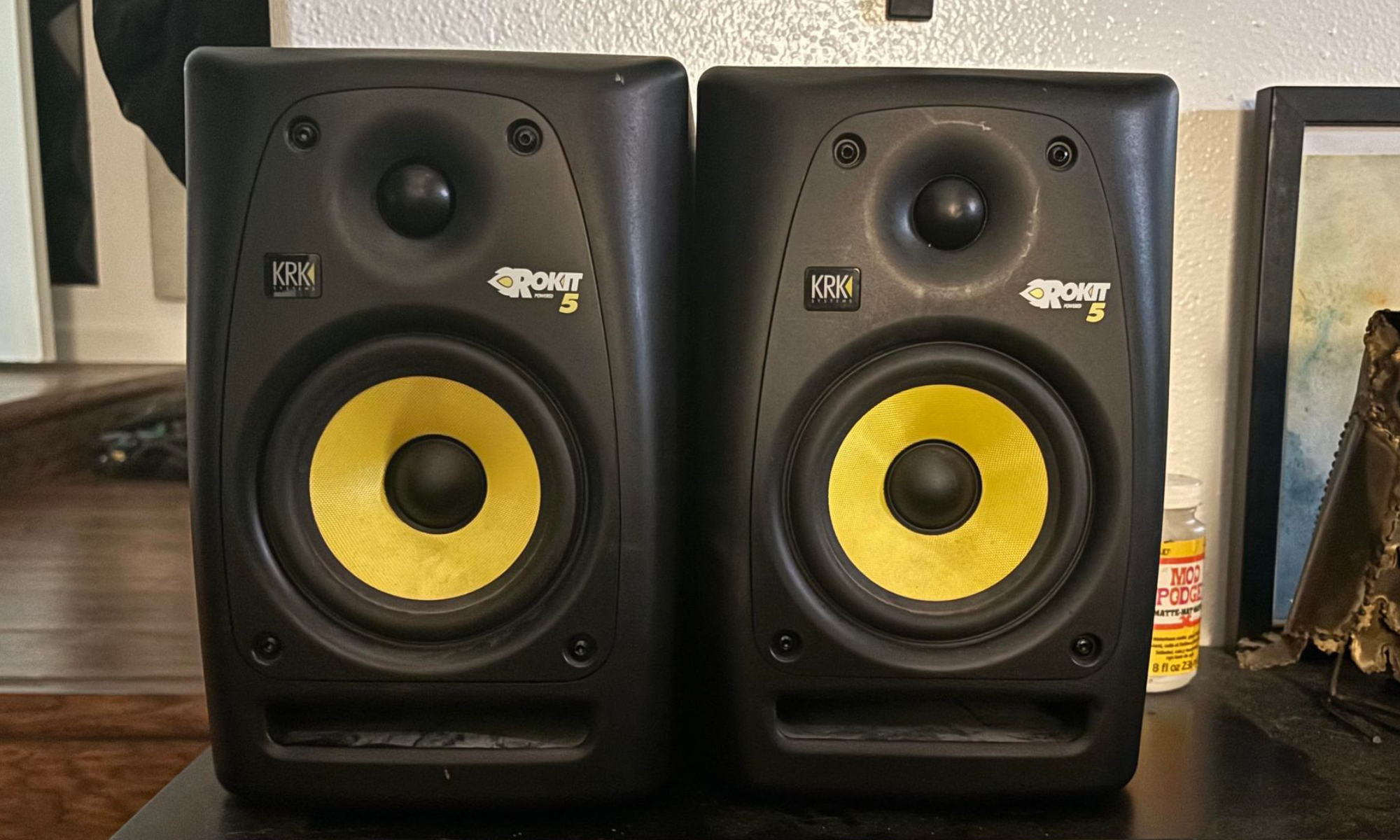
My first real pair was a set of KRK ROKIT 5s about ten years ago, and through new versions of Ableton, different hardware phases, and plenty of changes in how I make music, those monitors stayed on the desk.
That is why the KRK ROKIT 5 G5 caught my attention. KRK has been one of the default names in entry-level home studio monitoring for years, especially for producers building their first room, DJs working from a desk setup, and artists who need a pair of monitors that can handle writing, editing, and mix decisions without forcing a huge upgrade in budget.
The question in 2026 is not whether KRK still has name recognition. It does. The better question is whether the ROKIT 5 G5 still makes sense when producers have cleaner compact monitors, room-correction systems, wireless options, and higher-end desktop speakers fighting for the same space.
I spent time with the ROKIT 5 G5 to see where it fits now, who it serves best, and where it falls short. Below, I’ll break down the specs, the features that matter most for daily studio use, the parts I liked, the areas that could be better, and whether this is still one of the smarter first-monitor purchases for a home studio in 2026.
Learn More About These Monitors While Supporting Our Team of Writers Through Our Affiliate Partnership With Sweetwater Here
But is the KRK ROKIT 5 G5 still worth buying in 2026?
Yes, the KRK ROKIT 5 G5 is still worth buying in 2026 if you want a 5-inch powered studio monitor under $400 per pair with room-tuning controls, three voicing modes, and enough level for a small studio.
It is best for producers, DJs, editors, and home studio owners who need a capable pair of first monitors.
What Is The ROKIT 5 Generation Five?

The ROKIT 5 Generation Five from KRK Systems is a state-of-the-art active five-inch, two-way studio reference monitor designed to meet the needs of musicians, producers, and sound engineers worldwide.
This line of monitors stands out for its three voicing modes: Mix Mode, offering a flat frequency and phase response; Create Mode, which provides more inspirational voicing; and Focus Mode, which delivers a mid-range focused output for detailed analysis of vocals and instruments.
With 25 boundary and tuning EQ settings, users can customize the monitors’ output to match their specific studio acoustics, ensuring top-notch sound quality.
These monitor feature new KRK transducer designs optimized for improved response and accuracy, allowing users to capture every detail of their audio production. The addition of woven Kevlar® aramid fiber cone woofers enhance durability and audio performance, reducing modal breakup. A silk dome diaphragm tweeter smoothly extends high frequencies up to 40 kHz, ensuring a wide and precise soundstage.
Powering these advanced components, the ROKIT 5 Generation Five utilizes bi-amplified Class D amplification, for a total output of 55 Watts (35 Watts LF and 20 Watts HF), that ensures sufficient headroom and dynamic range. This efficient power management helps the monitors maintain audio integrity during long work sessions by operating at lower temperatures.
The monitors’ wide frequency response ranges from 43 Hz to 40 kHz, with a precise crossover frequency set at 2.27 kHz. It boasts a maximum SPL of 104 dB, enabling precise and loud playback without distortion. The monitor includes a balanced XLR and 1/4 inch TRS combo inputs. The sturdy and durable enclosure and the structurally reinforced high-impact polystyrene baffle guarantee the monitors’ longevity and reliability in demanding studio environments. Optional accessories, such as a mounting bracket and adapter, offer flexibility in studio setup.
But now that the vanilla and potentially dry tech specs are out of the way let’s dive into what I loved and didn’t know about these monitors.
Editor’s Choice Award
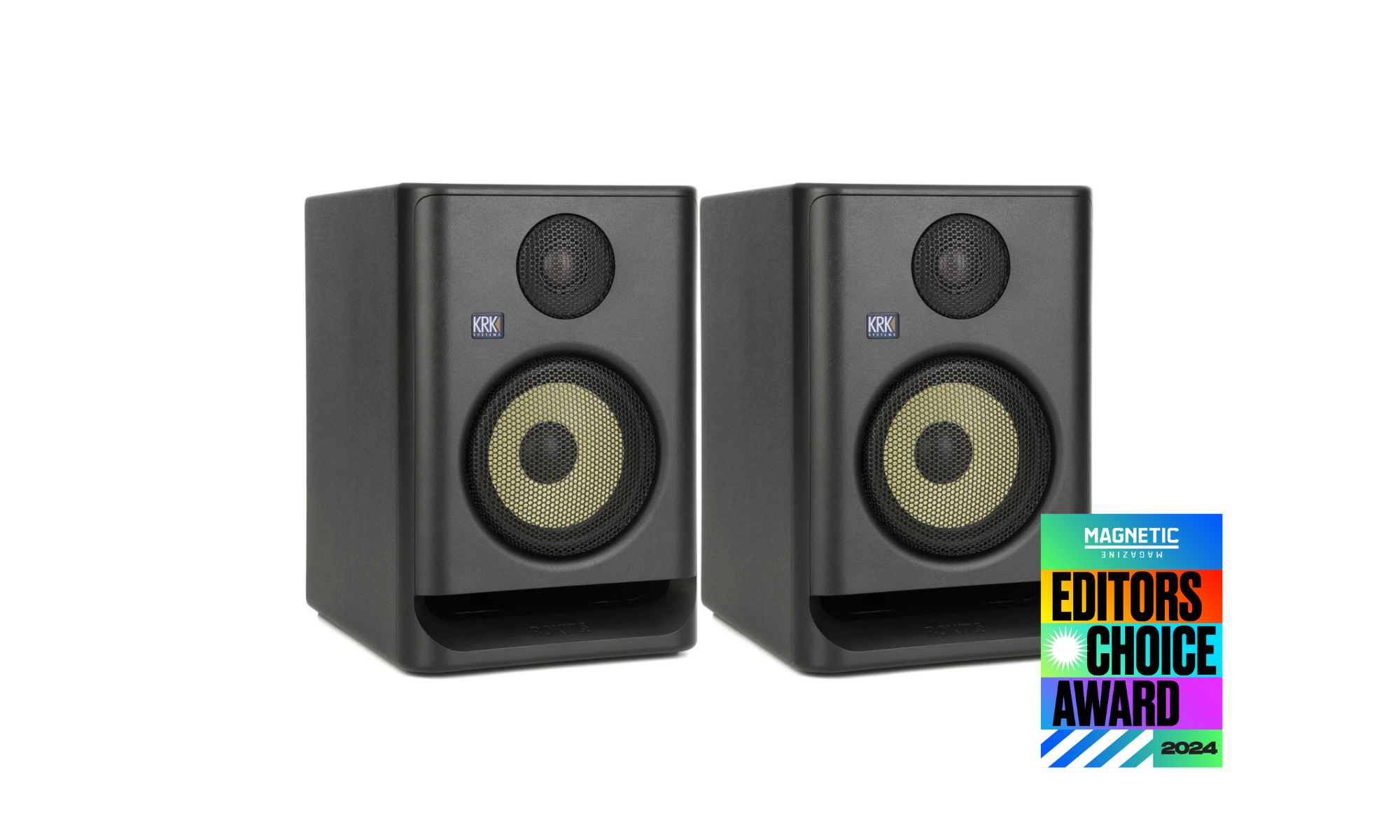
Since rolling out the Editor’s Choice Awards last year, where we award our signature badge to some of the best and most innovative products on the market, we’ve been hyper-selective about what types of gear earn such credentials.
While the ROKIT Five G5s may not redefine a product as much as the Akai MPC 37 Key did with all-in-one workstations, the monitors do bring an incredible amount of value for producers early on in their journey. If you’re looking for A-tier monitors to build an entire career and sound profile off of, there are other options out there that will cost ten times as much.
But if your goal is to find a fantastic entry-level monitor that is miles ahead of most others at this price point, these are a fantastic option and well deserving of our Editor’s Choice Award badge.
What I Liked Most About The ROKIT 5 Generation Fives
They Look Great
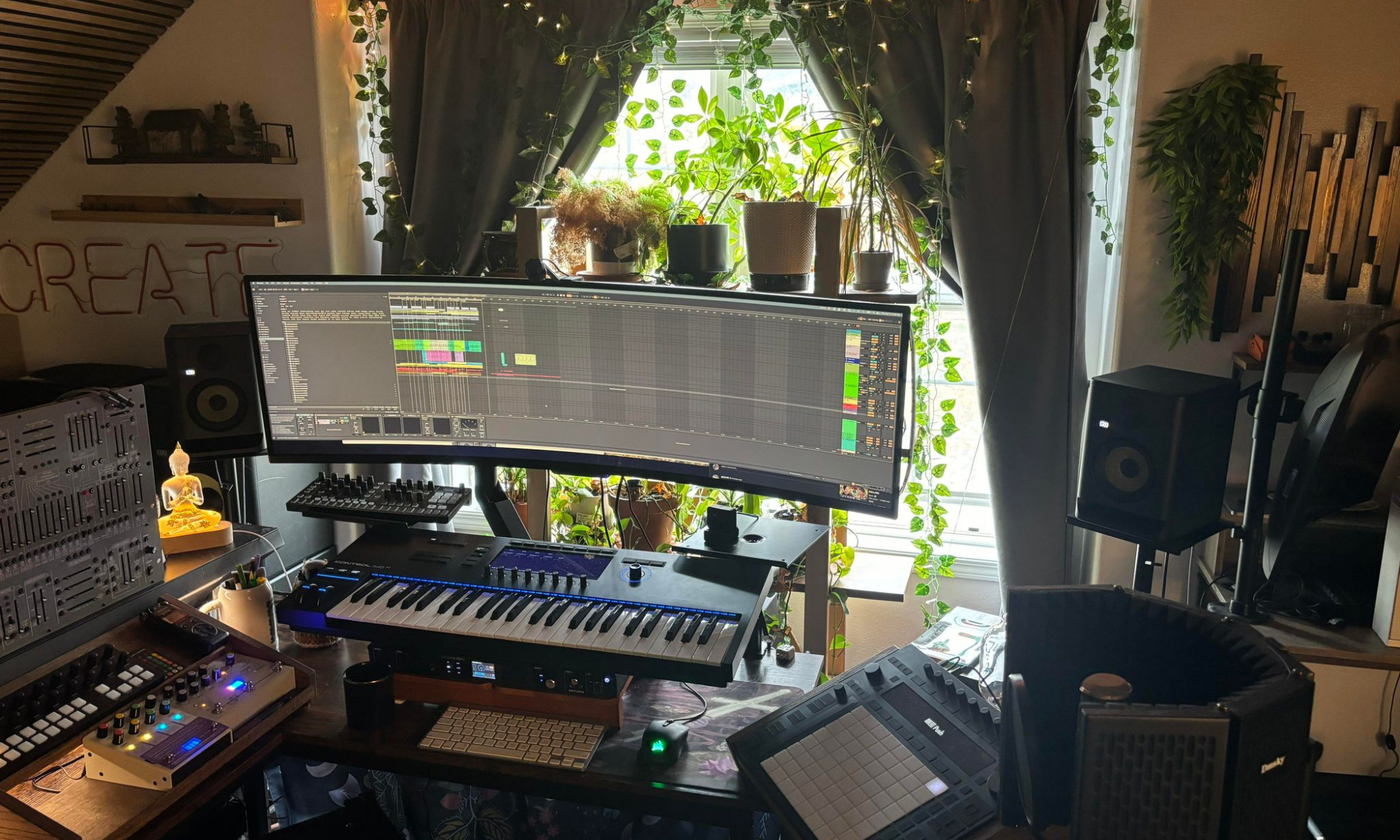
Let’s start off with the obvious: these monitors look sleek and, generally, super cool. But is the look and aesthetic of a monitor like this equally, if not more, important than the sounds coming out of them? This might sound like a hot take, but I would argue that it’s essential for this exact type of studio monitor.
So let me explain.
The pair of monitors is an approachable $398, at the time of writing this review. These are not monitors aimed at A-tier engineers getting Hollywood-level paychecks. They’re targeted at entry-level artists and mid-tier hobbyists who love producing enough to make a solid investment but don’t want to break the bank doing so.
I remember a decade ago when I was 22 and looking to buy my first pair of serious studio monitors for my humble bedroom studio space – I wanted something cool. Whether it was my naivety or just my youthful attraction to dope stuff, I would even go as far as to say I would have been willing to sacrifice small amounts of sonic quality in exchange for something that I loved looking at and that got compliments from my friends.
The ROKIT 5 Generation Five does this without even taking a hit in sonic quality. They sound just as good, if not a bit better than you’d expect for a pair of monitors with this price tag.
They’re Affordable
I touched on this above, but it bears repeating in its own dedicated section – these monitors are incredibly affordable. Sitting at less than $400 for the pair, they offer a lot of bang for their buck.
We’ll discuss the ideal customers who could benefit from a set of monitors like this. Still, the approachable price tag opens up so many more use cases for these monitors outside of the conventional studio work that most people, at least in my little echo chamber, could associate them with.
DJs could use them for their home practice setup without breaking the bank, gamers could soup up their rigs improved audio, and they could even be great home speakers for your television or home entertainment system. That’s a lot of power for the specs you get (shared below as they stand today in 2026)
| Spec | KRK ROKIT 5 G5 |
|---|---|
| Speaker type | Active 5-inch two-way studio reference monitor |
| Price | Around $199 each |
| Pair price | Around $398 |
| Frequency response | 54Hz to 30kHz |
| Max SPL | 104dB |
| Power | 55W total |
| Inputs | Balanced XLR/TRS combo jack |
| Main features | Three voicing modes, KRK app support, DSP room tuning |
| Best for | Small studios, home production, DJ prep, editing, general listening |
They’re Versatile
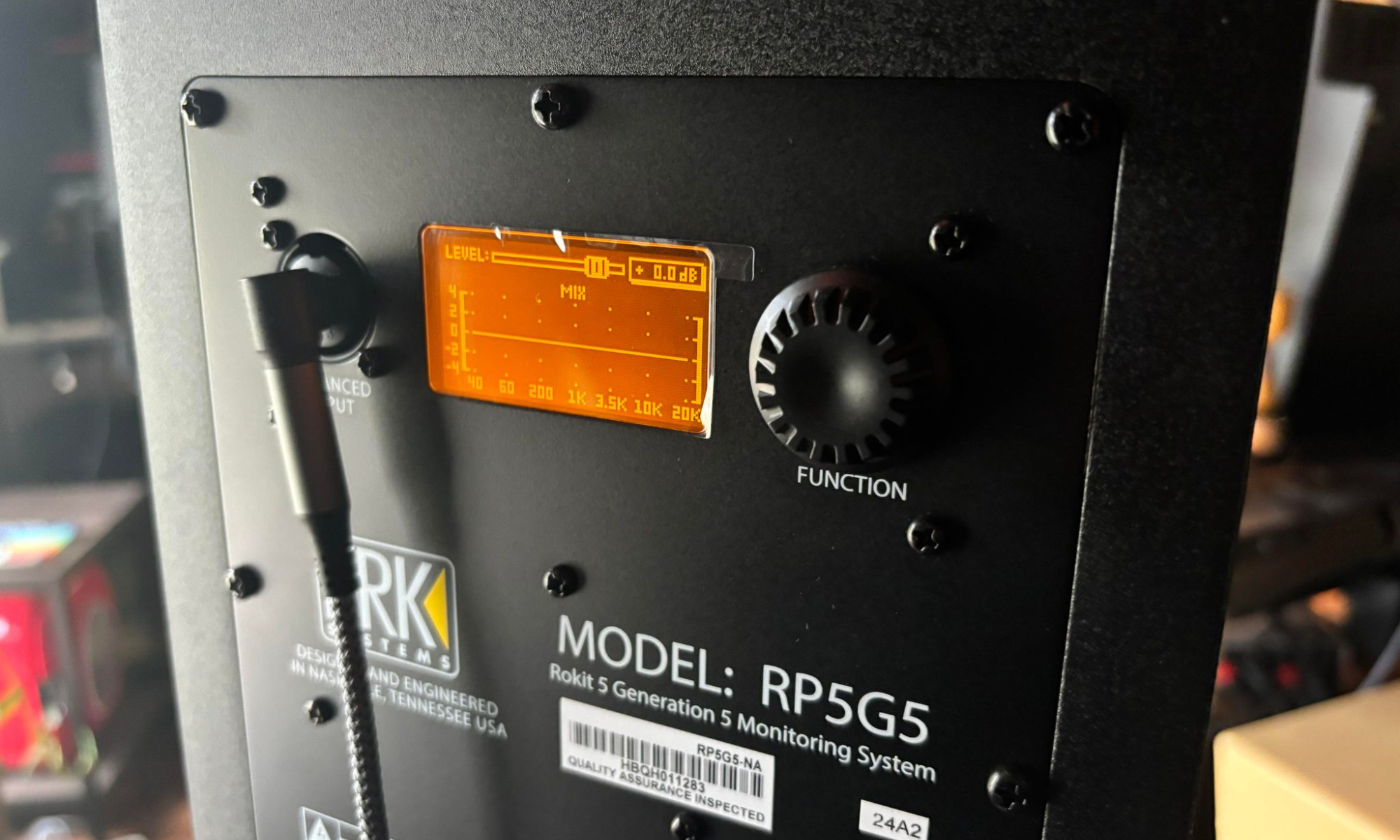
The versatility of the ROKIT Generation Five monitors extends beyond just their use cases, or more so, their use cases are extended further by a few bells and whistles that help you get the most out of them. The most important of these are the sonic profiles that color and shape the sound for certain situations through the three modes:
- Create Mode: This voicing mode gives a slight dip in the midrange, with a brighter and warmer perception of the mix designed to inspire and motivate you.
- Focus Mode: This mode slightly boosts the midrange for clearer and more easily definable instruments and vocals, and a more effortless listening experience. It also allows you to dial in mixing on vocals and primary instruments.
- Mix Mode: This voicing mode has a flat response for predictable and even mixing sessions.

What I Wasn’t Impressed By
HE KRK AUDIO TOOLS APP NEEDS MORE FEATURES
The KRK Audio Tools app is a great complement to the KRK monitors (or any monitor brand you might use). It offers a variety of tools, like Spectrum RTA, Level Meter, Delay, Polarity, Monitor Alignment, and even EQ Recommendations – but it doesn’t yet make it possible to directly control the voicing modes of these newest KRK monitors.
I often rant against hardware requiring apps to get the most out of them, but this could have been an essential combo, and I think that omission is a massively missed opportunity.
Having to go behind my studio desk twice (once for each monitor) to change the voicing mode is just enough friction in the process for me to avoid doing it consistently. I would have loved to have been able to toggle between the modes from a desktop app, footswitch, or phone app.
Who Are The ROKIT 5 Generation Fives For?
Producers
This is obvious, as most people looking to snag these monitors will be music producers, artists, musicians, and mix engineers. While I’ve spent most of this review extolling the monitors’ functionality for new producers, remember that ROKITs could also be a great set of reference monitors for those more established in their careers.
The different voicing modes could help give you a quick and easy spread of sound profiles to help further dial in your mix apart from just the standard monitor setup.
Gamers
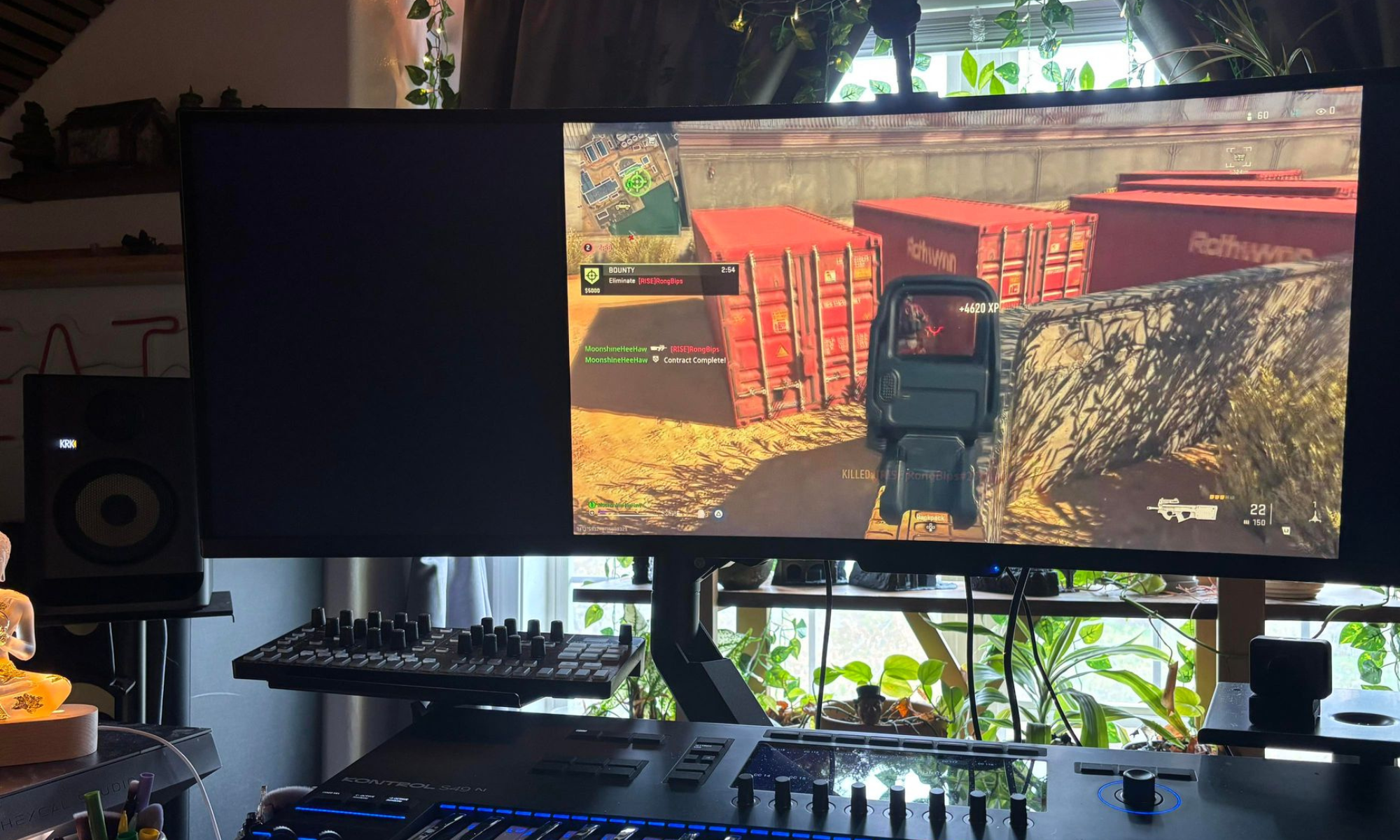
I know many PC gamers these days prefer to use headphones, but for those who want better sound and without the head discomfort headphones usually cause after long gaming sessions, the KRK ROKIT 5s are a fantastic option, if for no other reason than because of the bi-amplified class D power amplifiers.
These help add clarity to the upper limits of the frequency range and, more importantly, to the transients of the sound. This ensures that the Foley sounds of a character walking through the game’s world or the transient-heavy noises (like gunfire in Call of Duty) feel lifelike and massive.
More so, these monitors provide even power distribution, which reduces temperature fluctuations in the internal structures. This means you get a predictable sound over long gaming sessions, even when you crank the volume up and drive these things hard for extended periods.
Comparing Alternatives In 2026 That We’ve Tested
| Monitor | Best for | Why someone might choose it over the KRK ROKIT 5 G5 | Why the ROKIT 5 G5 may still make sense |
|---|
| IK Multimedia iLoud MTM MKII | Small studios where room correction matters | ARC calibration, compact MTM design, and X-MONITOR software make it a smarter pick for untreated rooms | The ROKIT 5 G5 is cheaper and simpler for first-time monitor buyers |
| IK Multimedia iLoud Precision 5 | Producers who want a higher-end 5-inch monitor | Higher-end IK option with a fuller studio feature set and a step-up feel from compact monitors | The ROKIT 5 G5 makes sense if budget matters and the reader does not need the higher IK price tier |
| ADAM Audio D3V | Desktop setups, travel rigs, small desks | Smaller footprint, portable use case, and ADAM’s compact monitor format make it easier to fit into tight spaces | The ROKIT 5 G5 is the safer pick for readers who want a traditional nearfield monitor format |
| AIAIAI UNIT-4 | Wireless setups, mobile production, cable-light studios | Wireless audio, battery-powered use, and portable design make it better for flexible setups | The ROKIT 5 G5 is better for readers who want a fixed studio pair and do not need wireless playback |
| KRK Kreate 3 | Space-saving desks and casual production setups | Smaller KRK option for users who need a compact speaker footprint | The ROKIT 5 G5 is the better step up for producers who want a more serious mixing monitor |
| KRK GOAUX 4 | Portable writing rigs and travel production | Comes as a portable monitor system with travel-friendly features | The ROKIT 5 G5 is better for a permanent studio desk |
| HEDD TYPE 07 A-CORE | Higher-end studio upgrades | A clear upgrade path for readers who want a larger, more detailed monitor after outgrowing entry-level gear | The ROKIT 5 G5 remains the practical pick for a smaller budget and a first studio pair |
| Scott Storch Classic 8ss | Hip-hop production, larger rooms, KRK fans who want an 8-inch format | Larger monitor with a producer-branded KRK angle and a louder, bigger-room use case | The ROKIT 5 G5 is more realistic for small rooms, apartment studios, and desk setups |
| Fluid Audio Image 2 | Readers comparing older studio monitor options | Useful as a legacy Magnetic review for readers researching alternate monitor designs | The ROKIT 5 G5 is newer and easier to position as the 2026 buyer pick |
Final Thoughts
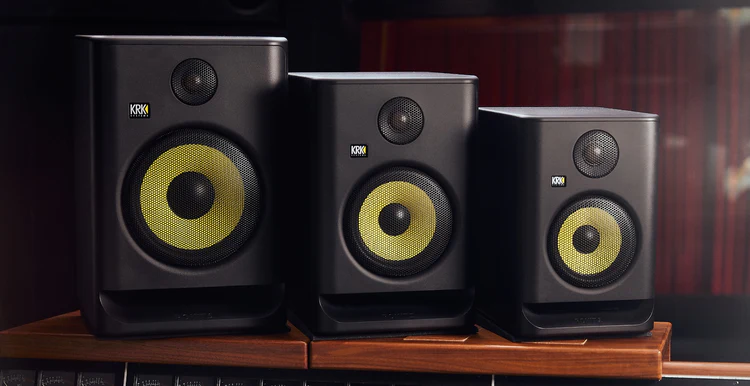
The ROKIT 5 Generation Five studio monitors offer a remarkable blend of style, performance, and value, especially for newcomers to music production or those aiming to enhance their home studio affordably. The sleek design improves the visuals of these monitors, fitting seamlessly into any studio setup, and establishes them as essential tools for aspiring musicians and producers. The affordability aspect is crucial, as these monitors deliver high-quality sound that surpasses their price tag.
The three voicing modes – Create, Focus, and Mix – provide extra versatility beyond essential sound reproduction. Each mode customizes the sound output to suit different production stages, from initial creativity to final mixdown, enabling users to achieve optimal sound for their projects.
However, the absence of features in the companion app to switch between these modes more seamlessly feels like a missed opportunity. Switching voicing modes without physically accessing the back of each monitor would have been a convenient addition, enhancing user experience and promoting more frequent utilization of this thoughtful feature.
The combination of sound quality, affordability, and versatility positions the ROKIT 5 Generation Five as a top choice for those who value performance and value. This ensures that these monitors are not just studio equipment, but an integral part of the creative process.
Learn More About These Monitors While Supporting Our Team of Writers Through Our Affiliate Partnership With Sweetwater Here

Will Vance is a professional music producer who has been involved in the industry for the better part of a decade and has been the managing editor at Magnetic Magazine since mid-2022. In that time period, he has published thousands of articles on music production, industry think pieces and educational articles about the music industry. Over the last decade as a professional music producer, Will Vance has also ran multiple successful and highly respected record labels in the industry, including Where The Heart Is Records as well as having launched a new label with a focus on community through Magnetic Magazine. When not running these labels or producing his own music, Vance is likely writing for other top industry sites like Waves or the Hyperbits Masterclass or working on his upcoming book on mindfulness in music production. On the rare chance he's not thinking about music production, he's probably running a game of Dungeons and Dragons with his friends which he has been the dungeon master for for many years.