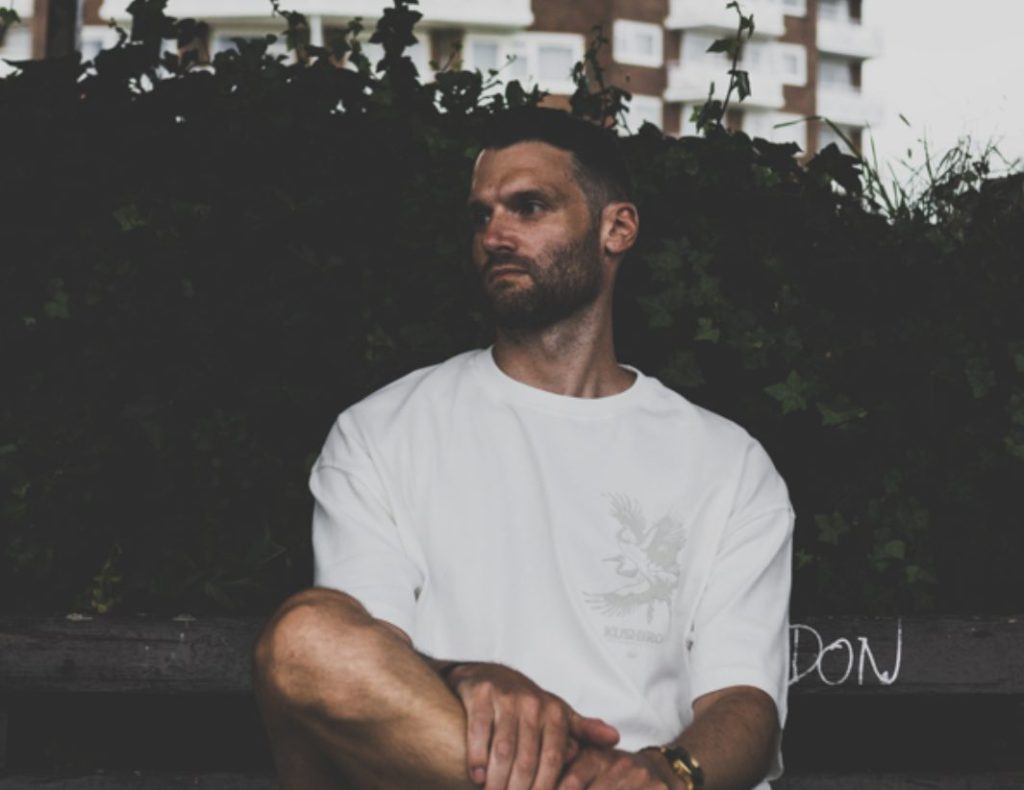
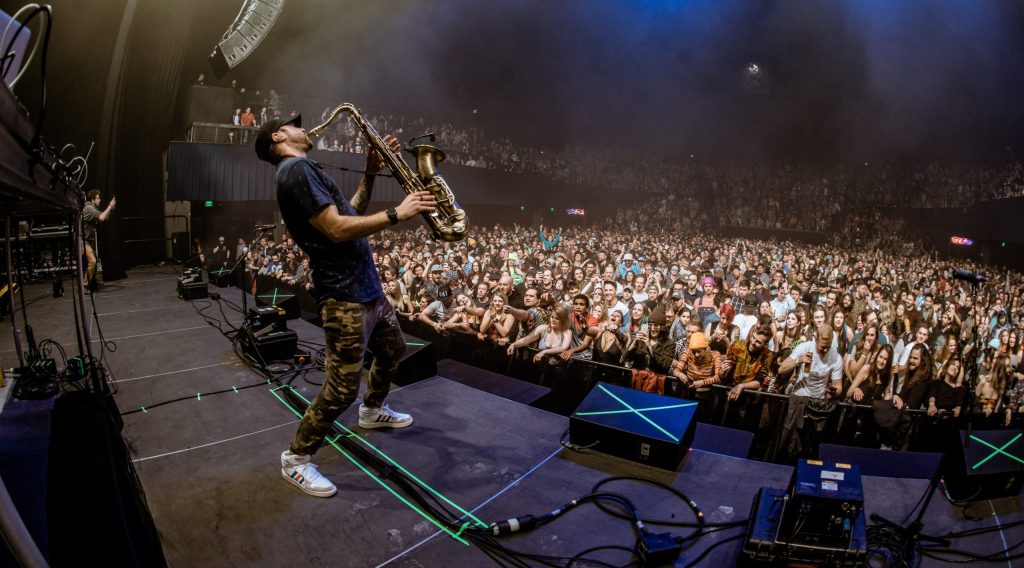
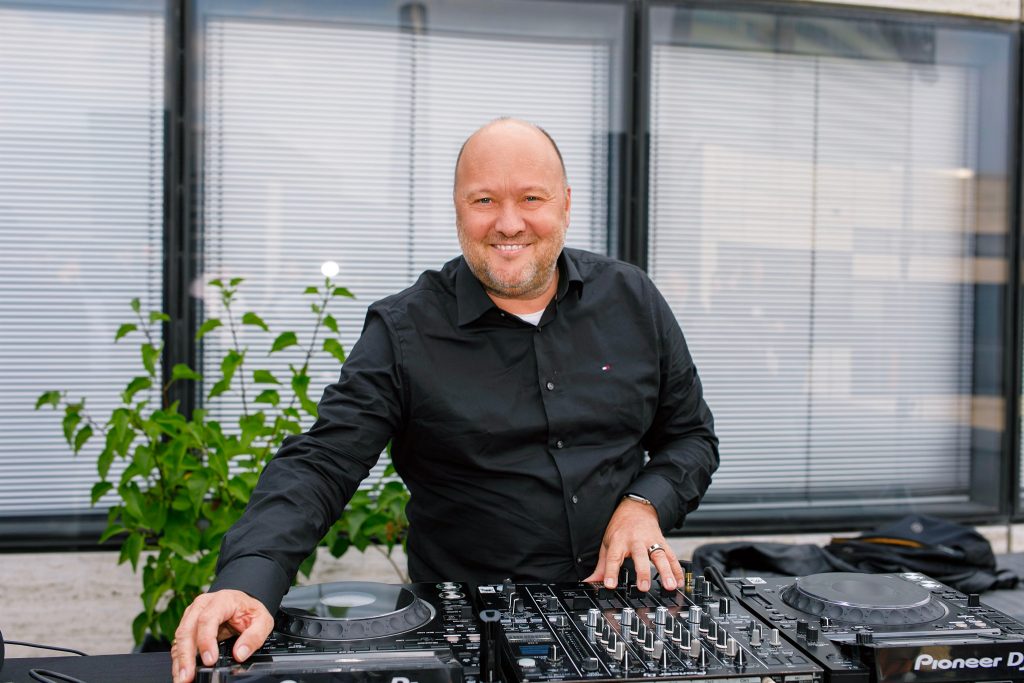
Mixed music became popular in the digital age, when genre boundaries were less clear. Streaming platforms and the internet allow people to explore different styles easily, indicating a shift towards a more global music scene. Gilles Peterson says mixing genres creates new sounds and communities.
Today, mixed music is not just a genre but a movement. Studio Monkey Shoulder, supported by Monkey Shoulder Whisky and Gilles Peterson, celebrates mixed music and its communities. The initiative will give $60,000 to music cities worldwide, including Miami’s South Beach community.
Mixed music’s future looks bright. With projects like Studio Monkey Shoulder, it will keep growing and influencing global music. The initiative offers financial support, exposure, mentoring, and broadcasting opportunities. Mixed music will shape future music trends and connect global music communities.
What defines mixed music in today’s music industry?
If you look at a straight dictionary definition of mixed music, it is described as music combining acoustic and electronic instruments. It generally refers to contemporary classical music repertoire but could apply to many genres.
Based on my relationship to music over the years, blending genres leads to new and interesting sounds. But for this to happen, the process needs places and spaces.
One of my mantras has always been “joining the dots”, by which I mean connecting types of music that don’t, on the surface, go together. This ‘joining of the dots’ also sits at the heart of Studio Monkey Shoulder, so I’m excited to be a part of this initiative. Studio Monkey Shoulder will help support and celebrate grassroots trailblazers who are pioneering new sounds and forging new musical connections in their cities.
Why has mixed music gained significant traction in recent years?
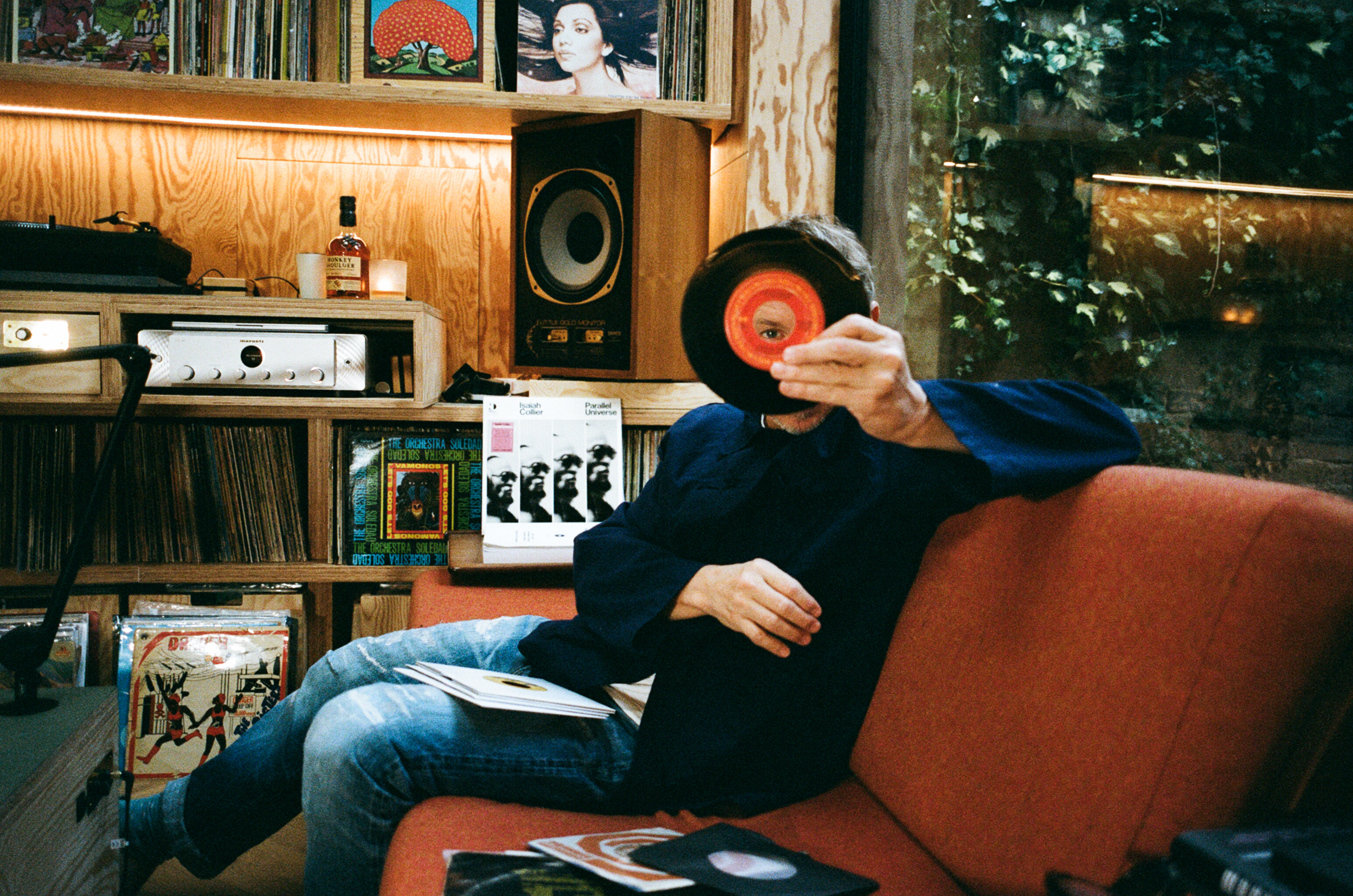
Suppose you accept the definition of mixed music as combining different genres into new musical forms. In that case, the most likely driver is the extent to which the internet and streaming have blurred genre boundaries, creating a much more fluid sense of what music can be and opening listeners’ ears. But on another level. almost all the key musical innovations past, present and future come from mixing music to create something else – jazz, rock and roll, soul, reggae, house music and more are all the product of different elements combining into something new.
These blends are often associated with a city, a place, or a community. With Studio Monkey Shoulder, we want to support the places where musical innovation is happening and those pushing the culture forward.
I’ve done this throughout my career by helping people discover these new sounds and supporting artists or communities that are leading the way, and I’m looking forward to seeing what we can discover with Studio Monkey Shoulder.
What future trends do you anticipate in the evolution of mixed music? Where do you think mixed music fits in the context of global music trends?
The current music ecosystem offers an extensive range of musical influences, which I think will continue to encourage musicians to explore genre fluidity in their quest to define their musical identity.
The main question will be whether listeners embrace and adopt these sounds. And this part will also happen in the physical spaces and places where these experiments occur. While digital has made music easier to consume, the testing ground of the real world where artists and audiences meet is where it becomes really possible to see whether a particular mixture of music will resonate meaningfully. It also requires mediums like radio, press and blogs to talk about and venues, clubs and record shops to contextualize these sounds for a wider audience.
At the same time, it has become harder for these places to sustain themselves, so Studio Monkey Shoulder is playing an important role in supporting this evolution by helping fund and amplify it.
Why do you believe mixed music will continue to evolve, and what drives its evolution?
As I said before, the evolution of any musical development results from artists wanting to push boundaries and coming into contact with the places, spaces, and voices that can help translate and connect those innovations to willing listeners.
I have seen this through my time in radio, as a DJ, festival curator, and label owner, and through the development of my own platform, Worldwide FM, designed precisely to create an online place for this discovery. I think remembering the importance of these spaces where communities can form and develop is vital – and that is something that we are trying to focus on with WWFM and our partnership with Studio Monkey Shoulder.
I am not saying this alone is enough, but we need to promote and support as many of these places as possible. The future of music depends on it!


Will Vance is a professional music producer who has been involved in the industry for the better part of a decade and has been the managing editor at Magnetic Magazine since mid-2022. In that time period, he has published thousands of articles on music production, industry think pieces and educational articles about the music industry. Over the last decade as a professional music producer, Will Vance has also ran multiple successful and highly respected record labels in the industry, including Where The Heart Is Records as well as having launched a new label with a focus on community through Magnetic Magazine. When not running these labels or producing his own music, Vance is likely writing for other top industry sites like Waves or the Hyperbits Masterclass or working on his upcoming book on mindfulness in music production. On the rare chance he's not thinking about music production, he's probably running a game of Dungeons and Dragons with his friends which he has been the dungeon master for for many years.